CM Dhami Backs 'Sheetalakhet Model' to Fight Uttarakhand Forest Fires
Synopsis
Chief Minister Pushkar Singh Dhami has committed to scaling the community-driven 'Sheetalakhet Model' from Almora district to protect Uttarakhand's forests from recurring seasonal wildfires, invoking jan bhagidari as the cornerstone of the state's fire-prevention strategy.
Key Takeaways
CM Pushkar Singh Dhami has publicly backed the 'Sheetalakhet Model' as the framework for community-led forest-fire prevention in Uttarakhand.
The model originates in Sheetalakhet village, Almora district , where local communities organise ground-level fire vigilance.
Almora is one of Uttarakhand's most fire-prone districts due to dense chir pine cover and dry summer conditions.
Uttarakhand's Van Panchayat system, formalised after statehood in 2000 , provides the institutional base for such community-driven approaches.
The state's strategy aligns with national disaster-risk-reduction guidelines for ecologically sensitive Himalayan zones.
Expansion of the model to other Almora blocks and neighbouring districts ahead of the 2027 fire season is the key next step to watch.
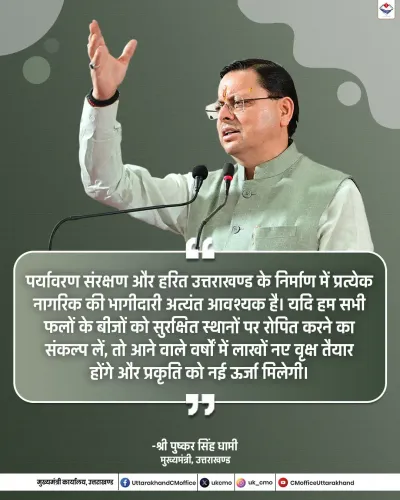
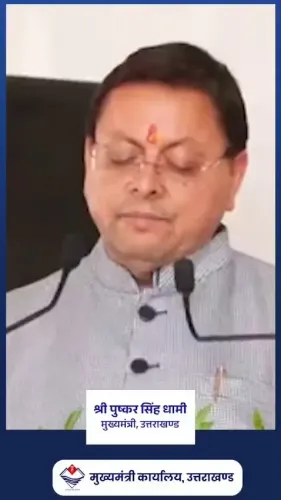
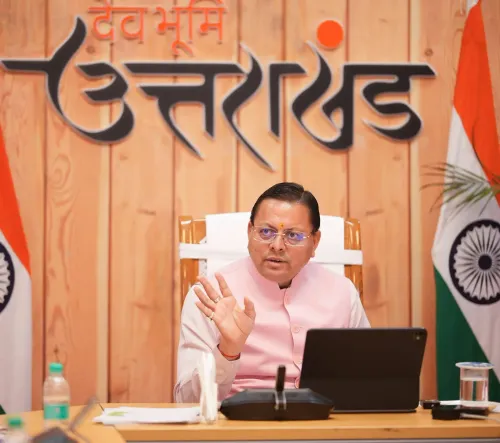
The Chief Minister's Office of Uttarakhand on Tuesday, 26 May 2026 shared Chief Minister Pushkar Singh Dhami's resolve to expand community participation — jan bhagidari — in protecting the state's forests from wildfire, spotlighting the 'Sheetalakhet Model' as the template for this effort.
Context
The post, tagged to Almora and Uttarakhand, carries CM Dhami's pledge: 'Increase public participation through the Sheetalakhet Model and protect Uttarakhand's forests from forest fires.' The statement arrives during the state's peak summer fire season, when dry conditions, low humidity, and accumulated pine needles combine to make Himalayan forests acutely vulnerable to runaway blazes.
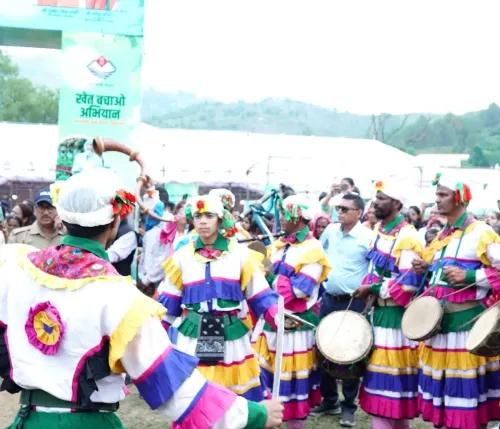
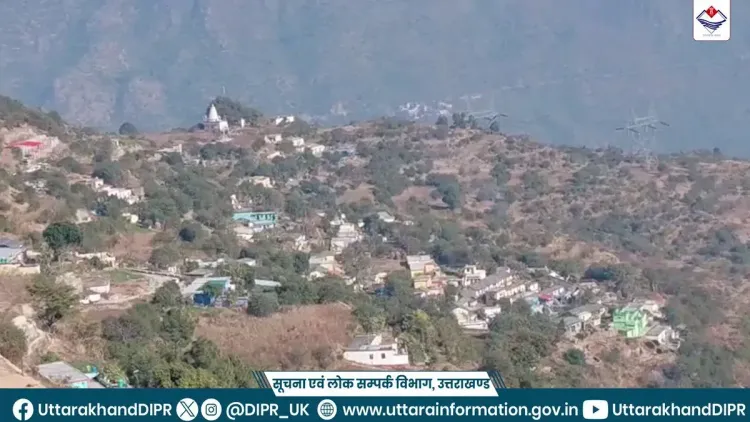
Almora, a Kumaon district with extensive chir pine cover, has historically been among the districts most affected by seasonal wildfires. The Sheetalakhet Model takes its name from a village in Almora district where local communities have organised to prevent and contain fires through ground-level vigilance and coordinated action.
Policy Backdrop
Uttarakhand's approach to forest-fire management has evolved significantly since statehood in 2000. The state formalised its Van Panchayat system — village-level forest councils — to give local communities a direct stake in managing nearby forests, including fire prevention. This bottom-up architecture laid the institutional foundation for models like Sheetalakhet.
Successive state governments have progressively moved away from reactive, top-down firefighting toward community-driven prevention, in line with national disaster-risk-reduction guidelines for ecologically fragile Himalayan zones. Factors driving annual fires include dry weather, pine-needle accumulation on the forest floor, and human activity — all of which are best addressed through sustained local presence rather than periodic official response.
Stakeholders and Impact
The primary stakeholders in this model are village communities living on the forest fringe and state forest department personnel who coordinate with them. For villagers, forest fires represent a direct threat to livelihoods, water sources, fodder, and non-timber forest produce. For the broader state, unchecked fires damage biodiversity, accelerate soil erosion, and degrade the Himalayan ecosystem that underpins tourism and agriculture.
By anchoring fire prevention in community responsibility, the Sheetalakhet approach aims to create year-round vigilance that no centralised agency can fully replicate across Uttarakhand's vast and difficult terrain. If scaled successfully, it could reduce both the frequency and severity of fire incidents across Kumaon and Garhwal divisions.
What's Next
The immediate question is whether the Sheetalakhet Model will be formally extended to other blocks within Almora district and to neighbouring districts before the 2027 fire season. Any such expansion would typically require forest department notifications, dedicated budget provisions, and training support for village-level fire-watch volunteers.
With CM Dhami publicly backing the model, the political signal to the state bureaucracy is clear. Observers will watch for follow-up action in the form of government orders, scheme guidelines, or allocations in the next state budget that translate this stated resolve into operational infrastructure on the ground.
Point of View
Locally rooted model lends credibility and creates a replicable brand that can be scaled across Kumaon and Garhwal. This fits a broader national pattern of devolving ecological stewardship to village-level institutions, consistent with the spirit of the Van Panchayat framework. The real test will be whether this resolve translates into budget lines and government orders before the next fire season.
NationPress
10 Oct 2026
Frequently Asked Questions
What is the Sheetalakhet Model for forest fires in Uttarakhand?
The Sheetalakhet Model is a community-based forest-fire prevention approach originating in Sheetalakhet village in Almora district, where local residents organise to monitor and contain fires through coordinated ground-level action rather than relying solely on state agencies.
Why is Almora district so prone to forest fires?
Almora has extensive chir pine forests whose dry needles accumulate on the forest floor and ignite easily during summer. Low humidity, warm temperatures, and human activity in and around forests make the district one of Uttarakhand's most fire-vulnerable areas.
What is jan bhagidari in the context of Uttarakhand's forests?
Jan bhagidari means 'public participation' and refers to the active involvement of village communities in protecting forests — including fire prevention — rather than leaving such responsibilities entirely to the state forest department.
What is the Van Panchayat system in Uttarakhand?
Van Panchayats are village-level forest councils formalised after Uttarakhand's statehood in 2000. They give local communities legal authority and responsibility over nearby forests, including prevention of fires and other forms of degradation.
What did CM Pushkar Singh Dhami say about forest fires?
CM Dhami pledged to increase community participation — jan bhagidari — through the Sheetalakhet Model to protect Uttarakhand's forests from forest fires, as shared by the Chief Minister's Office on 26 May 2026.