CM Dhami Clears ₹122.69 Cr Dam on Ramganga for Gairsain Water
Synopsis
The Uttarakhand government has sanctioned a ₹122.69 crore dam on the Ramganga River to provide drinking water to Gairsain and surrounding areas in Chamoli district, releasing ₹2.454 crore as a first tranche from the State Contingency Fund, with further funding to follow under the Centre's SASCI scheme for 2026-27.
Key Takeaways
Total project cost sanctioned: ₹122.6891 crore for a dam on the Ramganga River in Chamoli district .
First instalment of ₹2.454 crore (approx.
2% of total) released from the State Contingency Fund as token money to begin work.
Subsequent funding will come from the Centre's SASCI (Scheme for Special Assistance to States for Capital Investment) for 2026-27 ; all 2026-27 funds must be used by 31 March 2027 .
Structural designs must be verified by a recognised institution; the Irrigation Department must prepare an SOP for dam operations before construction starts.
Regional Chief Engineer inspection, soil testing, and geological suitability reports are mandatory pre-construction requirements.
Downstream villages are guaranteed uninterrupted water supply throughout construction and after project completion.
A major drinking-water gap in the Himalayan town of Gairsain is set to be addressed: the Uttarakhand government has granted administrative and financial approval for a dam on the Ramganga River at a total project cost of ₹122.6891 crore, with a first instalment of ₹2.454 crore released immediately from the State Contingency Fund to kick-start construction. The announcement was made by the Chief Minister's Office of Uttarakhand on Tuesday, 27 October 2026.
Gairsain's long-standing water gap meets a ₹122.69 crore answer
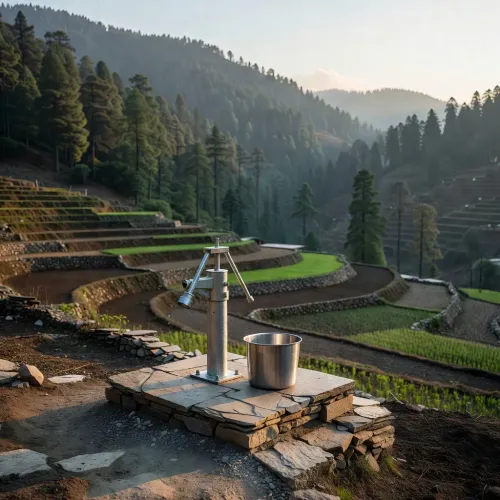
Gairsain, located in Chamoli district, holds symbolic weight in Uttarakhand politics — it has been designated a summer capital of the state. Yet its residents and surrounding settlements have faced persistent drinking-water shortages, a challenge common across Uttarakhand's mountainous terrain where gravity-fed systems age quickly and population pressure grows steadily. The Ramganga dam project is designed specifically to meet the current and projected drinking-water needs of Gairsain town and its adjacent population.
Chief Minister Pushkar Singh Dhami framed the approval as part of a wider commitment: 'parvatiiya kshetron mein aavashyak buniyaadi suvidhaon ka vikas yojnaabaddh, paardharshi evam gunavattapoorn dhang se ho' — that essential infrastructure in mountain areas must be developed in a planned, transparent, and quality-focused manner so that the benefits of development reach ordinary people.
How the funding architecture works
The first instalment of ₹2.454 crore — roughly 2 percent of the sanctioned project cost — is being drawn as an advance from the State Contingency Fund and functions as token money to begin groundwork. This is not a one-off state outlay. The government's order specifies that the initial expenditure will be adjusted against funds expected from the Central government under the Scheme for Special Assistance to States for Capital Investment (SASCI) for 2026-27. All future tranches will also flow through SASCI, making the project a state-Centre co-financed capital investment rather than a standalone state budget line.
A firm deadline is built in: all funds released during financial year 2026-27 must be utilised by 31 March 2027.
Technical guardrails before a single shovel breaks ground
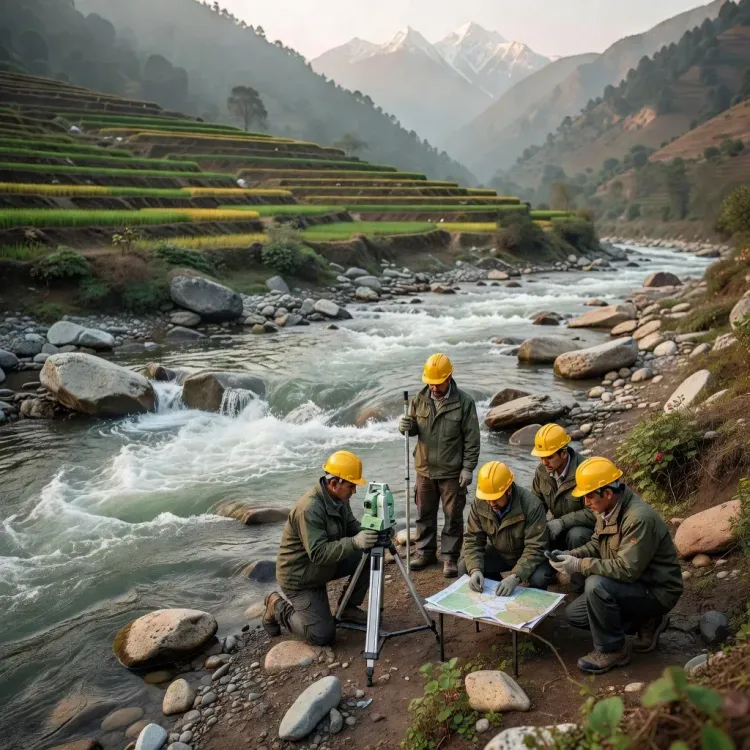
The government order is notable for the rigour it prescribes before construction begins. Structural designs and drawings for the dam and barrage must be reviewed and certified by a recognised institution before being finalised. The Irrigation Department has been directed to prepare a Standard Operating Procedure (SOP) for dam operations. The regional Chief Engineer must inspect the construction site before any work commences, and soil testing along with a geological suitability report are mandatory.
Crucially, the order protects communities downstream: villages affected by the dam's construction must receive uninterrupted water supply both during and after the project's completion. Minimum water flow in the source must be maintained throughout the design period — a provision that reflects lessons learned from contentious dam projects elsewhere in the Himalayas.
Gairsain's infrastructure push in a larger mountain-development pattern
This project lands against a decade-long policy effort to close the infrastructure gap in Uttarakhand's highland districts. The Centre's Jal Jeevan Mission, launched in 2019, has pushed piped tap-water connections to rural households across hill states, but the last mile in terrain as steep as Chamoli's requires source-creation projects — dams, barrages, and storage reservoirs — not just pipelines. The Ramganga dam fits squarely into that source-creation logic.
By routing the funding through SASCI — a central scheme that provides low-cost or grant capital to states for infrastructure investment — Uttarakhand avoids drawing down its own limited budget, freeing state resources for other mountain districts facing similar gaps. The model mirrors how the state has structured other capital works in recent years: state contingency funds open the project, central scheme money consolidates it.
For Gairsain, the dam is more than a utility upgrade — it signals that a town with constitutional recognition as a legislative seat is finally getting the infrastructure its status demands.
Point of View
The Gairsain announcement also carries political resonance: investing in a town with summer-capital status signals intent to back its symbolic upgrade with hard infrastructure. The downstream protection clauses and mandatory third-party design verification are also worth noting — they reflect a post-Joshimath sensitivity to ecological risk in Himalayan construction that has moved from advocacy to government orders. Whether the SASCI disbursements arrive on schedule and whether the 31 March 2027 utilisation deadline is met will be the real test of the project's seriousness.
NationPress
27 Oct 2026
Frequently Asked Questions
What is the Gairsain Ramganga dam project in Uttarakhand?
It is a ₹122.6891 crore dam proposed on the Ramganga River in Chamoli district to provide drinking water to Gairsain town and its surrounding population, approved under a Chief Minister's announcement by the Uttarakhand government on 27 October 2026.
How much money has been released for the Gairsain water project?
₹2.454 crore has been released as the first instalment from the State Contingency Fund, representing approximately 2 percent of the total sanctioned cost, as token money to initiate the project.
What is SASCI and how is it funding the Gairsain dam?
SASCI stands for 'Scheme for Special Assistance to States for Capital Investment', a Central government scheme. The initial state expenditure will be adjusted against SASCI funds for 2026-27 once received, and all further tranches for the project will also come through this scheme.
What safeguards are in place for the Ramganga dam construction?
Structural designs must be certified by a recognised institution, the Irrigation Department must finalise an SOP, the regional Chief Engineer must inspect the site before work begins, and soil and geological tests are mandatory. Downstream villages are guaranteed continuous water supply throughout and after construction.
Why is Gairsain significant for Uttarakhand?
Gairsain, located in Chamoli district, holds the status of a summer legislative capital of Uttarakhand, making infrastructure investment there politically and administratively significant for the hill state's development agenda.