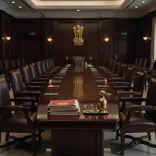
CM Dhami tables ₹7,844 cr supplementary budget at Gairsain
Synopsis
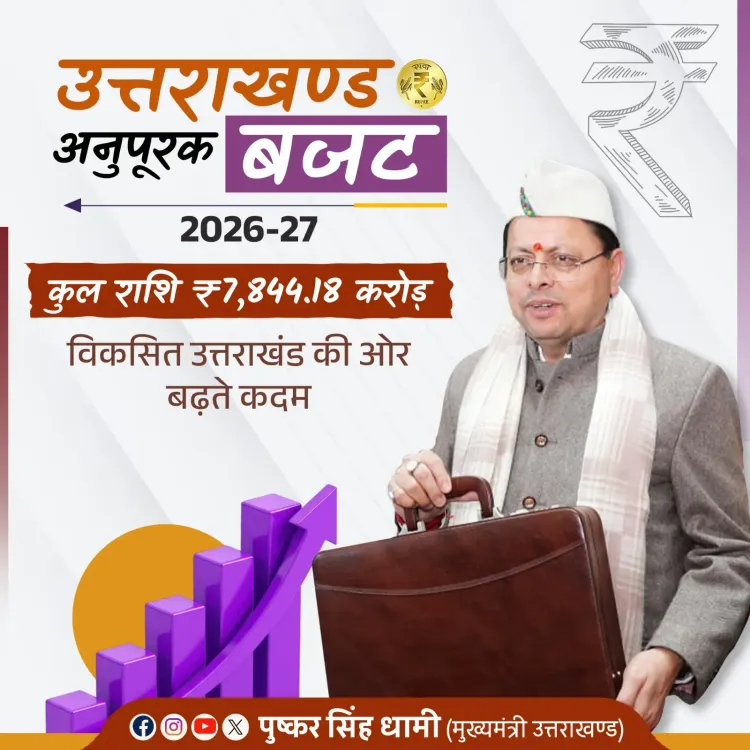
Uttarakhand Chief Minister Pushkar Singh Dhami tabled a ₹7,844.18 crore supplementary budget for FY 2026-27 at the Gairsain Legislative Assembly on 27 October, targeting education, health, employment, women's empowerment, and infrastructure expansion.
Key Takeaways
Chief Minister Pushkar Singh Dhami presented a supplementary budget of ₹7,844.18 crore for financial year 2026-27 .
The budget was tabled at the Gairsain Legislative Assembly , Uttarakhand's designated summer capital.
Priority sectors include education, health, employment, women's empowerment, and basic infrastructure .
The move continues the Dhami government's stated mission of building a 'self-reliant Uttarakhand' ( Aatmanirbhar Uttarakhand ).
Presenting the budget at Gairsain carries political significance, reaffirming the hill state's commitment to governance beyond the plains-adjacent winter capital, Dehradun.
The next major fiscal milestone will be the full budget presentation for FY 2027-28 .
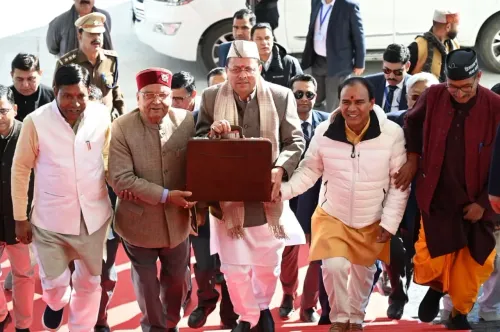
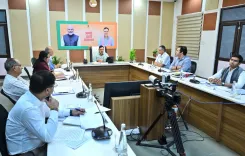
A mountain assembly hall at Uttarakhand's summer capital became the stage for a significant fiscal move on Tuesday, 27 October 2026, as Uttarakhand Chief Minister Pushkar Singh Dhami presented a supplementary budget of ₹7,844.18 crore for the financial year 2026-27 at the Gairsain Legislative Assembly.
What ₹7,844 crore is meant to do
Presenting the figures, CM Dhami framed the allocation as a catalyst rather than a routine top-up. 'Yeh budget vikas karyon ko gati dene aur janhitkari yojanaon ko prabhavi roop se aage badhane ki disha mein mahatvapurn kadam hai' — ('This budget is an important step toward accelerating development works and effectively advancing public welfare schemes'), he said, signalling that the supplementary outlay is designed to fill gaps and push forward programmes already under way.
The funds are directed at five stated priority pillars: education, health, employment, women's empowerment, and expansion of basic infrastructure. These are not new headlines for the Dhami administration — they mirror the core commitments the BJP government has anchored successive fiscal exercises around since taking office in 2021.
Gairsain's symbolic weight in Uttarakhand politics
Gairsain, nestled in the Chamoli district of the Garhwal hills, is more than a venue. Designated as Uttarakhand's summer capital, holding a budget session there carries deliberate political and emotional resonance — a signal to the hill districts that governance is not confined to the plains-adjacent winter capital, Dehradun. Uttarakhand was carved out of Uttar Pradesh in 2000 precisely on the argument that hill communities deserved closer, more responsive administration. Presenting a supplementary budget in Gairsain keeps that promise visible.
A pattern of supplementary outlays in hill-state governance
Uttarakhand governments have consistently used supplementary budgets to respond to mid-year development demands — from disaster-repair needs triggered by the state's fragile Himalayan terrain to social-sector shortfalls. The current administration has made 'self-reliant Uttarakhand' (Aatmanirbhar Uttarakhand) a recurring governing theme, and the supplementary exercise for FY 2026-27 extends that narrative into the second half of the fiscal year.
Dhami put the ambition plainly: the goal is to position Uttarakhand among India's leading states — a benchmark the government has used to measure progress in tourism, ease-of-doing-business rankings, and social indicators over recent years.
What comes next: eyes on the main FY 2027-28 budget
The immediate watch is whether the supplementary allocations translate into on-ground spending before the fiscal year closes. With assembly session at Gairsain providing the legislative mandate, departments now face the execution test. The larger political and economic signal will come when the full budget for FY 2027-28 is tabled — where the priorities flagged today are expected to scale up further.
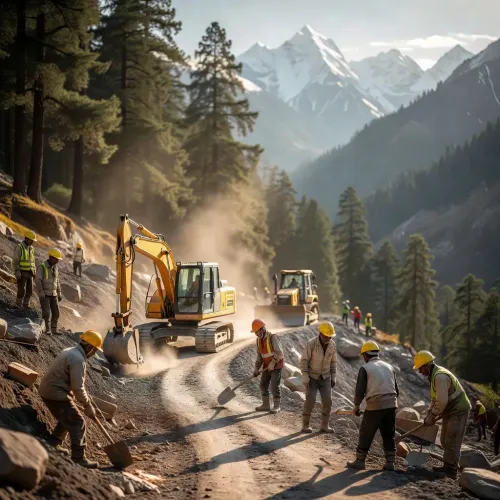
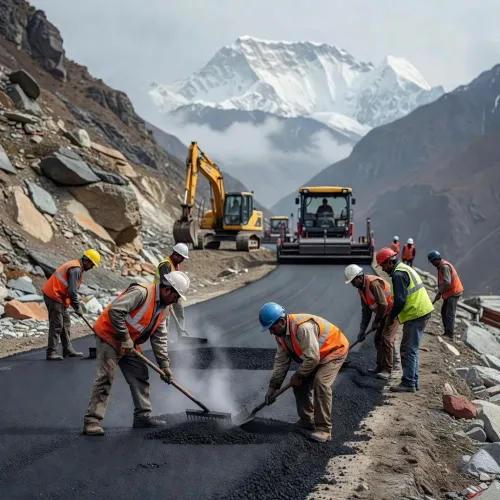
For a state where roads, schools, and hospitals in remote valleys remain works-in-progress, the numbers tabled at Gairsain are not just accounting — they are a promise with a deadline.
Point of View
Not rhetorical. The five-pillar framing (education, health, employment, women's empowerment, infrastructure) is now a durable template for the Dhami administration, suggesting a governing ideology built on incremental, welfare-anchored growth rather than any single flagship scheme. With state assembly elections on the horizon, a supplementary outlay of this scale also serves as a mid-term performance statement. The real test, as always in hill-state governance, is absorption capacity — whether funds allocated in Gairsain actually reach the last village before the fiscal year closes.
NationPress
27 Oct 2026
Frequently Asked Questions
What is the Uttarakhand supplementary budget for FY 2026-27?
Uttarakhand Chief Minister Pushkar Singh Dhami presented a supplementary budget of ₹7,844.18 crore for the financial year 2026-27 at the Gairsain Legislative Assembly on 27 October 2026, aimed at accelerating development and welfare schemes.
Why is the Uttarakhand budget session held at Gairsain?
Gairsain is Uttarakhand's designated summer capital, located in the Chamoli district of the Garhwal hills. Holding assembly sessions there is a symbolic and political gesture to affirm governance for hill communities, distinct from the winter capital Dehradun.
What are the priority areas in CM Dhami's supplementary budget?
The supplementary budget targets five sectors: education, health, employment, women's empowerment, and expansion of basic infrastructure across Uttarakhand.
What is 'Aatmanirbhar Uttarakhand'?
'Aatmanirbhar Uttarakhand' means 'self-reliant Uttarakhand' and is a governing theme of the Dhami administration, emphasising reducing state dependency and boosting internal economic capacity through welfare and infrastructure investment.
When was Uttarakhand formed and who is its current Chief Minister?
Uttarakhand was formed on 9 November 2000 after being carved out of Uttar Pradesh. Its current Chief Minister is Pushkar Singh Dhami of the BJP, who assumed office in 2021.