How Did Vadodara Develop Spent Fuel Transportation Containers After 3 Years of Intensive Research?
Synopsis
In an impressive feat, a Vadodara-based MSME has developed crucial equipment for nuclear power plants after three years of dedicated research. This achievement not only enhances India's nuclear manufacturing capabilities but also aligns with the nation's self-reliance initiatives.
Key Takeaways
Vadodara MSME develops key nuclear components.
Indigenous production reduces reliance on imports.
Supports Make in India and Aatmanirbhar Bharat initiatives.
Manufacturing of three crucial components under one roof.
Strengthens India's nuclear supply chain.
Vadodara, Jan 6 (NationPress) In a significant advancement for India's domestic nuclear manufacturing sector, a micro, small, and medium enterprise (MSME) in Vadodara has successfully created vital equipment for nuclear power plants following three years of rigorous research and development.
The newly developed equipment, which ensures the safe handling, transport, and storage of spent nuclear fuel rods, is now produced locally, representing a pivotal achievement for India's nuclear energy landscape.
This progress resonates with the initiatives of 'Make in India' and 'Aatmanirbhar Bharat', as promoted by Prime Minister Narendra Modi, since these specialized systems were previously imported from other countries.
Local manufacturing now allows India to lessen its reliance on foreign suppliers for essential nuclear infrastructure.
Remarkably, this Vadodara MSME has become the world's inaugural site where three key nuclear components are manufactured in one facility: the fuel transfer machine, the fuel transportation container, and the fuel storage rack.
This comprehensive manufacturing capability is heralded as a global first within the nuclear manufacturing ecosystem.
In nuclear power generation, electricity is produced by spinning turbines with steam from highly heated water, generated through nuclear fission, primarily using Uranium-235 fuel rods.
Over time, these fuel rods diminish in efficiency and require replacement.
There are two principal types of nuclear reactors: Pressurised Heavy Water Reactors and Light Water Reactors, each utilizing distinct fuel rod configurations and operational lifecycles.
Once their operational lifespan is complete, spent fuel rods still emit excessive heat and radiation, making their management a paramount safety concern.
After removal from the reactor core, spent fuel rods are stored in deep water-filled fuel ponds located on the plant premises, often reaching lengths of up to 42 metres.
These ponds facilitate a gradual reduction in radiation and heat levels over a span of six to seven years before the fuel is relocated for further storage or processing.
Due to the hazardous nature of spent fuel—often depicted in popular media such as the web series Chernobyl—its safe transportation and storage necessitate highly specialized, automated systems with multiple layers of safety.
Previously, India depended on imported fuel transfer machines, transportation containers, and storage racks.
In response to a requirement from the Nuclear Power Corporation of India Limited, the Vadodara MSME accepted the challenge of developing these systems locally.
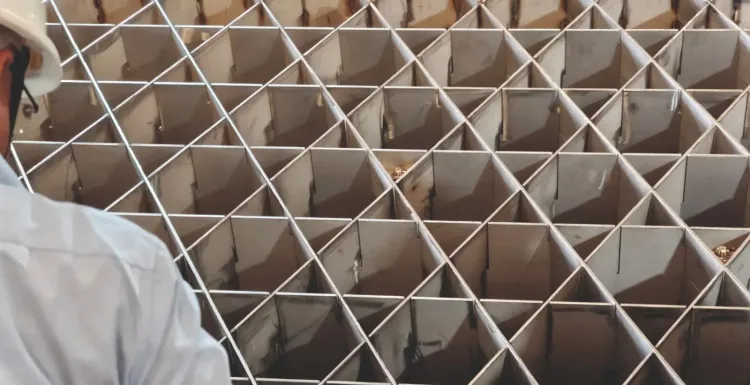
As part of this initiative, the enterprise has already manufactured Spent Fuel Storage Racks using borated stainless steel, a material adept at absorbing neutron emissions and mitigating criticality risks.
These storage racks have successfully passed multi-stage tests by various Central government agencies and are scheduled for dispatch to the Kudankulam Nuclear Power Plant in Tamil Nadu.
The remaining components, including fuel transfer machines, are anticipated to be finalized and delivered shortly.
The successful domestic development of these high-precision nuclear components is seen as a source of pride for Vadodara's industrial landscape and India's MSME sector.
This demonstrates the growing capability of Indian businesses to meet international standards in one of the most sensitive and technologically advanced industries worldwide.
Transforming three years of dedicated research into a strategic national asset, the MSME has not only fortified India's nuclear supply chain but also bolstered the overarching movement toward self-reliance in critical technologies.
Point of View
The development of indigenous nuclear components in Vadodara signifies a pivotal moment for India's industrial ecosystem. It reflects the nation's commitment to self-sufficiency and positions India as a player in the global nuclear manufacturing arena. This achievement is not just a local success; it is a testament to India's potential in high-tech industries.
NationPress
3 Oct 2026
Frequently Asked Questions
What is the significance of the Vadodara MSME's development?
The Vadodara MSME's development of spent fuel transportation containers marks a significant step in enhancing India's indigenous nuclear manufacturing capabilities, reducing reliance on foreign imports, and aligning with the government's self-reliance initiatives.
What materials are used in the newly developed storage racks?
The newly developed Spent Fuel Storage Racks are made from borated stainless steel, which is effective in absorbing neutron emissions and preventing criticality risks.
Where will the newly manufactured equipment be deployed?
The newly manufactured Spent Fuel Storage Racks are scheduled to be dispatched to the Kudankulam Nuclear Power Plant in Tamil Nadu.
How long do spent fuel rods need to be stored before further processing?
Spent fuel rods are typically stored in water-filled ponds for six to seven years, allowing radiation and heat levels to decrease before they are moved for further processing.
How does this development contribute to India's nuclear energy sector?
This development enhances India's nuclear energy sector by establishing local manufacturing capabilities for critical components, thereby strengthening the nuclear supply chain.