Vaishnaw: 2 Rail Multi-Tracking Projects Dedicated to Nation in Odisha
Synopsis
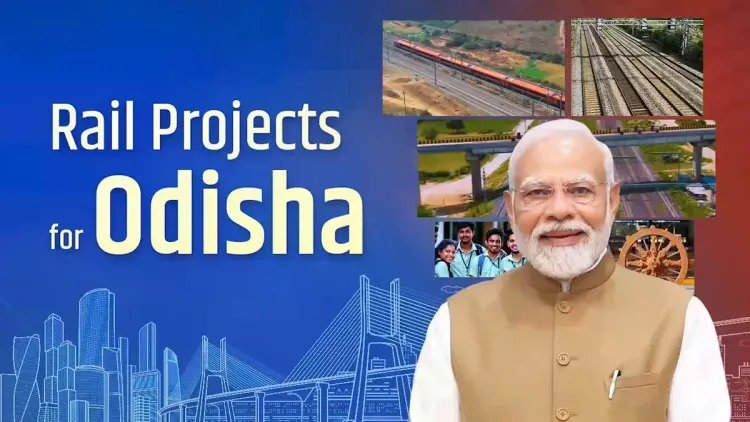
Union Minister Ashwini Vaishnaw announced that President Droupadi Murmu, in the presence of PM Narendra Modi, dedicated two multi-tracking railway projects in Odisha to the nation on 20 June 2026, advancing the Centre's Purvodaya eastern development agenda.
Key Takeaways
Two multi-tracking railway projects in Odisha were dedicated to the nation on 20 June 2026 .
The dedication was performed by President Droupadi Murmu in the presence of PM Narendra Modi .
Union Minister Ashwini Vaishnaw framed the event as central to the Purvodaya eastern India development push.
Multi-tracking upgrades are designed to decongest heavily used corridors carrying coal, iron ore, and passengers in eastern India.
Odisha's mining and steel industries are among the primary beneficiaries of expanded rail line capacity.
Further multi-tracking sanctioned sections and upcoming railway budget allocations for eastern corridors remain key milestones to watch.
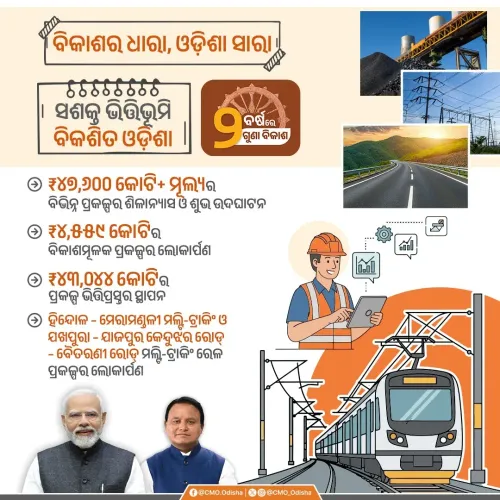
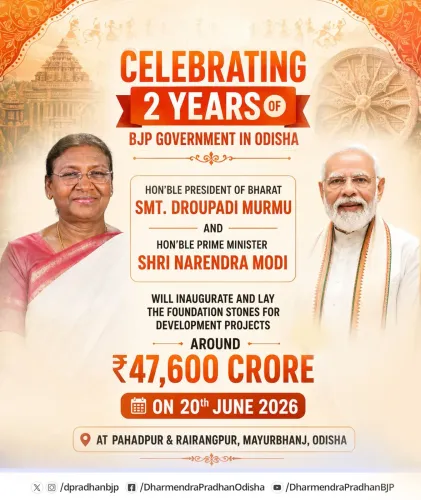
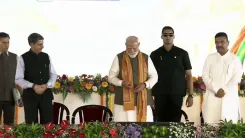
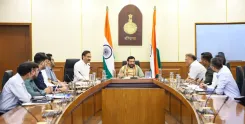
Union Minister Ashwini Vaishnaw announced on Saturday, 20 June 2026 that two multi-tracking railway projects in Odisha were dedicated to the nation by President Droupadi Murmu in the presence of Prime Minister Narendra Modi, marking a significant push for eastern India's rail infrastructure.
Context
Vaishnaw shared the development on X, writing: 'पूर्वी भारत के विकास से राष्ट्र का विकास' ('Development of eastern India means development of the nation'), underscoring the government's framing of eastern connectivity as a national priority. The dedication ceremony in Odisha saw the country's top constitutional and executive leadership come together to commission the two multi-tracking rail works, a combination that signals the political weight assigned to the event.
Policy Backdrop
The projects fit squarely within the Purvodaya framework — the Centre's broad push to accelerate socio-economic development across eastern states including Odisha, Jharkhand, West Bengal, and Bihar. Railway Budget allocations from 2023-24 onwards sanctioned multiple multi-tracking works in Odisha, aimed at decongesting heavily loaded corridors that carry coal, iron ore, and passenger traffic. Indian Railways has treated line-capacity expansion in the east as a strategic lever, given the region's role as the country's mineral heartland.
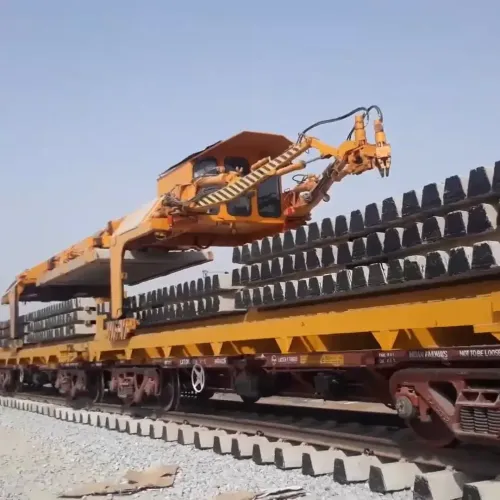
Multi-tracking — the addition of a second, third, or fourth line alongside an existing track — directly raises throughput on saturated routes, cuts freight transit times, and improves punctuality for passenger services. Eastern corridors have historically operated near or above capacity, making such upgrades critical to the broader logistics efficiency agenda.
Stakeholders and Impact
Odisha commuters stand to benefit from reduced congestion and more reliable train schedules once the upgraded sections are operationalised. Freight operators — particularly those moving coal from mines in the state's interior to ports and power plants — gain additional line capacity that can lower dwell times and logistics costs. The state's industrial base, anchored in steel and mining, depends heavily on rail for raw-material movement, making capacity additions economically consequential beyond the railway sector itself.
President Murmu, who is originally from Odisha and is India's first tribal President, has frequently participated in infrastructure dedications in her home state, lending symbolic resonance to such events. Her presence alongside PM Modi at this ceremony reinforces the Centre's message that eastern India is not a peripheral concern but a core driver of national growth.
What's Next
Attention will now turn to the rollout timelines for remaining sanctioned multi-tracking sections in Odisha and neighbouring eastern states. The next railway budget cycle will be watched closely for fresh allocations to eastern corridors, particularly as freight demand from the region's mining and steel industries continues to grow. Vaishnaw's post signals that high-profile dedications of this kind are likely to continue as the government seeks to demonstrate tangible delivery on its eastern development commitments.
Point of View
Road, and industrial investments under a single political narrative, making each project dedication a data point in a larger electoral and developmental story. Odisha, which has seen shifting political alignments at the state level, is a state the Centre has strong incentives to court with visible infrastructure wins. Vaishnaw's post, brief as it is, efficiently amplifies that narrative to a national audience.
NationPress
20 Jun 2026
Frequently Asked Questions
What are the two multi-tracking rail projects dedicated in Odisha?
The exact names and route details of the two projects have not been officially disclosed in the announcement. They are described as multi-tracking railway projects in Odisha dedicated to the nation on 20 June 2026 by President Droupadi Murmu in the presence of PM Narendra Modi.
What is multi-tracking in Indian Railways?
Multi-tracking refers to the addition of extra rail lines — a second, third, or fourth track — alongside an existing route. It increases line capacity, reduces congestion, cuts freight transit times, and improves punctuality for passenger trains.
What is the Purvodaya scheme for eastern India?
Purvodaya is the central government's framework to accelerate economic and infrastructure development across eastern states including Odisha, Jharkhand, West Bengal, and Bihar, with railway expansion as a key component.
Why is Odisha important for Indian Railways freight?
Odisha is a major mineral-producing state, with large coal and iron ore reserves. Railways are the primary mode for moving these resources to ports, power plants, and steel plants, making capacity expansion on Odisha routes economically critical.
Who is Ashwini Vaishnaw and what ministry does he head?
Ashwini Vaishnaw is a senior BJP leader and Union Minister holding the portfolios of Railways, Information and Broadcasting, and Electronics and Information Technology in the Government of India.