Vaishnaw Visits Sanand, Hails Electronics & Semiconductor Rise
Synopsis
Union Minister Ashwini Vaishnaw visited Sanand, Gujarat on 4 July 2026, stating that electronics and semiconductors are forging a new identity for India — underlining the government's push to build domestic chip and electronics manufacturing capacity under the India Semiconductor Mission.
Key Takeaways
Union Minister Ashwini Vaishnaw visited Sanand, Gujarat on 4 July 2026 , marking a ministerial-level review of the region's electronics and semiconductor growth.
Vaishnaw stated that electronics and semiconductors are building a 'new identity' for India, signalling strong political backing for the sector.
The India Semiconductor Mission , launched in 2021 , underpins the government's push to develop domestic chip design, packaging, and fabrication capacity.
Sanand has emerged as a key destination for electronics and semiconductor-adjacent investment in Gujarat , supported by PLI schemes.
Key milestones to watch include commissioning timelines for approved semiconductor units and the disbursement of Mission incentives.
The broader goal is to integrate India into diversifying global supply chains and reduce dependence on electronic component imports.
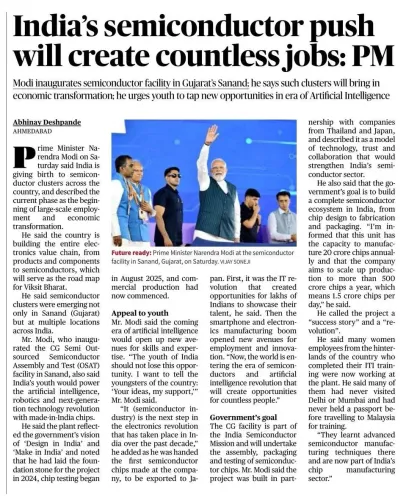
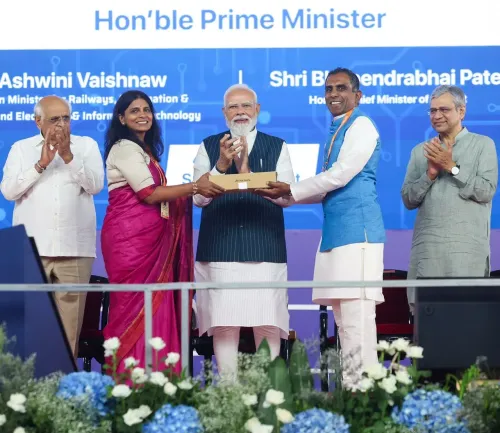
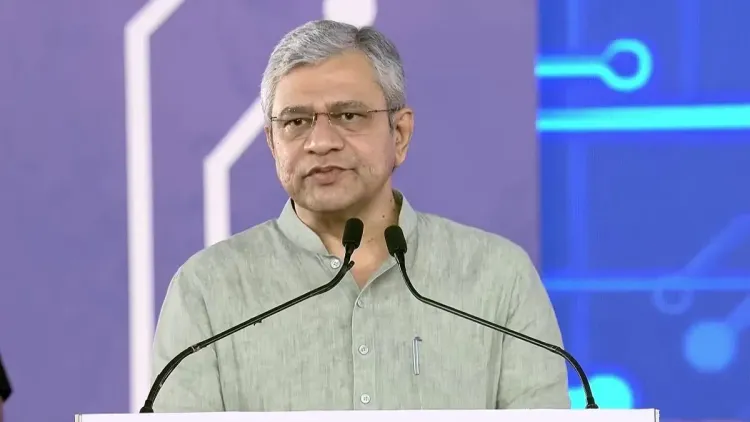
Union Minister Ashwini Vaishnaw visited Sanand, Gujarat on 4 July 2026, declaring that electronics and semiconductors are forging a new identity for India. The minister shared the update from the industrial hub, which has emerged as a focal point of the country's manufacturing ambitions.
Context
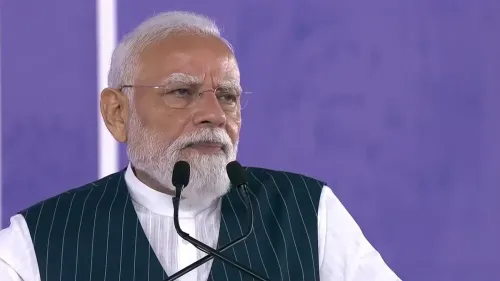
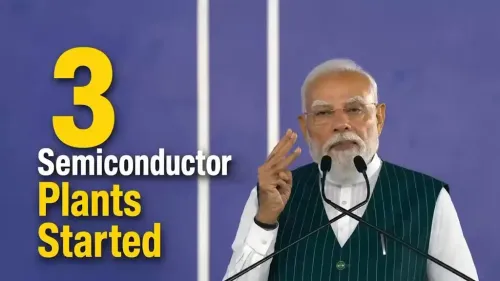
Posting from Sanand, Vaishnaw wrote in Hindi: 'Aaj electronics aur semiconductor se desh ki nayi pehchaan ban rahi hai' — 'Today, electronics and semiconductors are building a new identity for the nation.' The post was accompanied by a video, signalling an on-ground visit to facilities in the region.
Sanand is an industrial town in Gujarat's Ahmedabad district that has steadily attracted large-scale investment in electronics, automobile, and now semiconductor-adjacent manufacturing. Its proximity to Ahmedabad and well-developed industrial infrastructure have made it a preferred destination for both domestic and global manufacturers.
Policy Backdrop
India launched the India Semiconductor Mission (ISM) in 2021 to build domestic capacity across chip design, packaging, and fabrication — reducing dependence on imports and integrating India into global supply chains. The Mission sits alongside Production-Linked Incentive (PLI) schemes for electronics that have drawn significant investment into the sector.
Gujarat has been among the most active states in attracting semiconductor and electronics investment under this framework. Several approved projects under the ISM have targeted the state, with Sanand and surrounding areas identified for facility development. Vaishnaw, who holds the Electronics and Information Technology portfolio alongside Railways and Information and Broadcasting, has been the political face of this push at the Union level.
Stakeholders and Impact
Electronics manufacturers, semiconductor investors, and component suppliers stand to benefit most directly from the infrastructure being built around Sanand. The broader goal is to position India as a credible alternative node in global supply chains that have been diversifying away from single-country concentration — a shift accelerated by geopolitical pressures since 2020.
For the local economy, the expansion of high-technology manufacturing translates into skilled employment and ancillary industry growth. For the national economy, a maturing semiconductor ecosystem could meaningfully reduce the import bill for electronic components, which has historically been one of India's largest import categories.
What's Next
Attention will now turn to commissioning timelines for semiconductor units approved under the India Semiconductor Mission in Gujarat, and to the disbursement pace of incentives that determine whether announced investments translate into operational capacity. Vaishnaw's visit suggests continued ministerial-level monitoring of progress on the ground.
As India pushes to cement its place in the global electronics value chain, Sanand's trajectory will serve as a bellwether for whether the country's semiconductor ambitions move from policy intent to production reality.
Point of View
However, will be whether approved projects translate into operational fabs and packaging units on schedule.
NationPress
3 Oct 2026
Frequently Asked Questions
Why did Ashwini Vaishnaw visit Sanand?
Vaishnaw visited Sanand on 4 July 2026 to review the progress of electronics and semiconductor manufacturing in the Gujarat industrial hub, posting that the sector is building a new identity for India.
What is the India Semiconductor Mission?
The India Semiconductor Mission is a government programme launched in 2021 to develop domestic capacity in chip design, packaging, and fabrication, with the aim of reducing India's dependence on imported semiconductors.
Why is Sanand important for India's semiconductor plans?
Sanand is a well-established industrial town in Gujarat with strong infrastructure and proximity to Ahmedabad, making it a preferred location for electronics and semiconductor-adjacent investment under central government schemes.
What is Ashwini Vaishnaw's role in India's electronics policy?
As Union Minister for Electronics and Information Technology, Vaishnaw is the principal minister overseeing the India Semiconductor Mission, PLI schemes for electronics, and the broader push for domestic manufacturing self-reliance in the sector.
How does India's semiconductor push affect global supply chains?
India is positioning itself as an alternative manufacturing node in global electronics supply chains that have been diversifying away from single-country concentration, with PLI and semiconductor mission incentives aimed at attracting global chipmakers and component manufacturers.