Vaishnaw flags 'Made in India' chips from CG Semi's Sanand OSAT
Synopsis
Union Minister Ashwini Vaishnaw on 5 July 2026 spotlighted 'Made in India' chips from CG Semi's OSAT unit in Sanand, Gujarat — a concrete output of India's Rs 76,000 crore semiconductor mission aimed at reducing East Asian supply-chain dependence and entering global chip markets.
Key Takeaways
Union Minister Ashwini Vaishnaw flagged the production of 'Made in India' chips from CG Semi 's OSAT facility in Sanand, Gujarat on 5 July 2026 .
The India Semiconductor Mission , launched in 2021 with a Rs 76,000 crore outlay, provides the policy and financial framework for such facilities.
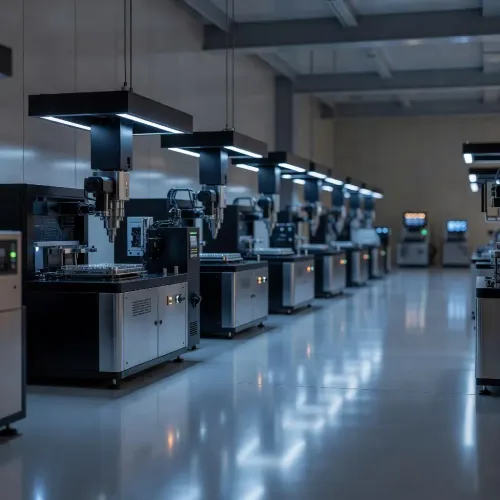
CG Semi's unit handles semiconductor packaging and testing — the back-end OSAT segment seen as India's practical entry point into chip manufacturing.
Sanand has become a focal point for semiconductor and electronics investment in Gujarat, supported by combined central and state incentives.
The initiative is part of India's Atmanirbhar Bharat drive to diversify global chip supply chains away from concentrated East Asian hubs.
Vaishnaw's framing — 'from Gujarat to India, from India to World' — signals an export ambition beyond domestic supply substitution.
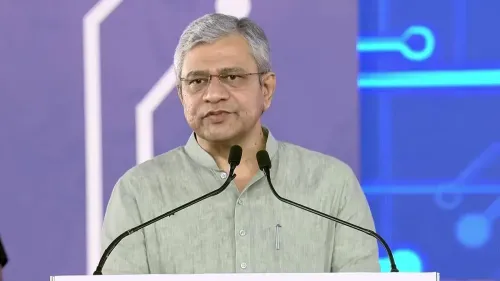
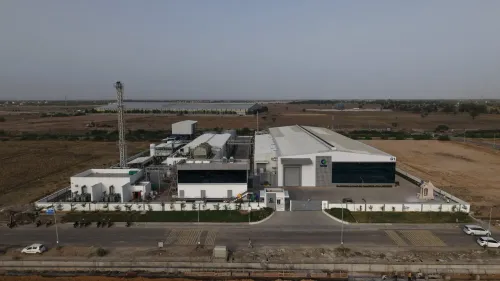
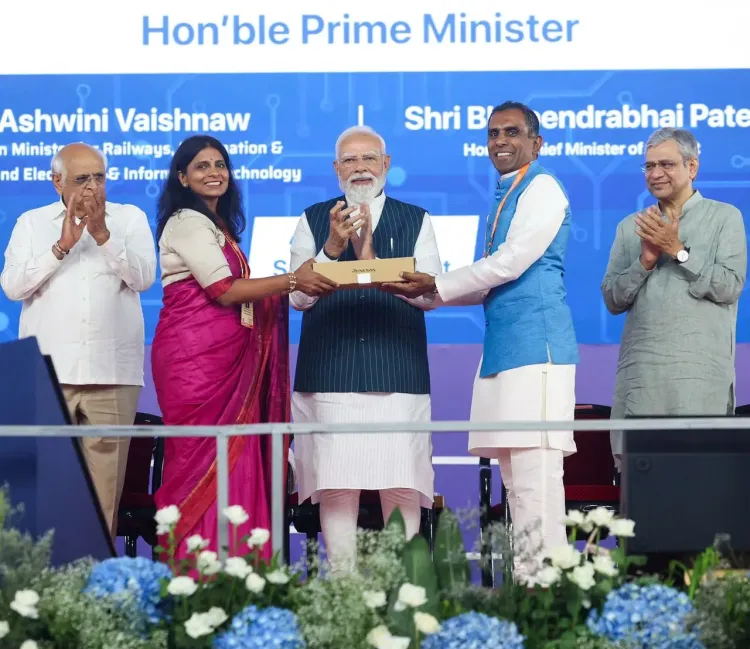
Union Minister Ashwini Vaishnaw on Saturday, 5 July 2026, highlighted the emergence of domestically produced semiconductor chips from CG Semi's Outsourced Semiconductor Assembly and Test (OSAT) facility in Sanand, Gujarat, framing the development as a milestone in India's push to build a homegrown chip-manufacturing ecosystem.
Context
Vaishnaw posted on X: 'From Gujarat to India, from India to World!' — underscoring that chips assembled at the Sanand facility are intended not just for domestic consumption but for global supply chains. The post referenced CG Semi's OSAT unit, which focuses on semiconductor packaging and testing — the back-end stages of chip manufacturing that convert raw silicon wafers into finished, testable components ready for electronics products.
The OSAT segment is strategically significant because it requires lower capital investment than front-end fabrication, making it a practical entry point for a country building its semiconductor industry from the ground up. Sanand has emerged as one of Gujarat's premier industrial corridors, hosting a cluster of electronics and advanced-manufacturing units.
Policy Backdrop
The announcement sits within the broader framework of the India Semiconductor Mission (ISM), launched in 2021 under the Ministry of Electronics and Information Technology (MeitY) with a budgetary outlay of Rs 76,000 crore. The mission was designed to attract investment across the full semiconductor value chain — from design and fabrication to assembly, testing, marking, and packaging (ATMP/OSAT).
Alongside the ISM, the government approved a Production Linked Incentive (PLI) scheme for semiconductors and IT hardware in 2021, offering fiscal incentives to domestic and global manufacturers willing to set up capacity in India. Gujarat has leveraged both central and state-level incentives to position itself as the preferred destination for these investments, with land, utilities, and logistics support bundled for incoming units.
Vaishnaw, who holds the Electronics and Information Technology portfolio in addition to Railways and Information and Broadcasting, has been the political face of India's semiconductor ambitions, regularly flagging project milestones and capacity announcements.
Stakeholders and Impact
The primary beneficiaries of a functioning domestic OSAT ecosystem include Indian electronics manufacturers — from consumer devices to defence and automotive sectors — who currently depend heavily on semiconductor packaging hubs concentrated in East Asia. Diversifying that supply chain reduces both cost volatility and geopolitical risk.
For Gujarat's industrial sector, the CG Semi facility adds high-skill employment and positions the state within global semiconductor supply chains. Semiconductor OSAT operations typically require precision engineering talent, creating demand for trained technicians and engineers from regional institutions.
Globally, the 'Made in India' chip narrative aligns with the broader realignment of semiconductor supply chains that major economies — the United States, European Union, Japan — have each pursued through their own chip-incentive legislation since 2021-22.
What's Next
The key milestones to watch are the first verified commercial shipments from the CG Semi Sanand facility and any parliamentary or MeitY updates on the utilisation of the Rs 76,000 crore ISM outlay. As more approved projects move from groundbreaking to operational phases, the government is expected to use each milestone to reinforce the Atmanirbhar Bharat narrative ahead of its semiconductor diplomacy engagements. The trajectory from a single OSAT unit in Sanand to a full-spectrum domestic chip industry will depend on how quickly subsequent fabrication and design investments reach production scale.
Point of View
Tangible output — shifting the narrative from announcements to actual chip production. The 'Gujarat to India to World' framing is politically calculated: it credits Gujarat's industrial ecosystem while projecting national ambition, reinforcing the BJP's dual pitch of state-level governance delivery and Atmanirbhar Bharat. For India's semiconductor mission, an operational OSAT facility is a credibility moment, but the harder test remains whether front-end fabrication investments reach production scale on schedule. The post also signals that the government intends to use each operational milestone as diplomatic and economic currency in ongoing supply-chain realignment conversations with partner nations.
NationPress
3 Oct 2026
Frequently Asked Questions
What is CG Semi's OSAT facility in Sanand?
CG Semi's OSAT (Outsourced Semiconductor Assembly and Test) facility in Sanand, Gujarat, is a semiconductor packaging and testing unit that converts silicon wafers into finished chip components. It is one of the projects supported under India's semiconductor manufacturing incentive framework.
What is the India Semiconductor Mission?
The India Semiconductor Mission is a government programme launched in 2021 under MeitY with a Rs 76,000 crore outlay. It offers financial incentives to companies setting up semiconductor fabrication, assembly, testing, and design units in India to build a domestic chip ecosystem.
Why is Sanand important for semiconductor manufacturing in India?
Sanand is a major industrial hub in Gujarat with established infrastructure, logistics connectivity, and a track record of hosting large electronics and manufacturing projects. Combined central and state incentives have made it a preferred location for semiconductor OSAT and assembly investments.
What does OSAT mean in semiconductor manufacturing?
OSAT stands for Outsourced Semiconductor Assembly and Test. It refers to the back-end stage of chip production — packaging the silicon die and testing finished chips — as distinct from front-end wafer fabrication. OSAT requires lower capital outlay, making it an accessible entry point for emerging semiconductor nations.
How does 'Made in India' chip production affect India's import dependence?
India currently imports the vast majority of its semiconductor requirements, primarily from East Asian supply chains. Domestic OSAT and fabrication capacity reduces this dependence, lowers supply-chain risk, and positions Indian manufacturers to participate in global chip value chains as exporters.