CM Fadnavis: MADC-Taj MoU to bring five-star hotel to Shirdi
Synopsis
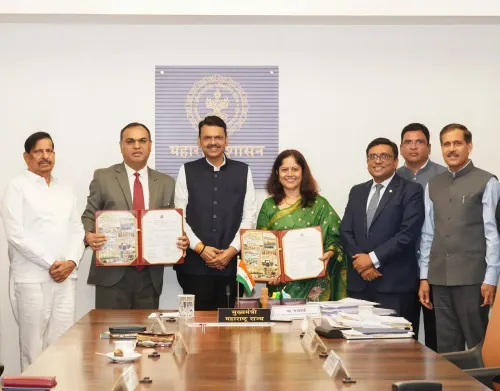
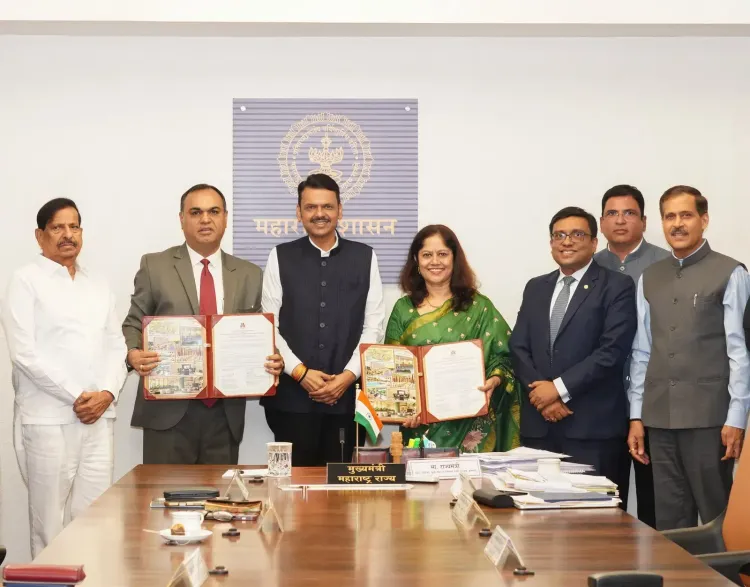
Maharashtra CM Devendra Fadnavis has announced an MoU between state PSU MADC and IHCL's Taj Group to build a five-star hotel in Shirdi, aiming to upgrade hospitality for the millions of Sai Baba pilgrims who visit annually and generate local employment.
Key Takeaways
MADC and IHCL (Taj Group) have signed an MoU to develop a five-star hotel in Shirdi , Maharashtra.
CM Devendra Fadnavis announced the partnership on 17 November 2026 , framing it as a boost to pilgrim comfort and regional economic growth.
MADC previously developed Shirdi Airport , operational since 2017 , extending its infrastructure role from air connectivity to hospitality.
The project is expected to generate direct employment in hospitality and indirect economic benefits for local businesses in the Ahmednagar region.
Specific investment figures, land details, and construction timelines from the MoU have not yet been disclosed publicly.
The move aligns with Maharashtra's broader strategy of using public-private partnerships to upgrade facilities at major religious tourism destinations.
Shirdi receives millions of pilgrims every year — and soon, they may check into a Taj hotel steps from the Sai Baba shrine. Maharashtra Chief Minister Devendra Fadnavis on Tuesday, 17 November 2026, announced a memorandum of understanding between the Maharashtra Airport Development Company (MADC) and Indian Hotels Company Limited (IHCL), the listed entity behind the iconic Taj Group, to develop a five-star property in Shirdi.
A Taj flag in pilgrim country
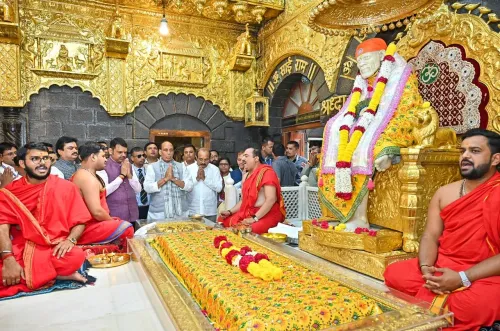
Shirdi, nestled in Ahmednagar district, is one of Maharashtra's most-visited destinations, drawing devotees of Sai Baba from across India and abroad every year. Yet the town's hospitality infrastructure has historically lagged behind its footfall. The MADC-IHCL agreement is designed to close that gap — bringing world-class accommodation, modern facilities, and elevated guest comfort to a destination that has long outgrown its existing hotel stock.
MADC, a Maharashtra state public-sector undertaking, has previously shaped Shirdi's connectivity story — most notably by developing Shirdi Airport, which became operational in 2017 to offer direct air access to the shrine. The new partnership with IHCL extends that infrastructure push from the runway to the reception desk.
Maharashtra's pilgrim-tourism playbook
The Taj tie-up is not an isolated gesture. Maharashtra has pursued a deliberate strategy of public-private partnerships at major religious tourism sites, upgrading connectivity and hospitality to encourage longer stays and higher visitor spending. Similar frameworks have been applied at other pilgrimage centres across the state, with the goal of converting single-day darshan trips into multi-day economic events for local communities.
CM Fadnavis framed the Shirdi project squarely within that growth logic, noting that the upcoming five-star hotel would 'add a new dimension to Shirdi's tourism landscape while creating employment opportunities and giving a further boost to the region's economic growth and development.' Construction timelines, investment figures, and the precise land parcel linked to the MoU have not yet been made public.
Jobs, spending, and what comes next
The employment angle carries real weight for the Ahmednagar region. A five-star property of IHCL's scale typically generates hundreds of direct hospitality jobs — front-of-house, culinary, and facilities — alongside a broader supply-chain effect for local vendors, transport operators, and artisans. For a town whose economy is tightly tied to pilgrimage cycles, a Taj address could meaningfully extend the visitor spending season beyond peak festival days.
Watchers will now track the pace of land acquisition, a formal construction start, and whether the new property is designed to integrate operationally with Shirdi Airport — potentially as a transit hospitality node for devotees on tight schedules. If the Taj flag goes up in Shirdi, it will mark a significant upgrade to the pilgrim experience at one of India's most spiritually charged addresses.
Point of View
Turning religious footfall into a sustainable economic engine. For CM Fadnavis, the announcement reinforces a development-governance identity ahead of what will be a politically active period in the state. The real test of the initiative, however, will be execution speed — MoUs at religious tourism sites in India have a history of stalling at land acquisition and local approval stages. If IHCL breaks ground swiftly, Shirdi could become a replicable template for other high-footfall shrines across the country.
NationPress
17 Nov 2026
Frequently Asked Questions
What is the MADC-IHCL MoU for Shirdi?
The MoU is an agreement between the Maharashtra Airport Development Company (MADC), a state PSU, and Indian Hotels Company Limited (IHCL), which operates the Taj Group, to develop a five-star hotel in Shirdi to serve the town's large pilgrimage and tourism base.
Who announced the Shirdi Taj hotel project?
Maharashtra Chief Minister Devendra Fadnavis announced the MADC-IHCL MoU on 17 November 2026 via a post on X, highlighting the project's potential for hospitality upgrades and local job creation.
What is MADC and what has it done in Shirdi before?
MADC stands for Maharashtra Airport Development Company, a state-owned body focused on airport and associated infrastructure. It previously developed Shirdi Airport, which became operational in 2017 to improve air access to the Sai Baba shrine.
How many people visit Shirdi every year?
Shirdi attracts several million devotees and tourists annually, drawn primarily to the Sai Baba temple in Ahmednagar district, making it one of Maharashtra's most-visited religious destinations.
When will the five-star hotel in Shirdi be completed?
No construction timeline or completion date has been officially disclosed yet. The MoU marks the planning and commitment stage; land acquisition details and a construction schedule are expected to follow.