Vaishnaw Announces Dwarka Tunnel & Kanpur–Kabrai Highway Nod
Synopsis
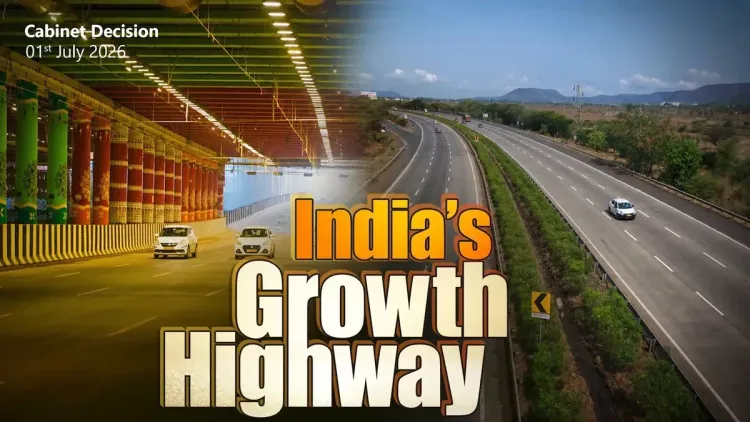
Union Minister Ashwini Vaishnaw announced government approval for two major road projects on 1 July 2026: a 6-lane Dwarka Tunnel in Gujarat and a 4-lane Kanpur–Kabrai highway in Uttar Pradesh, aimed at cutting logistics costs and boosting regional connectivity.
Key Takeaways
Union Minister Ashwini Vaishnaw announced approval of two highway projects on 1 July 2026 .
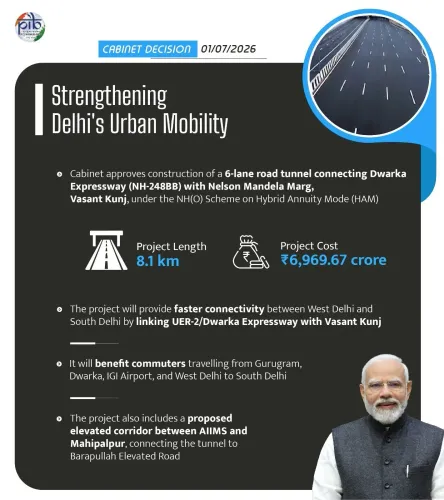
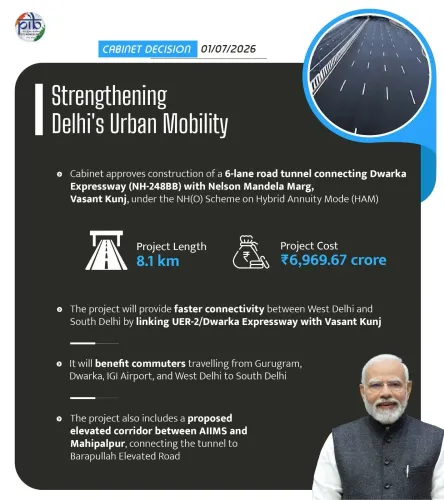
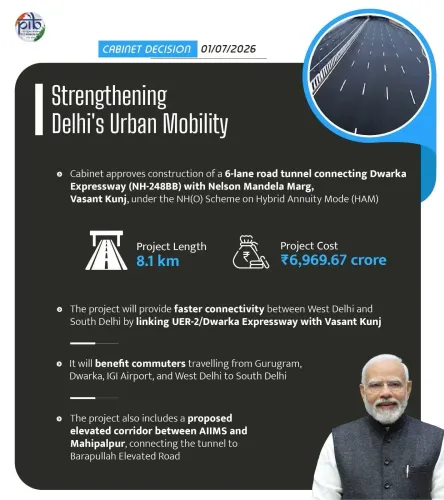
The 6-lane Dwarka Tunnel will improve connectivity to the coastal pilgrimage city of Dwarka, Gujarat .
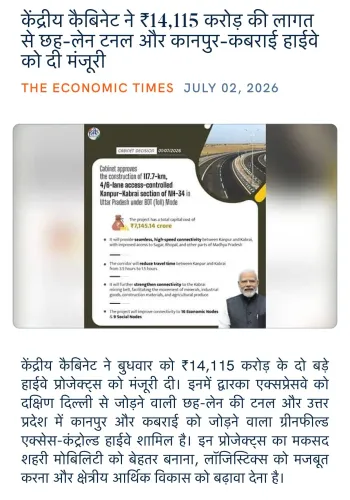
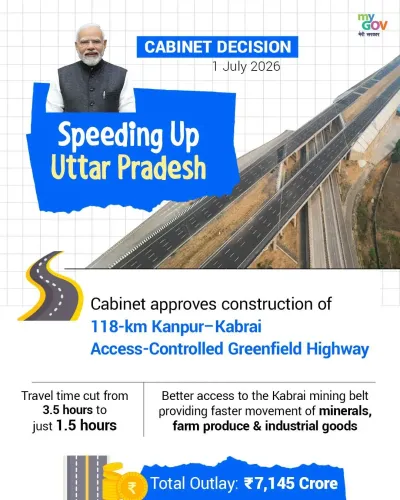
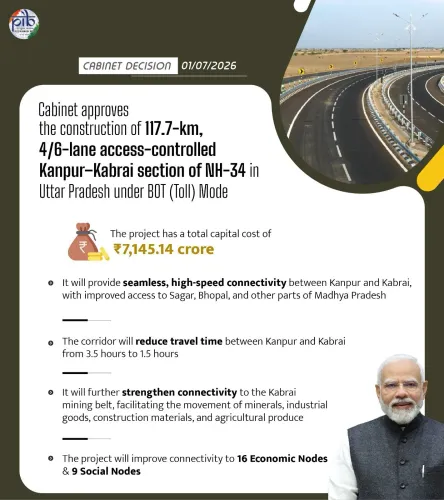
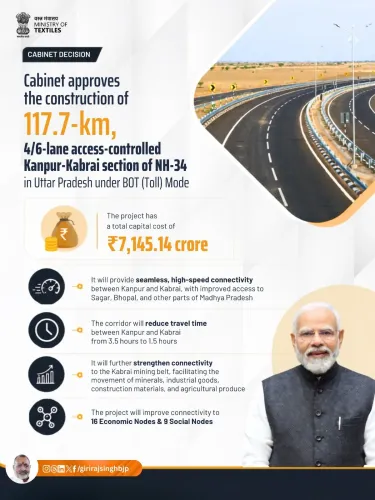
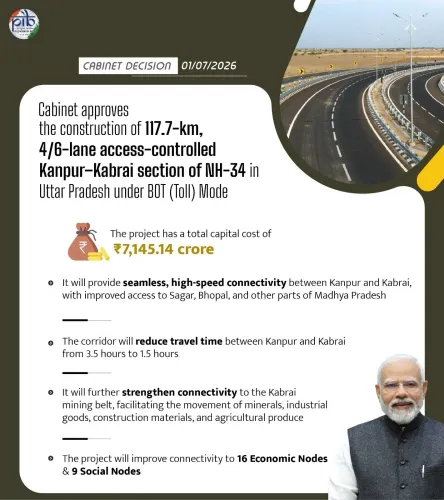
The 4-lane Kanpur–Kabrai highway links industrial Kanpur to Kabrai in Mahoba district, Uttar Pradesh .
Both projects fall under India's flagship Bharatmala Pariyojana , which targets over 34,800 km of new highways.
India's logistics costs stand at around 14 percent of GDP ; multi-lane highways are central to reducing this figure.
NHAI tendering and land acquisition progress will be key milestones to watch in the 2026–27 budget cycle.
Union Minister Ashwini Vaishnaw announced on Wednesday, 1 July 2026 that two major highway projects have received government approval: a 6-lane Dwarka Tunnel and a 4-lane Kanpur–Kabrai highway. The minister said the projects will transform travel, improve logistics networks, and create new opportunities for people and businesses.
Context
Vaishnaw posted on X that the two approvals mark a significant push for road infrastructure, describing them as projects that will 'transform travel, improve logistics networks and create new opportunities for people and businesses.' The Dwarka Tunnel project concerns Dwarka, the coastal city in Gujarat with deep religious significance and growing tourism footfall, where improved road access has long been a regional demand. The Kanpur–Kabrai corridor links Kanpur, one of Uttar Pradesh's largest industrial cities, to Kabrai in Mahoba district, opening up a stretch of the Bundelkhand region to faster surface connectivity.
Policy Backdrop
Both projects sit within India's broader highway expansion drive anchored by the Bharatmala Pariyojana, the flagship programme approved by the Cabinet in 2017 to develop over 34,800 km of national highways including expressways, ring roads, and tunnels. The National Highways Authority of India (NHAI), the statutory body responsible for building and maintaining national highways, is the implementing agency for projects of this scale. Successive rounds of approvals under Bharatmala have targeted both coastal connectivity — such as the Gujarat coast — and interior corridors in states like Uttar Pradesh, where sections of NH-27 and NH-34 received four-laning approvals between 2018 and 2021.
India's logistics costs have historically hovered around 14 percent of GDP, well above the global benchmark of roughly 8 percent. Multi-lane, access-controlled highways and tunnels are central to the government's strategy for bringing that figure down by reducing transit times and vehicle operating costs.
Stakeholders and Impact
The Dwarka Tunnel is expected to benefit Gujarat businesses, pilgrims, and tourists who face congestion on existing approach roads to the temple town. A 6-lane configuration signals the project is designed for high traffic volumes, suggesting planners anticipate significant long-term demand growth. For the Kanpur–Kabrai corridor, logistics firms operating between the Ganga plain and the Bundelkhand region stand to gain from reduced travel times, while local communities in Mahoba and surrounding districts could see improved access to markets and services. Uttar Pradesh residents along the alignment are among the most direct beneficiaries of the four-laning upgrade.
What's Next
NHAI tendering timelines and land acquisition progress for both corridors will be closely tracked in the 2026–27 budget cycle. Parliamentary scrutiny of revised cost estimates and environmental clearances is likely as the projects move from approval to implementation. The announcements also come as the government continues to bundle road works with logistics and tourism objectives, a pattern that will be tested by execution timelines on the ground.
Point of View
Given the track record of large tunnel projects in India running over schedule. Ultimately, the announcements reinforce the BJP-led government's infrastructure-as-governance narrative ahead of state and national electoral cycles.
NationPress
30 Sept 2026
Frequently Asked Questions
What is the Dwarka Tunnel project approved by the government?
The government has approved a 6-lane Dwarka Tunnel project aimed at improving road connectivity to Dwarka, the coastal pilgrimage city in Gujarat, as announced by Union Minister Ashwini Vaishnaw on 1 July 2026.
Where is the Kanpur–Kabrai highway and why is it significant?
The Kanpur–Kabrai highway connects Kanpur, a major industrial city in Uttar Pradesh, to Kabrai in Mahoba district in the Bundelkhand region. The 4-lane upgrade is expected to cut travel times and improve logistics for businesses and residents in both areas.
What is Bharatmala Pariyojana?
Bharatmala Pariyojana is India's flagship highway development programme approved by the Cabinet in 2017, targeting the construction of over 34,800 km of national highways including expressways, tunnels, and ring roads across the country.
Who implements national highway projects in India?
The National Highways Authority of India (NHAI) is the statutory body under the Ministry of Road Transport and Highways responsible for building and maintaining national highways, including projects approved under Bharatmala Pariyojana.
How do new highways help reduce India's logistics costs?
India's logistics costs are estimated at around 14 percent of GDP, well above the global average. Multi-lane, access-controlled highways reduce transit times and vehicle operating costs, helping bring logistics expenses closer to the global benchmark of roughly 8 percent.