Vande Bharat races a beating heart from Ankleshwar to Ahmedabad

Synopsis
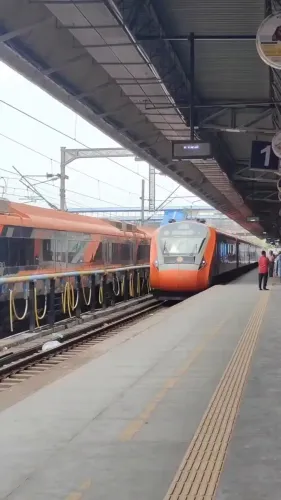
The Vande Bharat Express raced a living donor heart from Ankleshwar to Ahmedabad on 2 August 2026, in a coordinated operation by Indian Railways and medical teams that the Gujarat CMO hailed as a landmark in humanitarian transport.
Key Takeaways
The Vande Bharat Express transported a live donor heart from Ankleshwar to Ahmedabad on 2 August 2026 .
The operation was announced by the Chief Minister's Office of Gujarat and involved coordination between Indian Railways and a team of medical experts.
Ahmedabad is a major organ transplant hub in India, served by hospitals with advanced cardiac transplant capabilities.
India's organ transport framework is underpinned by the Transplantation of Human Organs and Tissues Act (amended 2011) and coordinated by NOTTO .
Vande Bharat services have grown since the inaugural Delhi-Varanasi run in 2019 , expanding the potential network for rail-assisted medical logistics.
The CMO described the mission as an achievement of service, resolve, compassion, and coordination.
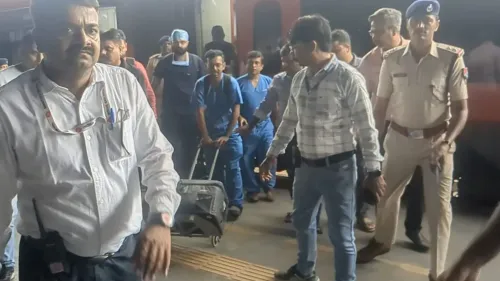
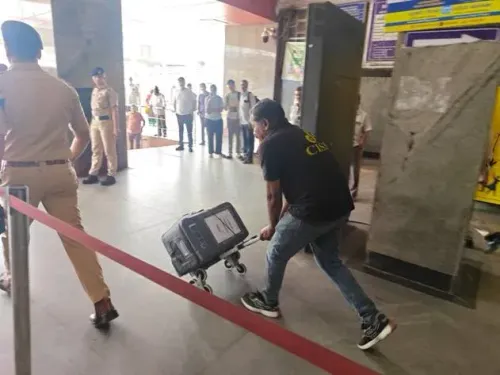
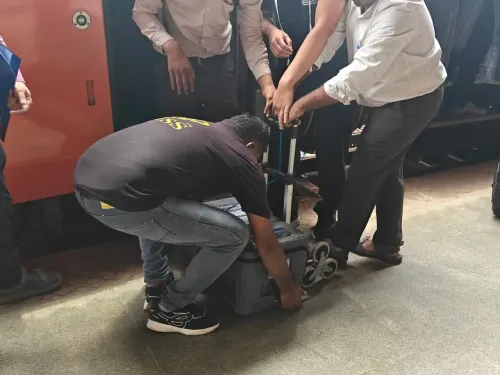
A living heart boarded a train in Ankleshwar on Sunday, 2 August 2026 — and arrived in Ahmedabad in time to save a life. The Chief Minister's Office of Gujarat announced that the Vande Bharat Express successfully transported a 'live heart' for organ transplantation, with a coordinated team of medical experts and railway personnel executing what it called a history-making humanitarian mission.
The Gujarati-language post described the mission as a triumph of 'સેવા, સંકલ્પ, સંવેદના અને સંકલન' — service, resolve, compassion, and coordination — calling the Vande Bharat not merely a train but 'a pulsing hope for a life.'
Why a semi-high-speed train, and why it worked
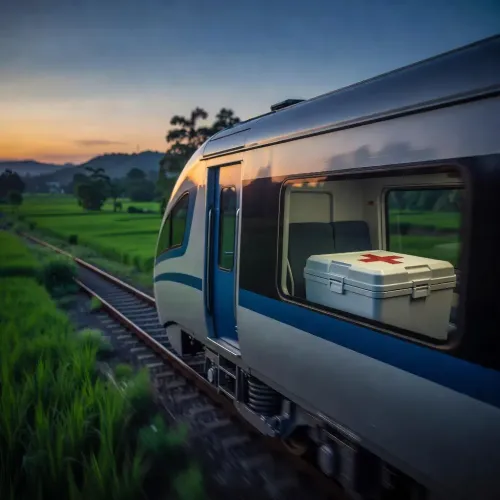
Time is the enemy in organ transplantation. A donor heart has a viability window of roughly four to six hours outside the body, and every minute in transit is a minute the recipient's surgical team cannot recover. The Ankleshwar-to-Ahmedabad corridor — roughly 100 kilometres — is served by the Vande Bharat Express, whose semi-high-speed capability and punctuality made it the fastest reliable option for this corridor.
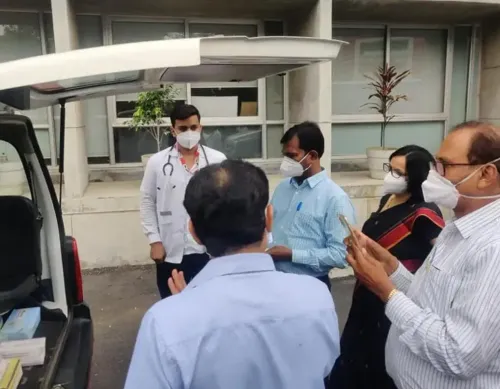
Indian Railways has on previous occasions been pressed into emergency medical logistics, but the use of the Vande Bharat — the flagship of India's modern rail fleet — signals a more deliberate integration of high-speed rail into critical healthcare infrastructure. The coordination required is considerable: green corridors, platform clearances, and a synchronised handoff to the transplant team at the destination hospital in Ahmedabad.
Gujarat's role in India's organ-transport network
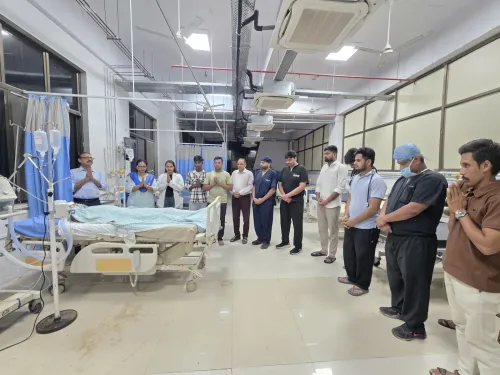
Ahmedabad is one of India's leading transplant hubs, home to hospitals with advanced cardiac and multi-organ transplant programmes. The National Organ and Tissue Transplant Organisation (NOTTO), the government body that coordinates organ donation and allocation under the National Organ Transplant Programme, works alongside state-level networks to ensure retrieved organs reach recipients with minimal delay.
India's organ donation ecosystem was significantly strengthened by the amendment to the Transplantation of Human Organs and Tissues Act in 2011, which streamlined inter-state retrieval and transport. Gujarat has been an active participant in building that state-level coordination layer — and Sunday's operation is a visible demonstration of how that system performs under real pressure.
A blueprint for rail-assisted medical logistics
What makes this moment notable beyond the individual life saved is the template it establishes. Vande Bharat Express services have expanded steadily since the inaugural Delhi-Varanasi run in 2019, now covering dozens of routes across the country. Each new corridor is, in principle, a potential green lane for time-critical medical cargo. The question policymakers and health administrators are now watching: will this remain an ad-hoc emergency measure, or will formal protocols and memoranda of understanding between state health departments and Indian Railways institutionalise it?
For the patient waiting in Ahmedabad on Sunday, that policy question was already answered — by a train that arrived on time.
Point of View
Reinforcing the political narrative around railway modernisation. The broader policy question — whether ad-hoc green corridors will be codified into standing protocols with NOTTO and state health ministries — will determine whether this becomes a replicable system or a celebrated one-off. Either way, it raises the stakes for the next phase of Vande Bharat expansion.
NationPress
2 Aug 2026
Frequently Asked Questions
What happened with the Vande Bharat Express and organ transport in Gujarat?
On 2 August 2026 , the Vande Bharat Express transported a live donor heart from Ankleshwar to Ahmedabad , enabling an organ transplant for a patient in need. The operation was coordinated by Indian Railways and a medical expert team.
Why was the Vande Bharat used for organ transport?
The Vande Bharat Express offers semi-high-speed, reliable service on the Ankleshwar-Ahmedabad corridor, making it the fastest dependable option for covering roughly 100 kilometres within the tight viability window of a donor heart.
What is NOTTO and what role does it play in organ transport?
The National Organ and Tissue Transplant Organisation (NOTTO) is the government body that coordinates organ donation and allocation under India's National Organ Transplant Programme, working with state networks to minimise transit time for retrieved organs.
Has a train been used for organ transport in India before?
Indian Railways has been used for emergency medical logistics on previous occasions, but the use of the Vande Bharat Express reflects a growing and more deliberate integration of high-speed rail into critical healthcare infrastructure.
What law governs organ transport in India?
The Transplantation of Human Organs and Tissues Act , amended in 2011 , governs organ retrieval and transport across India, streamlining inter-state coordination for time-critical transplant operations.