How Did Vapi's Roads Transform with Mastic Asphalt Technology?
Synopsis
Gandhinagar, Jan 13 (NationPress) Vapi's road infrastructure has undergone a remarkable transformation thanks to the innovative use of mastic asphalt technology. This upgrade has brought relief to locals and improved the commuting experience significantly. Discover how this modern approach is reshaping road conditions in Vapi and benefiting its community.
Key Takeaways
Improved road quality with mastic asphalt technology.
Enhanced durability to withstand heavy rainfall.
Significant reduction in pothole formation .
Improved commuter experience for residents.
A model for other cities facing similar issues.
Gandhinagar, Jan 13 (NationPress) The damaged roads and aging infrastructure in Gujarat's Valsad district were a major concern for both residents and tourists, until they recently received a significant upgrade. The city's revitalization efforts have transformed the road conditions, leading to a more enjoyable experience for drivers and daily travelers.
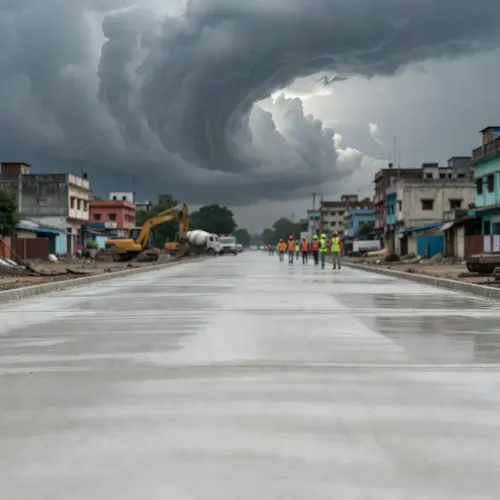
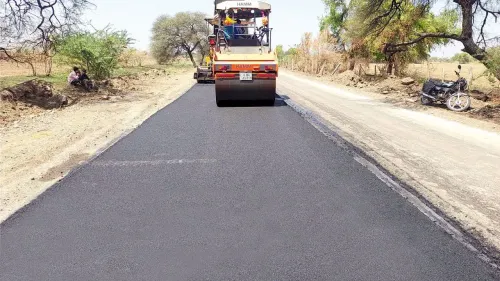
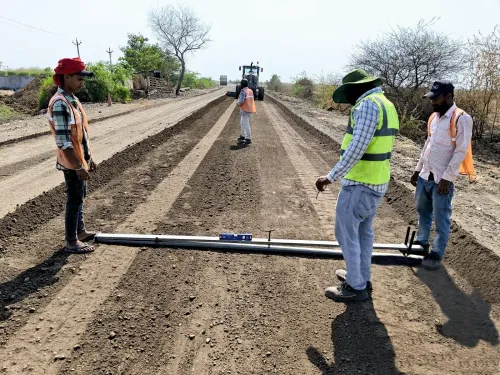
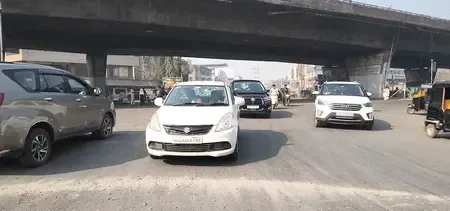
The application of cutting-edge mastic asphalt technology in road repairs has drastically improved the city's infrastructure. Now, vehicles can navigate the streets of Vapi, an industrial hub in Gujarat’s Valsad district, with ease.
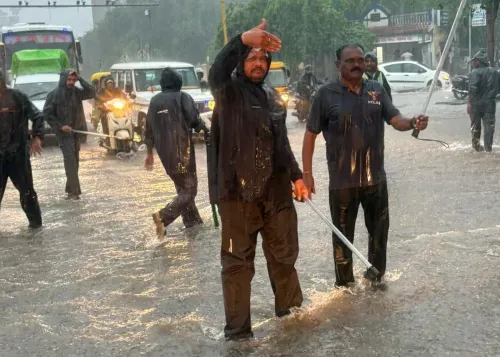
In the past, the annual monsoon rains wreaked havoc on the roads, creating potholes and causing wear and tear that plagued local inhabitants, industries, and heavy vehicle operations. However, with the administration’s intervention, this persistent issue has been effectively tackled using modern technology.
Jatin Patel, Executive Engineer of Valsad Roads and Buildings Department, informed IANS that Vapi experiences between 100 to 150 inches of rainfall each year. The continuous movement of heavy vehicles has historically led to rapid road deterioration.
While cement concrete (CC) roads could be constructed, the department aimed to enhance the durability of the roads and find a long-term solution.
With this goal in mind, the adoption of mastic asphalt technology has resulted in more resilient roads that maintain their integrity during the rainy season.
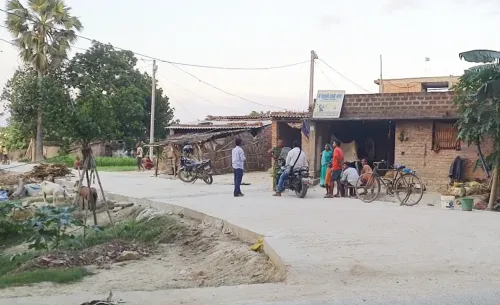
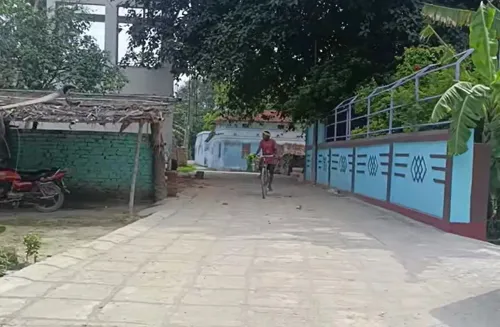
Vapi residents are expressing their satisfaction with the new road constructions utilizing this technology. Locals remark that the roads used to deteriorate significantly every monsoon.
Local resident Arvind Shah stated, 'Road construction in Vapi has improved tremendously compared to the past.' He added, 'The potholes caused severe commuting issues during the rainy season, but these new roads will significantly reduce that problem.'
Another resident, Pawan Sharma, praised the use of mastic asphalt technology as a fitting solution for Vapi's heavy rainfall. He noted that this initiative is commendable, as it does not inconvenience residents and promises long-lasting road quality.
Importantly, the local administration's use of mastic asphalt technology for road construction has not only alleviated the concerns of Vapi residents but has also greatly aided local industries and commercial activities. This initiative serves as a model for other cities facing similar challenges regarding road degradation due to heavy rainfall and industrial traffic.
Point of View
I believe the implementation of mastic asphalt technology in Vapi is a significant step forward for urban infrastructure. This innovative approach not only addresses immediate road repair needs but also sets a precedent for other regions facing similar challenges. The focus on durability and quality in road construction reflects a commitment to serve the community effectively.
NationPress
19 Sept 2026
Frequently Asked Questions
What is mastic asphalt technology?
Mastic asphalt technology is a modern road construction method that enhances durability and longevity, making roads more resilient to heavy rainfall and traffic.
Why were Vapi's roads in poor condition?
Vapi's roads suffered from severe deterioration due to heavy rains, frequent wear and tear from heavy vehicles, and outdated construction methods.
How does this new technology benefit the residents?
Residents benefit from smoother roads that reduce commuting difficulties, improve safety, and enhance overall travel experiences.
Is the new road technology environmentally friendly?
Mastic asphalt technology is designed to be durable, reducing the need for frequent repairs, which can have a positive environmental impact.
Can other cities adopt this technology?
Yes, this technology can be a model for other cities facing challenges with road maintenance and degradation due to heavy rainfall.