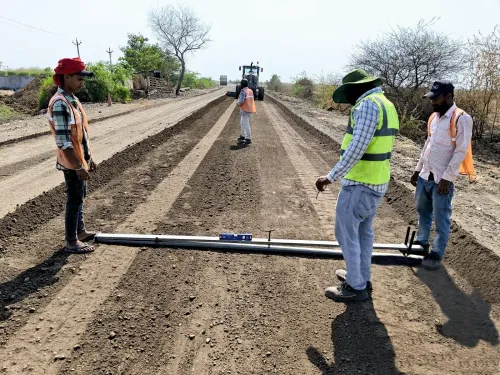
Gujarat CM Bhupendra Patel backs CC roads to end monsoon pothole crisis
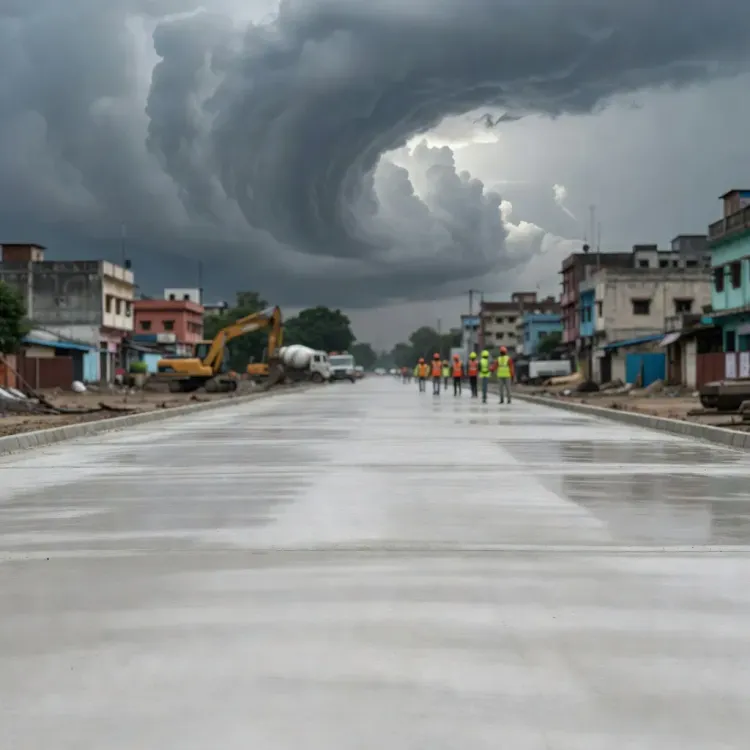
Synopsis
Gujarat's cabinet has approved replacing asphalt with cement concrete roads in municipal corporations and municipalities to permanently end recurring monsoon road damage. CM Bhupendra Patel says the move will build durable roads and improve citizens' ease of living across the state.
Key Takeaways
Gujarat cabinet has approved replacing asphalt with cement concrete (CC) roads in municipal corporations, municipalities, and other identified areas across the state.
The decision directly targets the annual problem of roads deteriorating during the monsoon season , aiming for a permanent structural fix rather than recurring patch repairs.
CM Bhupendra Patel announced the move on 28 July 2026 , committing the state government to broader, higher-quality road infrastructure.
CC roads carry a higher upfront cost but a significantly longer service life in high-rainfall zones, reducing long-term municipal expenditure on road maintenance.
The policy is framed around improving ease of living for citizens, aligning with national BJP governance benchmarks for urban development.
Rollout timelines, budget allocations, and implementation in major cities such as Ahmedabad and Surat remain to be detailed in follow-up announcements.
Every monsoon, Gujarat's roads crack, crumble, and flood complaint boxes — and the state cabinet has now moved to end that cycle for good. Gujarat Chief Minister Bhupendra Patel announced on Tuesday, 28 July 2026 that the state cabinet has approved a shift from asphalt to cement concrete (CC) roads in municipal corporations, municipalities, and other identified areas across Gujarat, with the explicit goal of building roads that last and improving citizens' ease of living.
The monsoon road problem Gujarat is trying to solve permanently
Bitumen roads and heavy rainfall are a notoriously bad combination. Waterlogging softens the sub-base, traffic loads do the rest, and by September most urban roads in Gujarat look like they've been shelled. The pattern repeats annually, draining municipal budgets on patch-work repairs that rarely survive the next downpour. CM Patel's post, written in Gujarati, states the government is 'committed to making the state's road infrastructure more extensive and quality-driven so that citizens receive progressively better facilities' — and frames the CC road decision as the permanent fix to a perennial problem.
Why cement concrete, and why now
Cement concrete roads carry a higher upfront construction cost than asphalt, but their service life in high-rainfall zones is significantly longer — a trade-off that states from Maharashtra to Kerala have increasingly accepted. Gujarat's cabinet decision extends that logic to its own urban local bodies: municipal corporations and municipalities will lead the rollout, with CC construction also mandated in 'areas as per requirement.' The policy directly targets the recurring expenditure trap of monsoon-season road repairs, redirecting investment toward infrastructure that doesn't need to be rebuilt every year.
What this means for Gujarat's cities
Gujarat's major urban centres — including Ahmedabad and Surat, two of India's fastest-growing cities — stand to be the earliest and largest beneficiaries if implementation follows the cabinet's intent. The state's urban local bodies have long borne the political and financial cost of pothole complaints; a systematic CC road programme would shift that dynamic. CM Patel tied the decision explicitly to 'ease of living,' a metric that has become central to how BJP-led state governments benchmark urban governance performance.
Gujarat has pursued phased urban road upgradation since the 2000s, but a cabinet-level mandate to replace asphalt with CC across municipal bodies marks a structural escalation of that ambition. Budget allocations, implementation timelines, and performance audit mechanisms will determine whether the decision translates from policy to pavement — and that is where citizens will be watching.
Point of View
' Patel connects a state-level infrastructure call to the national BJP governance vocabulary, reinforcing continuity with the Centre's urban development priorities. The real test will be implementation: CC road programmes in other states have faced delays in procurement and contractor capacity, and Gujarat's rollout timelines will be closely watched. If executed at scale in Ahmedabad and Surat, the policy could become a replicable model for high-rainfall urban corridors across India.
NationPress
27 Oct 2026
Frequently Asked Questions
What did the Gujarat cabinet decide about roads?
The Gujarat cabinet approved constructing cement concrete (CC) roads instead of asphalt roads in municipal corporations, municipalities, and other identified areas to prevent recurring monsoon damage.
Why are CC roads better than asphalt roads in monsoon?
Cement concrete roads are more resistant to waterlogging and heavy rainfall than bitumen roads, giving them a longer service life and reducing the need for repeated, costly repairs after every monsoon season.
Which cities in Gujarat will get cement concrete roads?
The cabinet decision covers municipal corporations and municipalities across Gujarat. Major cities such as Ahmedabad and Surat are expected to be among the primary beneficiaries, though specific area lists have not yet been officially confirmed.
Who announced the Gujarat CC road policy?
Gujarat Chief Minister Bhupendra Patel announced the cabinet decision on 28 July 2026 via a post on X, framing it as a permanent solution to the state's annual monsoon road-damage problem.
How does this road policy relate to ease of living?
CM Patel explicitly linked the CC road decision to improving citizens' ease of living — a governance metric used by BJP-led state governments to measure how infrastructure quality affects daily life.