VP Radhakrishnan urges collective push for Nasha Mukt Bharat at Bengaluru conclave
Synopsis
At RGUHS's 31st Foundation Day in Bengaluru, Vice President C.P. Radhakrishnan reframed the drug-free India mission as a societal contract — not just a law enforcement problem. His call for future doctors and pharmacists to become frontline anti-addiction ambassadors signals a deliberate shift toward health-sector ownership of a challenge that policing alone has failed to solve.
Key Takeaways
Radhakrishnan addressed the Nasha Mukt Bharat Conclave in Bengaluru on 28 June .
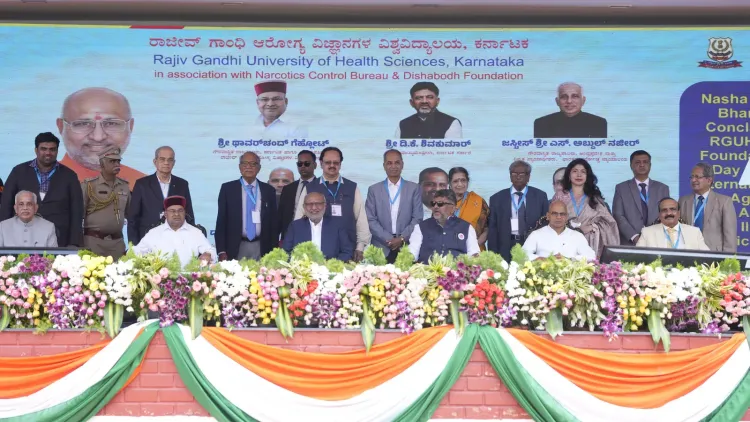
The event was organised by RGUHS in association with the Narcotics Control Bureau and Disha Bodh Foundation , marking RGUHS's 31st Foundation Day .
Radhakrishnan called for a multi-stakeholder movement spanning families, educational institutions, healthcare, law enforcement, and civil society.
He urged future doctors, nurses, pharmacists, and psychologists to become ambassadors of anti-addiction awareness and evidence-based policymaking.
Shivakumar , Governor Thaawar Chand Gehlot , and AP Governor Justice (Retd) Syed Abdul Nazeer were among the dignitaries present.
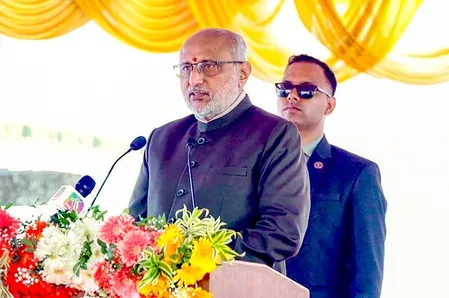
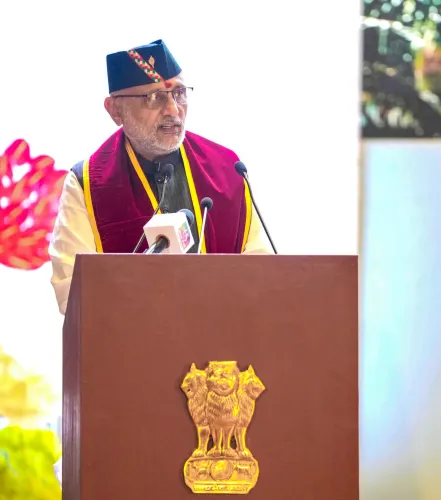
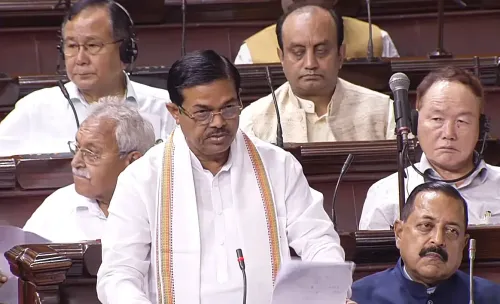
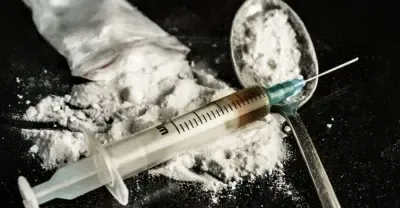
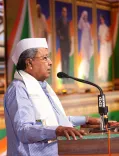
Vice President C.P. Radhakrishnan on Sunday, 28 June called for a nationwide collective effort to realise 'Nasha Mukt Bharat', asserting that every young life consumed by addiction represents a direct loss of national potential. He was speaking at the Nasha Mukt Bharat Conclave held in Bengaluru, organised by Rajiv Gandhi University of Health Sciences (RGUHS) in association with the Narcotics Control Bureau (NCB) and Disha Bodh Foundation.
Key Developments at the Conclave
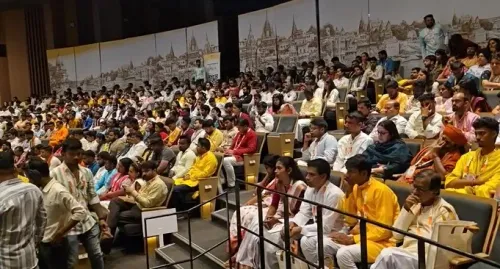
The Vice President addressed the gathering on the occasion of the 31st Foundation Day of RGUHS at Sree Kanteerava Stadium. Radhakrishnan made clear that a drug-free India is not simply a matter of eliminating substances, but of fostering healthy choices, informed decision-making, supportive family structures, and resilient communities.
He stressed that the battle against substance abuse must begin at the individual level and grow into a mass movement — driven by the combined resolve of educational institutions, families, healthcare professionals, law enforcement agencies, and civil society.
What the Vice President Said
Radhakrishnan underlined that individuals must retain complete control over their own minds, warning that drug dependence strips a person of agency over their own life. He urged students — particularly those training to become doctors, nurses, pharmacists, psychologists, researchers, and public health professionals — to serve as ambassadors of awareness and to take a leading role in prevention, treatment, and evidence-based policymaking.
He also called for expanded research in addiction medicine, mental health, behavioural sciences, and community-based interventions, emphasising that evidence must guide action and that research must inform policy decisions.
Technology and Peer Support as Tools
The Vice President highlighted the importance of leveraging technology, counselling services, and peer support networks in addressing substance use disorders. This comes amid a broader national push under the Nasha Mukt Bharat Abhiyan, which the Centre launched in 2020 and has since expanded to cover vulnerable districts across states.
Dignitaries Present
Karnataka Governor Thaawar Chand Gehlot, Chief Minister D.K. Shivakumar, Andhra Pradesh Governor Justice (Retd) Syed Abdul Nazeer, Karnataka Minister for Medical Education Dr Sharan Prakash R. Patil, Karnataka Minister for Health and Family Welfare U.T. Khader Fareed, and Vice-Chancellor of RGUHS Bhagavan were among the dignitaries present at the event.
With health universities, law enforcement, and civil society brought under one roof, the conclave signals growing institutional momentum behind India's anti-drug campaign — and the pressure on future health professionals to translate that momentum into measurable outcomes on the ground.
Point of View
Community outreach funding, and measurable addiction treatment outcomes. India's substance abuse burden — spanning opioids in Punjab to synthetic drugs in urban centres — has consistently outpaced institutional response. Convening governors, a chief minister, and the Vice President in one room is symbolically significant; the harder question is what policy architecture follows the speeches.
NationPress
28 Jun 2026
Frequently Asked Questions
What is the Nasha Mukt Bharat Conclave held in Bengaluru?
The Nasha Mukt Bharat Conclave is an awareness and policy event organised by Rajiv Gandhi University of Health Sciences (RGUHS) in association with the Narcotics Control Bureau and Disha Bodh Foundation. It was held on 28 June in Bengaluru as part of RGUHS's 31st Foundation Day celebrations at Sree Kanteerava Stadium.
What did Vice President Radhakrishnan say about drug abuse?
Vice President C.P. Radhakrishnan said that a Nasha Mukt Bharat is not merely about eliminating drugs but about promoting healthy choices, informed decisions, and resilient communities. He warned that when drugs control the mind, individuals lose control over their own lives, and called every young life lost to addiction a loss of national potential.
Who was asked to lead the fight against substance abuse?
Radhakrishnan specifically urged students training as doctors, nurses, pharmacists, psychologists, researchers, and public health professionals to become ambassadors of awareness. He called on them to lead in prevention, treatment, research, and evidence-based policymaking.
Which dignitaries attended the RGUHS Foundation Day conclave?
Karnataka Governor Thaawar Chand Gehlot, Chief Minister D.K. Shivakumar, Andhra Pradesh Governor Justice (Retd) Syed Abdul Nazeer, Karnataka Minister for Medical Education Dr Sharan Prakash R. Patil, and Karnataka Minister for Health and Family Welfare U.T. Khader Fareed were among those present.
Why does the Vice President's call for collective action matter?
India's substance abuse challenge spans opioid dependency in northern states to rising synthetic drug use in cities, and enforcement alone has not reversed the trend. Radhakrishnan's call for health professionals, families, and civil society to join the effort reflects a broader recognition that a public health approach — not just policing — is needed to achieve lasting impact.