VP Radhakrishnan at Rajasthan University: Make Job Creators, Not Job Seekers
Synopsis
At the University of Rajasthan's 35th convocation in Jaipur, Vice-President C.P. Radhakrishnan challenged graduates to become job creators, not job seekers — invoking Viksit Bharat, women's empowerment, and the Nari Shakti Vandan Adhiniyam in a speech that went far beyond a routine commencement address.
Key Takeaways
Radhakrishnan addressed the 35th Convocation of the University of Rajasthan in Jaipur on April 25, 2025 as chief guest.
He urged graduates to become job creators and employment generators , aligning with the national visions of Aatmanirbhar Bharat and Viksit Bharat .
The VP highlighted that women have won the majority of gold medals at the university in recent years, calling it a point of national pride.
He expressed support for the Nari Shakti Vandan Adhiniyam , which reserves 33% of legislative seats for women , pending delimitation.
He advised students to avoid drugs, respect diversity, and use social media constructively while embracing lifelong learning.
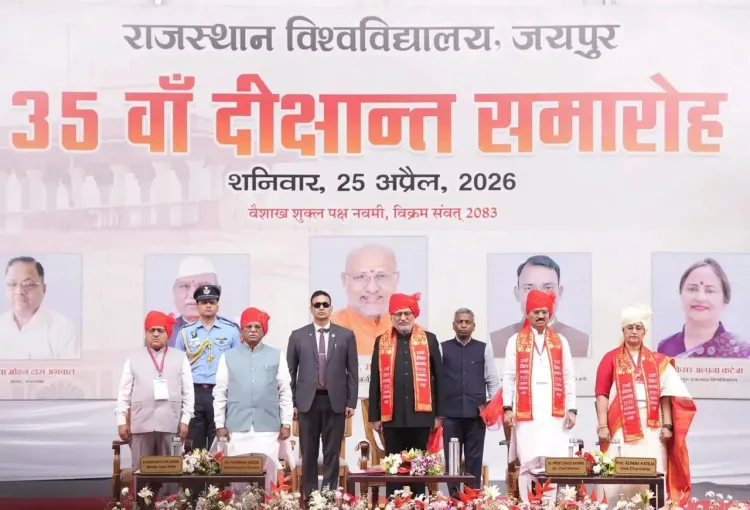
Senior dignitaries present included Governor Haribhau Kisanrao Bagde , Deputy CM Prem Chand Bairwa , and Vice-Chancellor Alpana Kateja .
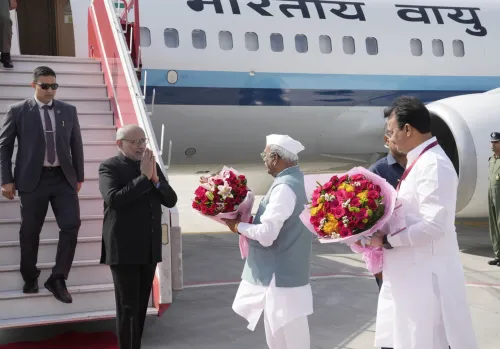
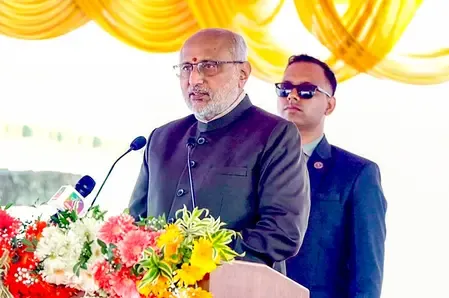
Vice-President C.P. Radhakrishnan on Saturday, April 25, delivered a powerful call to action at the 35th Convocation of the University of Rajasthan in Jaipur, urging graduating students to rise beyond being job-seekers and instead become job creators, innovators, and nation-builders. Addressing hundreds of graduates as the chief guest, he framed education not as a personal achievement but as a national responsibility.
Rajasthan's Heritage Meets the Ambition of a New India
Opening his address, Vice-President Radhakrishnan described Rajasthan as a land defined by rich heritage, bravery, and cultural depth, calling Jaipur a living symbol of tradition coexisting with progress. He noted that the University of Rajasthan, one of India's oldest and most storied institutions, has consistently produced thinkers, leaders, and change-makers who serve society with knowledge and integrity.
He told graduates that a convocation ceremony represents both a conclusion and a fresh beginning — the end of formal education and the start of real-world contribution. "The true value of education," he said, "lies not in the degree itself but in how it is applied — for innovation, ethical conduct, and the betterment of society."
Aatmanirbhar Bharat and the Call for Youth-Led Employment
Invoking the twin national visions of Aatmanirbhar Bharat (Self-Reliant India) and Viksit Bharat (Developed India), the Vice-President urged students to see themselves as employment generators, not passive participants in the job market. This message carries particular weight given that India's youth unemployment rate, according to recent International Labour Organization data, remains a structural challenge despite overall economic growth.
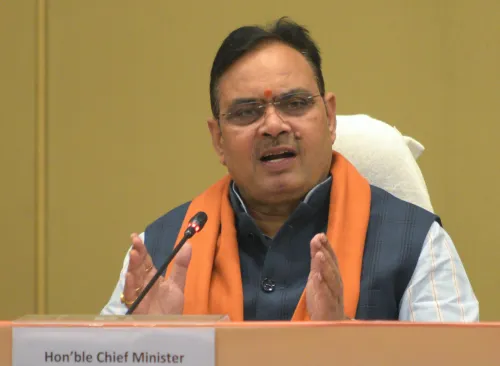
He also commended the Rajasthan government under Chief Minister Bhajan Lal Sharma for its efforts in creating opportunities for young people in the state — a nod to the BJP-led administration's youth-focused policy agenda since coming to power in late 2023.
Women's Empowerment at the Forefront
One of the most emphatic sections of the Vice-President's address focused on women's empowerment. He expressed visible pride in highlighting that a majority of gold medal recipients at the university in recent years have been women — a trend mirrored across several Indian universities and seen as a sign of shifting gender dynamics in higher education.
Radhakrishnan stressed that a truly developed nation cannot be built without ensuring equal opportunity, dignity, and leadership roles for women. He expressed hope that the Nari Shakti Vandan Adhiniyam — the landmark women's reservation bill that reserves 33% of seats in the Lok Sabha and state assemblies for women — would meaningfully enhance female representation in legislative bodies once implemented.
This comes amid ongoing national debate about the timeline for delimitation, which is a prerequisite for the law to take effect, making his remarks both timely and politically significant.
Ethics, Empathy, and the Dangers of the Digital Age
Addressing the complexities of a rapidly evolving world, the Vice-President urged graduates to think critically, act ethically, and embrace lifelong learning. He delivered a memorable line that encapsulated his broader message: "Excellence without empathy and achievement without humility are incomplete."
He also issued a direct advisory to students on personal conduct — urging them to respect diversity, stay away from drugs, and use social media constructively. The warning about social media reflects a growing concern among policymakers about misinformation, mental health impacts, and the misuse of digital platforms among India's youth demographic.
Dignitaries Present and Institutional Significance
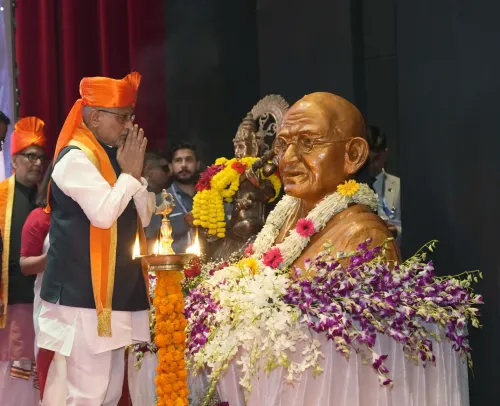
The convocation was attended by several senior dignitaries, including Rajasthan Governor Haribhau Kisanrao Bagde, Deputy Chief Minister Prem Chand Bairwa, Rajya Sabha MP Radha Mohan Das Agrawal, and Vice-Chancellor Alpana Kateja. The presence of such high-ranking officials underscored the institutional importance of the University of Rajasthan, established in 1947 and one of the oldest central universities in western India.
The 35th convocation is a milestone moment for the university as it navigates a rapidly changing academic landscape, balancing its legacy with demands for modern, industry-relevant education. As India pushes toward its 2047 Viksit Bharat centenary goal, the role of universities in producing entrepreneurially-minded, ethically grounded graduates will only grow more critical in the years ahead.
Point of View
Structural job creation remains inadequate, making his 'become a job creator' appeal both aspirational and urgent. His invocation of the Nari Shakti Vandan Adhiniyam is notable given that the law's implementation remains stalled pending delimitation — raising the question of whether such appeals ring hollow without political will to act. The speech ultimately reveals the contradiction at the heart of India's development narrative: world-class ambition, but ground-level delivery still catching up.
NationPress
1 Oct 2026
Frequently Asked Questions
What did VP C.P. Radhakrishnan say at the University of Rajasthan convocation?
Vice-President C.P. Radhakrishnan urged graduating students to become job creators and nation-builders rather than job-seekers, at the 35th convocation of the University of Rajasthan in Jaipur on April 25, 2025. He also emphasized women's empowerment, ethical conduct, and the visions of Aatmanirbhar Bharat and Viksit Bharat.
What is the Nari Shakti Vandan Adhiniyam mentioned by the Vice-President?
The Nari Shakti Vandan Adhiniyam is a landmark Indian law that reserves 33% of seats in the Lok Sabha and state legislative assemblies for women. Its implementation is linked to a future delimitation exercise, and VP Radhakrishnan expressed hope it would boost women's representation in legislative bodies.
Who attended the 35th convocation of the University of Rajasthan?
The convocation was attended by Vice-President C.P. Radhakrishnan as chief guest, along with Rajasthan Governor Haribhau Kisanrao Bagde, Deputy CM Prem Chand Bairwa, Rajya Sabha MP Radha Mohan Das Agrawal, and Vice-Chancellor Alpana Kateja.
What is the significance of the University of Rajasthan's convocation in 2025?
The 35th convocation marks a milestone for one of western India's oldest universities, founded in 1947. It took on added significance with the Vice-President's address linking higher education directly to India's national goals of self-reliance and development by 2047.
What did VP Radhakrishnan say about women graduates at the University of Rajasthan?
VP Radhakrishnan highlighted that a majority of gold medal winners at the University of Rajasthan in recent years have been women, calling it a matter of national pride. He stressed that equal opportunity and leadership roles for women are essential for a truly developed India.