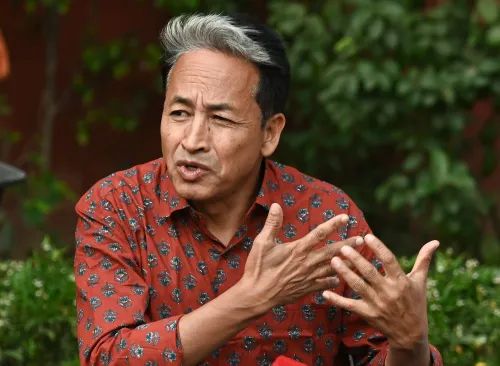
Sonam Wangchuk claims house arrest in Leh over LAHDC winter polls
Synopsis
Sonam Wangchuk says he is surrounded by armed guards at his Leh institute — not just 'advised to stay home' as authorities claim. The trigger: his demand to delay LAHDC polls scheduled in mid-winter December, and his insistence that a judicial inquiry into last year's Leh firing be made public first.
Key Takeaways
Sonam Wangchuk claimed he was placed under house arrest in Leh on 13 November 2026 , with dozens of armed guards surrounding his residence.
Authorities stated he was merely 'advised to stay at home' — a version Wangchuk publicly disputed on X .
The trigger was his demand to postpone LAHDC elections scheduled for 4 December , which he and other local leaders say unfairly excludes residents who leave Ladakh during the extreme winter months.
Wangchuk also demanded the release of a Judicial Enquiry Commission Report into last year's firing incident in Leh , alleging the administration is sidestepping the issue.
He alleged his social media reach on X, Instagram, and YouTube had been significantly suppressed during the protests.
Peaceful dharnas are ongoing, with protesters vowing to continue until their demands are met.
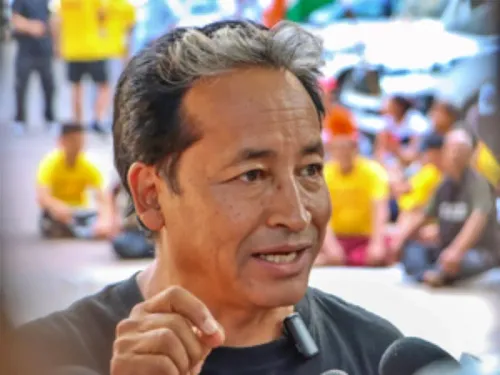
Ladakhi climate activist Sonam Wangchuk on Thursday, 13 November 2026, claimed that authorities had placed him under house arrest at his residence in Leh, hours after he and other regional representatives formally demanded the postponement of the Ladakh Autonomous Hill Development Council (LAHDC) elections, currently scheduled for 4 December. The allegation has reignited debate over democratic rights, administrative accountability, and the appropriateness of holding polls in the region during extreme winter conditions.
What Wangchuk Alleged
Taking to social media platform X, Wangchuk stated that dozens of armed guards had been deployed around his home, directly contradicting the official position that he had merely been 'advised to remain indoors.' In his post, he wrote: 'I AM UNDER HOUSE ARREST. Dozens of armed guards surround my house while the government version says I have been advised to stay at home. All for asking uncomfortable questions like... why is the Judicial Enquiry Commission Report (of last year's killings in Leh) delayed and a phoney Council election is foisted on people with rocket speed in mid-winter.'
He further alleged that his reach on X, Instagram, and YouTube had been drastically suppressed, suggesting broader attempts to limit his voice ahead of the elections.
The Standoff: What Happened on the Ground
In a video message accompanying his X post, Wangchuk recounted that on the previous evening, individuals identifying themselves as police officers — reportedly wearing masks and hoodies — arrived and instructed him not to leave. 'They were wearing masks and hoodies, and they looked more like hooligans than policemen,' he alleged. After Wangchuk indicated he was prepared to be formally arrested, he said the personnel escorted him to his institute, which also houses his residence, and ordered him not to leave the premises.
He maintained that peaceful dharnas had been held and would continue until authorities addressed the protesters' demands, including the release of a judicial inquiry report into last year's firing incident in Leh.
Why the LAHDC Election Timing Is Contested
The administration has notified elections for eight LAHDC seats, with polling set for 4 December. Wangchuk and several local leaders argue that scheduling the vote in mid-winter is fundamentally undemocratic, as plummeting temperatures force a significant portion of the population — including students — to temporarily relocate outside Ladakh during that period. Critics argue the administration is rushing through the electoral process while simultaneously delaying the judicial inquiry into last year's firing, raising questions about accountability and intent.
Broader Context: Ladakh's Prolonged Demands
This latest episode is part of a longer pattern of civic unrest in Ladakh, which has been a Union Territory without a legislature since October 2019. Wangchuk has led several high-profile protests over the years, including hunger strikes and long marches to New Delhi, pressing for statehood, constitutional safeguards under the Sixth Schedule, and greater local autonomy. The unresolved inquiry into last year's firing in Leh adds a fresh layer of urgency to the current protests, with residents alleging that the election announcement is designed to deflect attention from that report.
What Happens Next
With polling day less than three weeks away, pressure on the administration to either reschedule the elections or release the judicial inquiry report is mounting. Wangchuk has indicated that peaceful protests will continue regardless. The situation is being closely watched by civil society groups and opposition leaders, who have called on authorities to engage in dialogue rather than restrict civic voices ahead of a contested electoral exercise.
Point of View
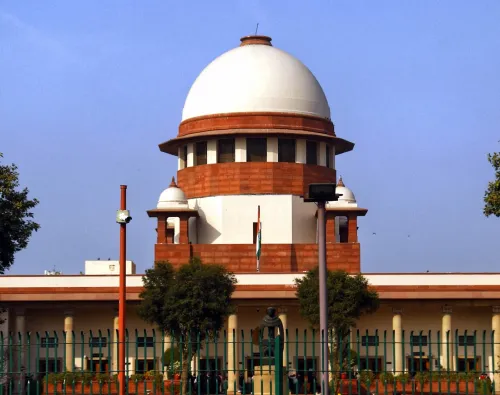
However it is officially characterised, draws far more attention to the grievances than any dharna could. Ladakh's democratic deficit has been an open wound since it became a legislature-less Union Territory in 2019; using election machinery to paper over accountability gaps, critics argue, only deepens it. The Centre's silence on both the inquiry report and the election timing will itself become the story if it persists.
NationPress
13 Nov 2026
Frequently Asked Questions
Why is Sonam Wangchuk claiming house arrest in Leh?
Wangchuk says armed personnel arrived at his residence on 13 November 2026 and prevented him from leaving, after he demanded postponement of the LAHDC elections set for 4 December and the release of a judicial inquiry report into last year's firing in Leh. Authorities have characterised the measure as advice to remain indoors, which Wangchuk has publicly disputed.
Why are Ladakhi leaders opposing the December LAHDC elections?
Local leaders argue that holding elections in mid-winter is undemocratic because extreme cold forces a large portion of Ladakh's population — including students — to temporarily relocate outside the region in December, effectively disenfranchising them. They are demanding the polls be rescheduled to a season when residents can participate.
What is the Judicial Enquiry Commission Report that Wangchuk is demanding?
The report relates to a commission set up to investigate a firing incident in Leh that occurred last year. Wangchuk and protesters allege that the administration has deliberately delayed its release and is using the election announcement to divert public attention from the inquiry's findings.
How many seats are contested in the LAHDC elections?
The administration has notified elections for eight seats in the Ladakh Autonomous Hill Development Council, with polling scheduled for 4 December 2026.
What is Sonam Wangchuk's broader campaign for Ladakh?
Beyond the current election dispute, Wangchuk has led sustained campaigns for statehood for Ladakh, constitutional protections under the Sixth Schedule, and greater local autonomy. The region has been a Union Territory without a legislative assembly since October 2019, and civic unrest over its political status has simmered since then.