Warangal police parade rowdy sheeters on roads in Telangana crackdown
Synopsis
Warangal police marched rowdy sheeters through public streets on 18 May in a high-visibility crackdown — echoing a similar Guntur parade from January. The exercise has reignited a sharp debate: does public shaming deter crime, or does it cross constitutional lines that no police force should overstep?
Key Takeaways
Warangal police paraded rowdy sheeters from Azam Jahi Mills Colony Police Station to Shivnagar on 18 May .
Circle Inspector Ramesh led the march; offenders were subsequently bound over before Tahsildar Iqbal .
A similar parade was held in Guntur, Andhra Pradesh in January , involving around 100 rowdy sheeters who were made to walk barefoot.
Officials say the exercise was aimed at deterring habitual offenders and boosting public confidence in policing.
Civil rights groups have criticised both parades, arguing they violate human rights and exceed lawful police authority.
Warangal police in Telangana paraded habitual offenders — locally termed rowdy sheeters — through public streets on Monday, 18 May, in what officials described as a firm deterrence measure against criminal activity in the town. The march drew attention for its scale and symbolism, even as civil rights groups raised legal objections.
How the Parade Unfolded
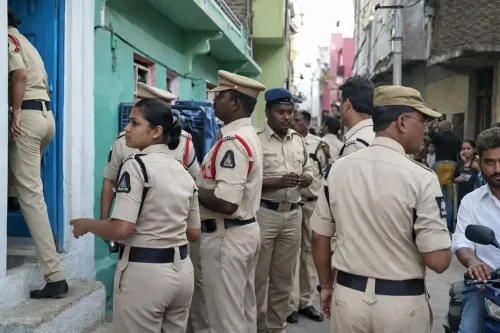
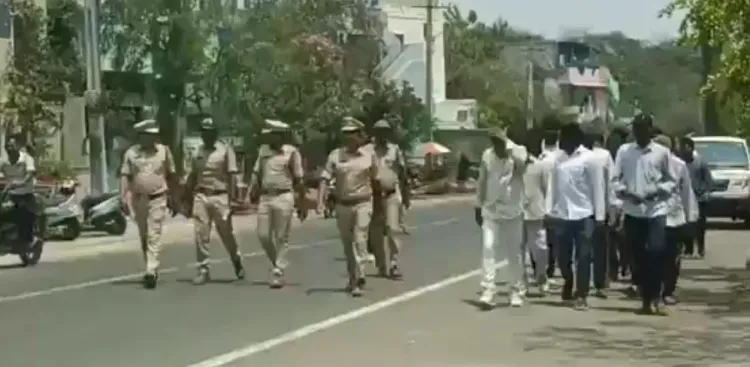
The procession was conducted from Azam Jahi Mills Colony Police Station to Shivnagar, near the Khila Warangal Tahsildar Office, within the subdivision limits. Circle Inspector Ramesh, accompanied by Sub-Inspectors, led the rowdy sheeters on foot under the scorching sun as part of what officials called a strict law enforcement exercise. Police jeeps followed behind as the offenders marched in between personnel, reinforcing the visual message.
Following the parade, the rowdy sheeters were bound over before Khila Warangal Tahsildar Iqbal, completing the formal legal procedure associated with the exercise.
What Officials Said
Police officials stated the initiative was designed to send an unambiguous warning to habitual offenders and to strengthen public confidence in local law enforcement. The action, they said, was aimed at instilling a deterrent effect among those with criminal records operating within the city.
Precedent: The Guntur Parade in January
This is not the first such incident in the region. In January, police in Guntur town in neighbouring Andhra Pradesh organised a similar public parade involving approximately 100 rowdy sheeters and individuals with criminal backgrounds drawn from across the district. Those participants were reportedly made to walk barefoot through the city after an initial counselling session. The Guntur District Superintendent of Police had warned at the time that no offender would be spared, and issued a specific caution against crimes involving harassment or assault on women and girls.
Rights Groups Raise Concerns
The Warangal parade has, however, triggered controversy similar to the backlash that followed the Guntur episode. Civil rights groups have criticised the action, arguing that parading suspects before trial violates fundamental human rights, infringes on personal dignity, and exceeds the legal authority of the police. Critics contend that such displays amount to public shaming without judicial sanction — a practice that sits in a legal grey zone under Indian law.
The debate over whether such parades serve genuine deterrence or cross constitutional boundaries is likely to continue as similar exercises are reported across states.
Point of View
Yet police forces across states continue to deploy the tactic as a visible deterrence tool. What is missing from the official justification is any evidence that such parades reduce recidivism; the deterrence claim rests on optics, not data. The Guntur episode in January drew civil rights criticism and was quietly dropped from the headlines — Warangal risks the same cycle. If Telangana police want lasting impact on organised crime, the answer lies in sustained prosecution rates, not street theatre.
NationPress
20 Sept 2026
Frequently Asked Questions
What happened in the Warangal police rowdy sheeter parade?
Warangal police in Telangana marched habitual offenders, known as rowdy sheeters, through public streets on 18 May from Azam Jahi Mills Colony Police Station to Shivnagar. Circle Inspector Ramesh led the procession, after which the offenders were formally bound over before the local Tahsildar.
Why did Warangal police conduct the public parade?
Officials stated the parade was intended to send a strong deterrent message to habitual offenders and to reinforce public confidence in local law enforcement. Police described it as a strict law enforcement exercise targeting criminal elements in the city.
Has a similar parade been held before in the region?
Yes. In January, police in Guntur, Andhra Pradesh, organised a comparable parade involving approximately 100 rowdy sheeters, who were made to walk barefoot through the city after a counselling session. That event also drew civil rights criticism.
What objections have civil rights groups raised?
Civil rights groups argue that parading suspects before any trial or conviction violates fundamental human rights, infringes on personal dignity, and exceeds the lawful authority of the police. Critics say such public shaming lacks judicial sanction and sits in a constitutional grey zone.
Who are rowdy sheeters?
In Indian police terminology, rowdy sheeters are individuals who have been formally registered in police records as habitual offenders or persons with a history of criminal activity. Being listed as a rowdy sheeter does not constitute a criminal conviction.