West Bengal Foundation Day: Why June 20, 1947 matters more than sentiment
Synopsis
West Bengal's Foundation Day is caught between two visions of identity: the TMC's cultural comfort of Poila Boisakh and the BJP's insistence on June 20, 1947 — the day legislators voted to keep Bengal in India. With PM Modi joining inaugural West Bengal Day events at Tarakeswar, a venue tied to Syama Prasad Mookerjee, the Centre is making a pointed historical argument: painful dates are not to be avoided, but acknowledged.
Key Takeaways
On June 20, 1947 , the Bengal Legislative Assembly voted to partition Bengal, securing West Bengal's inclusion in India rather than Pakistan.
The TMC government designated Poila Boisakh as West Bengal Day via a 2023 Assembly resolution, citing the trauma associated with June 20.
Rabindranath Tagore's 'Banglar Mati Banglar Jol' — composed against the 1905 Partition of Bengal — was adopted as the state anthem in the same resolution.
The BJP and Leader of Opposition Suvendu Adhikari have consistently pushed for June 20 as the official Foundation Day, arguing history cannot be changed.
Prime Minister Narendra Modi will attend West Bengal Day celebrations at Tarakeswar, Hooghly , and later commission naval ships INS Dunagiri , INS Sanshodhak , and INS Agray at Syama Prasad Mookerjee Port, Kolkata .
The debate over West Bengal's Foundation Day cuts to the heart of how a state chooses to remember itself — through cultural comfort or historical truth. At stake is June 20, 1947, the date on which legislators from the non-Muslim majority districts of Bengal voted to partition the province and secure West Bengal's place within the Indian Union, a decision that shaped the destiny of millions on the subcontinent.
The Historical Significance of June 20, 1947
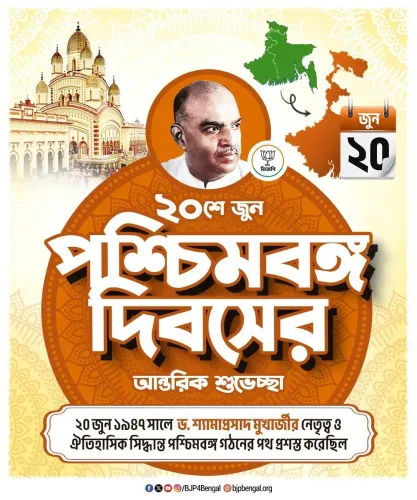
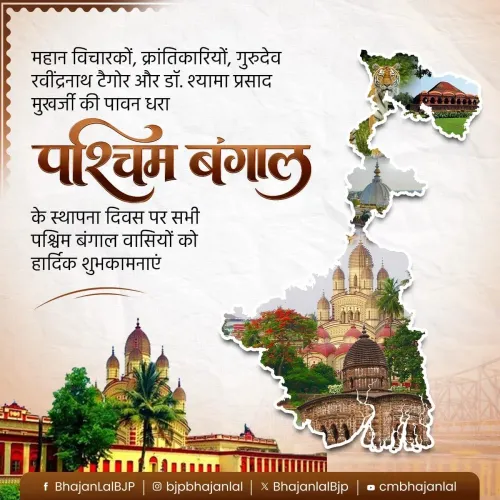
On June 20, 1947, the Bengal Legislative Assembly passed a resolution in favour of partition, ensuring that West Bengal became part of India rather than the newly formed Pakistan. Without that decisive vote, the entirety of Bengal could have acceded to Pakistan. Leaders such as Syama Prasad Mookerjee played a pivotal role in steering this outcome, making the date not merely a calendar entry but the political birth certificate of modern West Bengal.
Historians and constitutional scholars broadly agree that foundation days across India are anchored to political events — not festivals or cultural occasions. June 20 stands as the most historically grounded and nationally consistent choice for West Bengal's state day, aligning the anniversary with the actual moment the state's modern identity was forged.
The Trinamool Congress Position and the 2023 Assembly Resolution
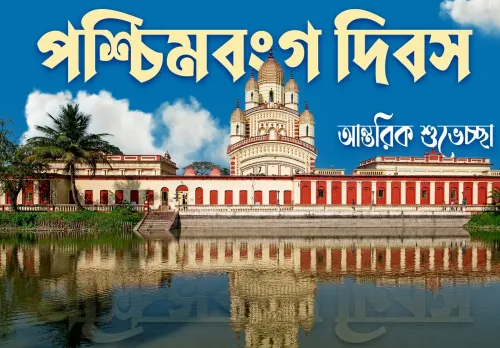
The Mamata Banerjee-led All India Trinamool Congress (TMC) has long resisted designating June 20 as the official Foundation Day, arguing that the date is a painful reminder of the trauma, displacement, and communal violence that accompanied the Partition of Bengal. Instead, the TMC government chose 'Poila Boisakh' — the first day of the Bengali calendar — to observe 'Paschim Banga Divas', or West Bengal Day, citing its deep cultural resonance.
In 2023, a resolution was introduced in the Bengal Legislative Assembly to formalise both a state anthem and a state day. Rabindranath Tagore's composition 'Banglar Mati Banglar Jol' (Bengal's soil, Bengal's water) was adopted as the state anthem — a song notably composed in protest against Lord Curzon's first Partition of Bengal in 1905. Poila Boisakh was designated West Bengal Day.
The BJP's Counter-Argument
The Bharatiya Janata Party (BJP) has consistently rejected the TMC's framing. Shortly after assuming office, Leader of Opposition Suvendu Adhikari formally proposed that June 20 be recognised as West Bengal's Foundation Day. "You cannot change history," he said, arguing that the cultural significance of Poila Boisakh, while genuine, does not substitute for the political fact of the state's birth. Under the previous TMC government, the BJP had already proposed June 20 as Foundation Day, only for it to be rejected on the grounds that it evoked painful memories.
The BJP's position is that foundation days are not meant to erase or ignore pain — they exist to acknowledge history. West Bengal's identity, the party contends, cannot be separated from the events of June 20, 1947, however difficult those events were.
PM Modi at Tarakeswar: Inaugural Celebrations and Naval Commissioning
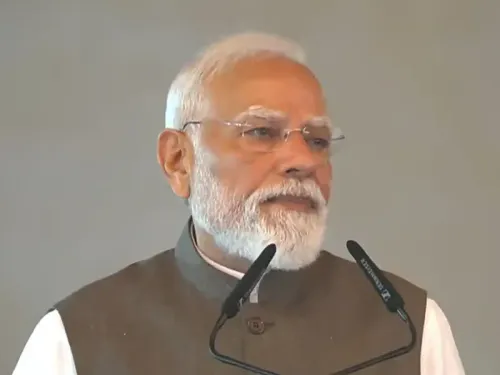
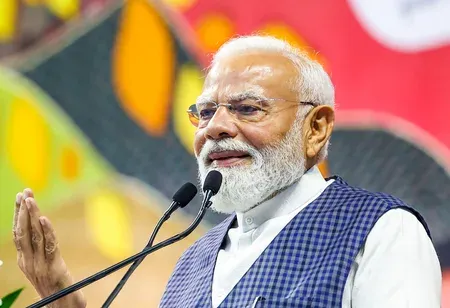
This year, Prime Minister Narendra Modi will personally participate in the West Bengal Day celebrations at Tarakeswar in Hooghly district — a venue carrying symbolic weight, as Syama Prasad Mookerjee once led a conference there connected to Bengal's partition. The Prime Minister is set to launch, dedicate to the nation, and lay the foundation stone of multiple development projects in the state under the theme 'West Bengal: Heritage, Harmony and Development'.
On Sunday evening, Prime Minister Modi will also participate in the 12th International Yoga Day celebration in Kolkata. Later that night, he will commission three indigenously designed and built naval vessels — INS Dunagiri, INS Sanshodhak, and INS Agray — at Syama Prasad Mookerjee Port in Kolkata, adding a note of national pride to the occasion.
Sentiment vs History: What the Debate Reveals
The contest between Poila Boisakh and June 20 is ultimately a contest between cultural sentiment and historical fact. Poila Boisakh is deeply meaningful to Bengali identity, but it is a festival — not a founding moment. The song chosen as state anthem, Tagore's 'Banglar Mati Banglar Jol', was itself born from the pain of the 1905 Partition, demonstrating that Bengali cultural expression has never shied away from difficult history.
Foundation days, by their very nature, mark turning points — not always comfortable ones. The date is significant not because it is painless, but because it is true. How West Bengal ultimately resolves this question will say much about whether the state chooses to face its history or curate it.
Point of View
Gujarat's May 1, Telangana's June 2 — none of them chosen for being painless. The choice of Poila Boisakh, however culturally rich, sets a precedent that sentiment can override fact in official state memory. Notably, the state anthem the same 2023 resolution adopted — Tagore's protest song against the 1905 Partition — is itself rooted in the very pain the TMC claims to be shielding. That contradiction is hard to reconcile. PM Modi's decision to mark the occasion at Tarakeswar, a site linked to Syama Prasad Mookerjee, is a deliberate historical signal — and one that mainstream coverage has underplayed.
NationPress
19 Sept 2026
Frequently Asked Questions
Why is June 20, 1947 significant for West Bengal?
On June 20, 1947, legislators from the non-Muslim majority districts of Bengal voted in the Bengal Legislative Assembly to partition the province, ensuring West Bengal became part of India rather than Pakistan. Without this vote, the entire region could have joined Pakistan, making the date the political birth of the modern state of West Bengal.
Why does the TMC observe Poila Boisakh as West Bengal Day instead of June 20?
The Mamata Banerjee-led TMC government argues that June 20, 1947 is a painful reminder of the trauma, displacement, and communal violence of the Partition and should not be celebrated as a founding day. In 2023, a Bengal Assembly resolution formalised Poila Boisakh — the first day of the Bengali calendar — as West Bengal Day, citing its cultural and heritage significance.
What is the BJP's position on West Bengal's Foundation Day?
The BJP consistently argues that June 20, 1947 is the historically accurate and constitutionally grounded Foundation Day for West Bengal, as it marks the actual political birth of the state. Leader of Opposition Suvendu Adhikari has formally proposed this date, stating that history cannot be changed regardless of the pain associated with it.
Where will PM Modi celebrate West Bengal Day and what will he do?
Prime Minister Narendra Modi will participate in West Bengal Day celebrations at Tarakeswar in Hooghly district, a venue symbolically linked to Syama Prasad Mookerjee. He will launch and lay the foundation stone of multiple development projects. On Sunday evening, he will attend the 12th International Yoga Day in Kolkata and later commission INS Dunagiri, INS Sanshodhak, and INS Agray at Syama Prasad Mookerjee Port.
Who was Syama Prasad Mookerjee and why is he central to this debate?
Syama Prasad Mookerjee was a key political leader who played a pivotal role in securing West Bengal's inclusion in India during the 1947 Partition. His efforts in mobilising support for the Bengal Legislative Assembly's partition vote are considered decisive. The venue of PM Modi's West Bengal Day event — Tarakeswar — was also the site of a conference Mookerjee once led on Bengal's partition, making his legacy central to the BJP's historical framing.