Bhupender Yadav addresses IFS probationers at FRI Dehradun
Synopsis
Union Environment Minister Bhupender Yadav addressed the convocation of the 2024-26 Indian Forest Service probationers at FRI Dehradun on 1 August 2026, linking their careers to PM Modi's Viksit Bharat 2047 vision and calling for commitment to conservation and sustainability.
Key Takeaways
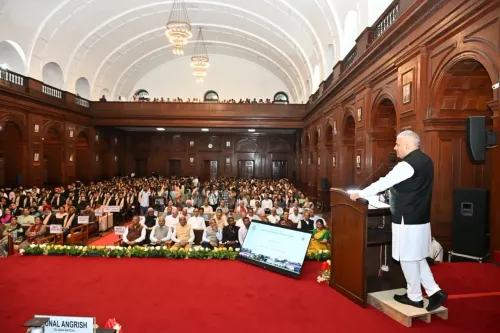
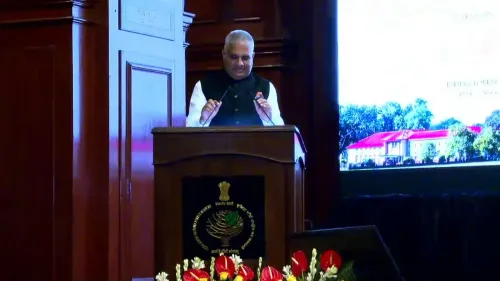
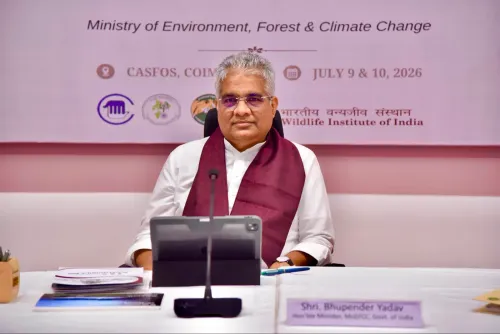
Union Environment Minister Bhupender Yadav addressed the convocation of the 2024–26 IFS probationer batch at Forest Research Institute, Dehradun on 1 August 2026 .
He linked the officers' careers to PM Narendra Modi's Viksit Bharat 2047 vision, calling them future leaders of a developed India.
The minister stressed commitment, integrity, and service as core values for strengthening India's conservation efforts.
The Indian Forest Service is an All India Service responsible for forest management, wildlife protection, and conservation across India.
The address reflects the government's strategy of embedding long-term national goals into civil service training and institutional culture.
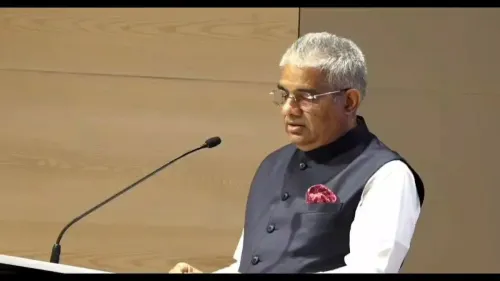
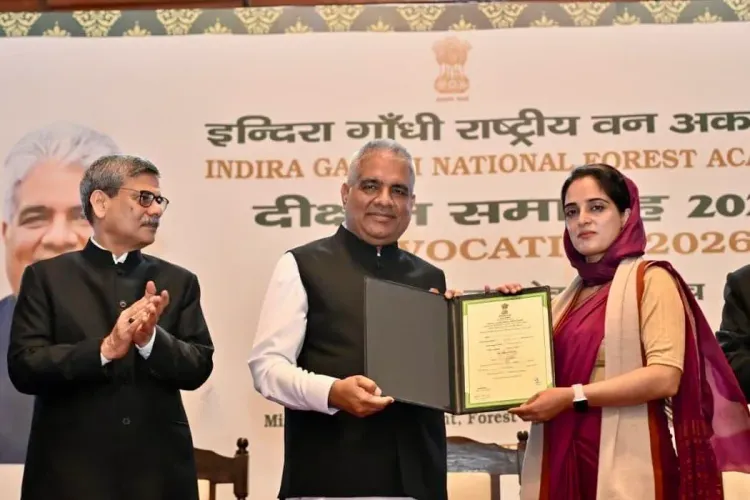
India's next generation of forest guardians received their charge on Saturday, 1 August 2026 — and the man delivering it made the stakes unmistakably clear. Union Environment Minister Bhupender Yadav addressed the Convocation Ceremony of the 2024–26 batch of Indian Forest Service (IFS) probationers at the Forest Research Institute (FRI) campus in Dehradun, welcoming the young officers into one of the country's most consequential services.
Officers of 2026, architects of 2047
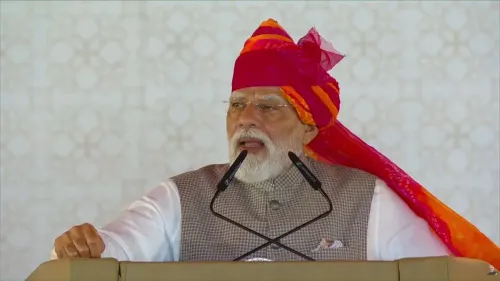
Yadav framed the moment in the sweep of national history. The officers completing their training today, he said, 'will be the leaders of the Viksit Bharat of 2047' — Prime Minister Narendra Modi's vision of a developed India at the centenary of independence. It is a deliberate rhetorical move the government has used consistently: anchoring the careers of incoming civil servants to a long-horizon national goal, making every posting feel like a chapter in a larger story.
The minister congratulated the probationers as they embark on careers dedicated to protecting India's forests, wildlife, and natural heritage, and stressed that their commitment, integrity, and spirit of service would strengthen the nation's conservation efforts and contribute to 'a greener, more sustainable future.'
Why FRI Dehradun is the right place for this message
The Forest Research Institute in Dehradun is not incidental scenery — it is the institutional backbone of IFS training, the place where forest officers have been shaped for decades. Hosting the convocation here ties the ceremony to a long lineage of conservation leadership. The Indian Forest Service, as an All India Service, carries statutory responsibility for forest management and wildlife protection across the country, making each new batch of probationers a direct multiplier of whatever policy direction the Environment Ministry sets.
Successive governments have used IFS convocations to signal conservation priorities, but the current administration has been deliberate about coupling these addresses to the Viksit Bharat 2047 framework — positioning ecological stewardship not as a constraint on development but as a pillar of it.
Capacity building as conservation strategy
The address reflects a broader pattern: the Ministry of Environment, Forest and Climate Change has increasingly emphasised officer capacity and institutional culture as levers for long-term environmental outcomes. Training pipelines, field readiness, and the ethos instilled at institutions like FRI are treated as policy instruments in their own right — not just administrative routine.
For the 2024–26 batch, the road ahead runs through India's most contested ecological frontiers: tiger reserves, coastal regulation zones, climate-vulnerable Himalayan forests, and urban green corridors under pressure from rapid development. The minister's call for integrity and service is less ceremonial than it sounds — these are the officers who will make daily decisions that determine whether India's biodiversity commitments translate from policy documents into protected ground.
The baton has been passed. What the class of 2026 does with it will be legible by 2047.
Point of View
And the environment portfolio is no exception. By positioning IFS officers as architects of that future, Yadav signals that ecological governance is being reframed as a development enabler rather than a regulatory brake. The emphasis on officer integrity also carries a quiet subtext: forest bureaucracies have historically been vulnerable to capture by extractive interests, and invoking values at the point of entry is a soft institutional safeguard. Whether the rhetoric translates into structural reforms in forest governance remains the sharper question.
NationPress
15 Sept 2026
Frequently Asked Questions
What is the Indian Forest Service and what do IFS officers do?
The Indian Forest Service (IFS) is one of India's three All India Services. IFS officers are responsible for managing forest resources, protecting wildlife, enforcing forest laws, and implementing conservation and afforestation programmes across the country.
What is the Forest Research Institute in Dehradun?
The Forest Research Institute (FRI) in Dehradun is a premier institution under the Indian Council of Forestry Research and Education. It serves as the principal training ground for Indian Forest Service probationers and conducts research in forestry, ecology, and related sciences.
What is Viksit Bharat 2047?
Viksit Bharat 2047 is Prime Minister Narendra Modi 's long-term national vision to make India a fully developed nation by 2047 , marking the centenary of independence. It encompasses goals across economic growth, infrastructure, social development, and sustainability.
Who is Bhupender Yadav?
Bhupender Yadav is India's Union Minister of Environment, Forest and Climate Change and a senior leader of the Bharatiya Janata Party (BJP). He oversees national forest policy, wildlife protection, climate commitments, and environmental regulation.
Why does the government address IFS probationers at convocation?
Convocation addresses by senior ministers are used to set the tone for incoming officers, communicate policy priorities, and align the forest bureaucracy's ethos with broader national goals. The government has increasingly used such events to link IFS careers to the Viksit Bharat 2047 framework.