Tejashwi Yadav Critiques Bihar Government's Handling of Poverty and Corruption
Synopsis
In a recent address, Tejashwi Yadav of the RJD sharply criticized the Nitish Kumar-led Bihar government for its inadequate response to poverty, crime, and corruption, asserting that these issues disproportionately impact the state's vulnerable populations.
Key Takeaways
Tejashwi Yadav criticized the Bihar government's handling of poverty.
He highlighted ongoing issues of crime and corruption .
Yadav called for better support for marginalized communities.
He emphasized the need for administrative efficiency.
Unemployment and recruitment irregularities were also major points of concern.
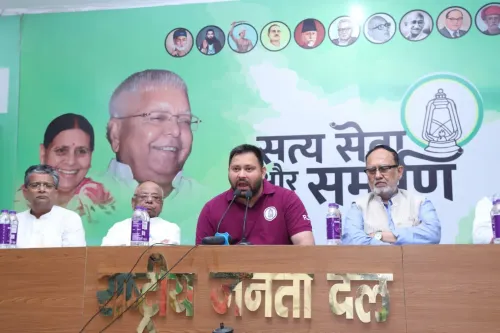
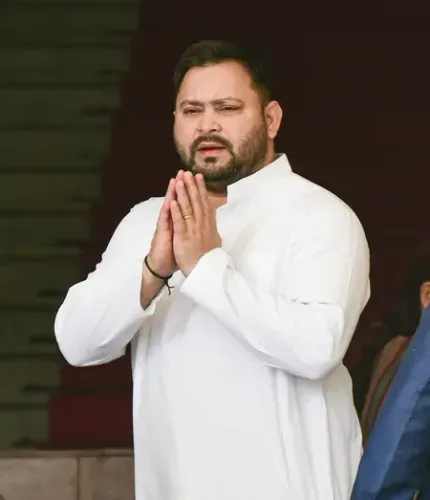
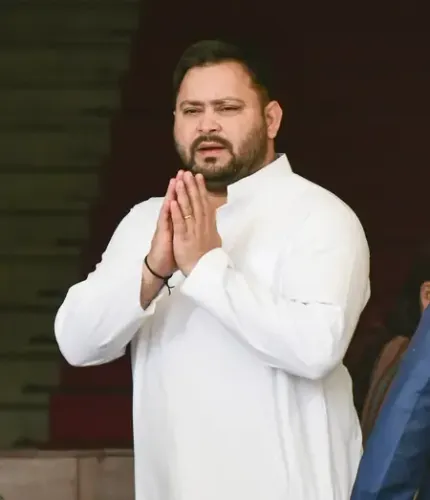
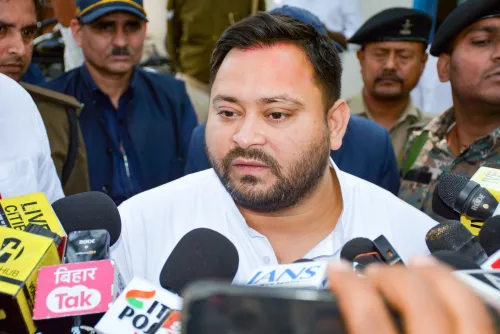
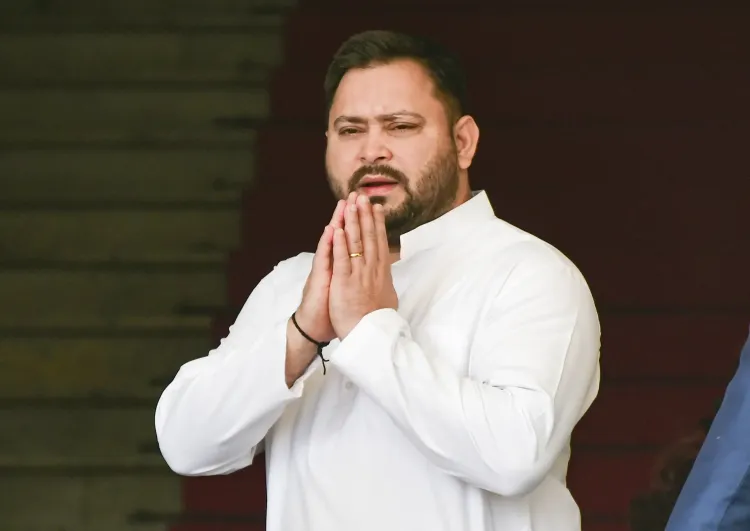
Patna, Feb 23 (NationPress) Tejashwi Yadav, leader of the Rashtriya Janata Dal (RJD), openly condemned the Bihar government led by Nitish Kumar on Sunday, claiming it has failed to tackle issues like poverty, crime, corruption, and unemployment in the state.
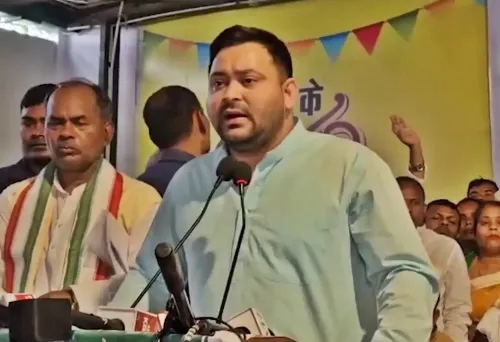
Speaking at a gathering in Patna during the celebration of Sant Ravidas Jayanti, Yadav accused the authorities of ignoring the challenges faced by the marginalized and underprivileged communities.
He asserted that the current administration's policies negatively impact the economically disadvantaged and emphasized that insufficient support is being provided to the vulnerable.
“This government lacks compassion for the poor and fails to act in their favor,” he stated while addressing the audience.
Yadav also invoked the teachings of Sant Ravidas, encouraging the youth to draw inspiration from his life and philosophies.
He raised concerns about the pervasive nature of corruption in government offices, where citizens often struggle to access essential services unless they pay bribes.
Moreover, he pointed out that despite the existence of prohibition laws, the illegal liquor trade continues unabated, with law enforcement frequently targeting economically weaker sections.
On the issue of unemployment, Yadav highlighted irregularities in recruitment practices, claiming that deserving candidates are systematically denied opportunities.
He criticized the state’s healthcare and education systems, alleging significant shortcomings in public service provision.
Reflecting on his time as Deputy Chief Minister, Yadav noted that job opportunities were generated during that period, including teacher recruitments.
He accused the current government of lacking administrative effectiveness and suggested that governance decisions are often swayed by political interests.
Yadav called out the ruling coalition, asserting that political and administrative actions are not being executed independently.
He stated that issues surrounding governance, employment, and public welfare will remain focal points leading up to future political events in the state.
Point of View
Tejashwi Yadav's statements reflect significant concerns regarding the governance in Bihar. His critique underscores ongoing issues like poverty and corruption, which resonate with many citizens, particularly those from marginalized backgrounds. The political landscape in Bihar continues to evolve, with these topics likely to influence future developments.
NationPress
6 Oct 2026
Frequently Asked Questions
What are the main issues raised by Tejashwi Yadav?
Tejashwi Yadav highlighted issues of poverty, crime, corruption, and unemployment as critical failures of the Bihar government.
What event was Tejashwi Yadav speaking at?
He spoke at a program marking Sant Ravidas Jayanti in Patna.
What did Yadav say about the government's support for the poor?
He alleged that the government shows no sympathy for the poor and is not working in their interests.
How does Yadav view the current government's policies?
He believes the current policies adversely affect economically weaker sections of society.
What did Yadav suggest about the future political landscape in Bihar?
He indicated that issues related to governance and public welfare will remain at the forefront of political discussions.