Bhupender Yadav Meets Denmark Minister at COP31 in Antalya
Synopsis
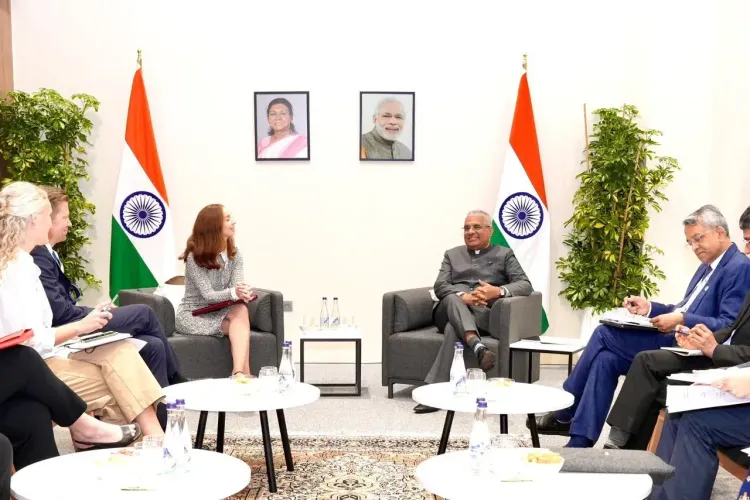
Union Environment Minister Bhupender Yadav met Denmark's Climate Minister Samira Nawa at COP31 in Antalya, reviewing the India-Denmark Green Strategic Partnership launched in 2020 and its Joint Action Plan running through 2026 — with the bilateral roadmap now in its final year.
Key Takeaways
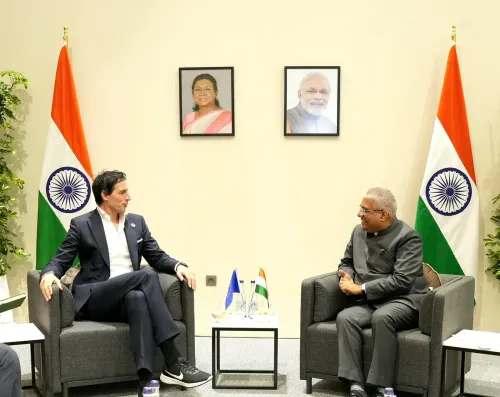
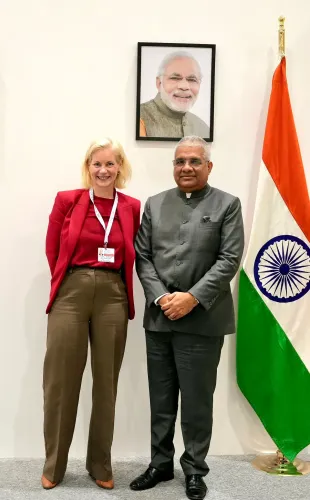
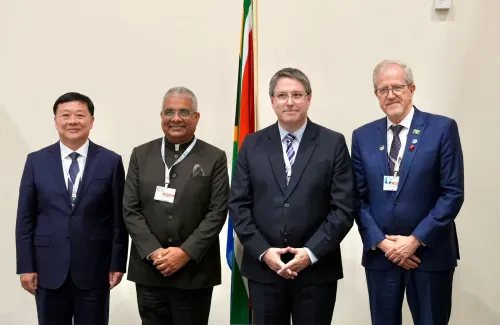
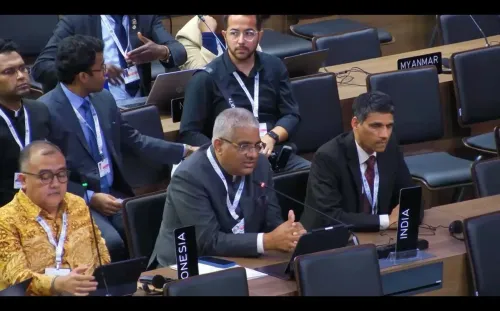
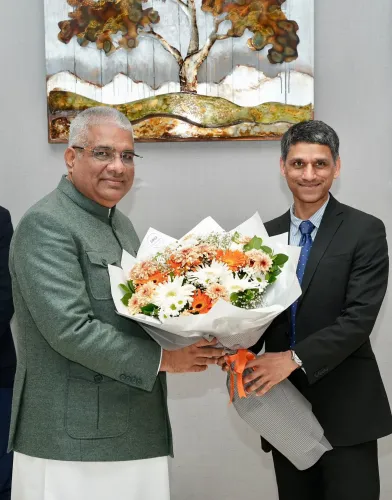
Union Environment Minister Bhupender Yadav met Denmark's Minister Samira Nawa on the sidelines of COP31 in Antalya, Türkiye on 19 November 2026 .
Discussions covered both ongoing COP31 negotiations and the state of the bilateral India-Denmark Green Strategic Partnership .
The Green Strategic Partnership was launched in 2020 , with a Joint Action Plan covering 2021–2026 as its operational roadmap.
The Joint Action Plan spans renewable energy, green hydrogen, and sustainable urban development cooperation.
With 2026 as the plan's final year, the meeting raises immediate questions about a possible review or successor framework.
India consistently uses COP sidelines for targeted bilateral green diplomacy with European partners.
On the sidelines of COP31 in Antalya, Türkiye, Union Environment Minister Bhupender Yadav sat down with Denmark's Minister for Climate, Energy and Utilities, Samira Nawa — turning the margins of the world's biggest climate summit into a focused bilateral session on one of India's most substantive green partnerships.
The meeting covered two interlocking frameworks: the Green Strategic Partnership, launched jointly by India and Denmark in 2020, and the Joint Action Plan (2021–2026), the five-year roadmap that translates the partnership's ambitions into sector-specific cooperation on renewable energy, green hydrogen, and sustainable urban development. Beyond ongoing COP31 negotiations, the two ministers used the encounter to take stock of where that roadmap stands — with the plan entering its final year in 2026, the timing is pointed.
What the India-Denmark Green Strategic Partnership Covers
When India and Denmark formalised the Green Strategic Partnership in 2020, they were signalling something beyond a standard diplomatic agreement. Denmark brings decades of wind-energy leadership and among the most ambitious national climate targets in the world. India brings scale — the world's third-largest energy consumer and a country that has staked its international credibility on a rapid clean-energy build-out. The partnership stitches those complementary assets together, with the Joint Action Plan providing the operational blueprint across sectors from offshore wind to green ammonia.COP31's Sideline Diplomacy and India's Bilateral Pattern
India has consistently used COP sessions not just as multilateral negotiating arenas but as concentrated windows for bilateral green diplomacy — advancing technology-cooperation deals and investment conversations in the same week as the main plenary sessions. The meeting with Minister Nawa fits squarely into that pattern, reinforcing that New Delhi sees European partnerships as essential accelerants for its own energy-transition targets. With the 2021–2026 Joint Action Plan approaching its terminal year, discussions on a possible mid-term review or successor framework carry immediate practical stakes — not just diplomatic optics. As COP31 draws the world's climate negotiators to Antalya, India's engagement with Denmark is a reminder that the deals shaping the energy future are often quietly assembled in the corridors — not just on the plenary floor.Point of View
Bilateral engagements at COP carry a dual purpose: they reinforce India's credibility as a constructive multilateral actor while advancing concrete technology and investment pipelines at home. Denmark's wind and green-hydrogen expertise maps directly onto sectors where India has set ambitious public targets, making the partnership strategically non-trivial. The question entering 2027 will be whether the two sides agree a successor framework with expanded scope — or allow the momentum to dissipate.
NationPress
20 Nov 2026
Frequently Asked Questions
What is the India-Denmark Green Strategic Partnership?
The India-Denmark Green Strategic Partnership is a bilateral framework launched in 2020 to deepen cooperation on climate action, clean energy and green technology transition between the two countries.
What is the India-Denmark Joint Action Plan 2021-2026?
The Joint Action Plan (2021–2026) is the five-year implementation roadmap under the Green Strategic Partnership, covering specific cooperation areas such as renewable energy, green hydrogen, and sustainable urban development.
Where is COP31 being held?
The 31st session of the UN Climate Conference (COP31) is being held in Antalya, Türkiye .
Why does India hold bilateral meetings at COP sessions?
India uses the sidelines of COP summits as a concentrated diplomatic window to advance technology-cooperation deals and green investment discussions with partner countries, complementing its multilateral negotiating positions on the main floor.