Bhupender Yadav meets German envoy minister at CBD COP17
Synopsis
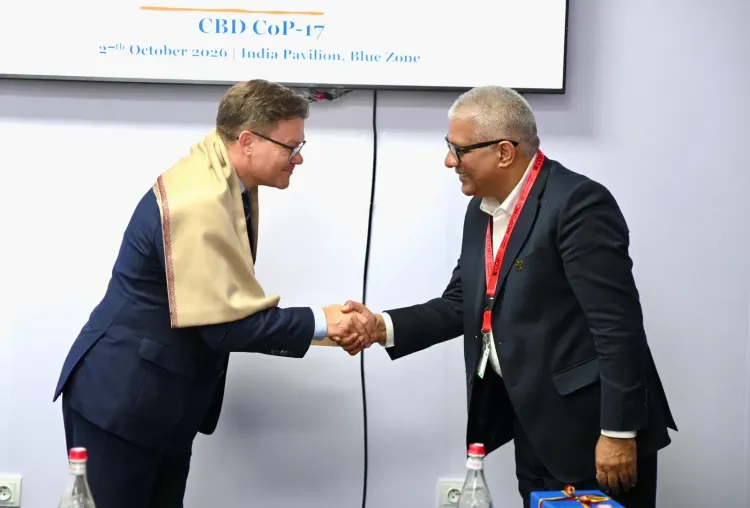
Union Environment Minister Bhupender Yadav met German Federal Minister Carsten Schneider at CBD COP17 in Yerevan on October 27, reviewing the bilateral wetlands Joint Declaration of Intent from the 4th Indo-German Environment Forum and discussing climate adaptation and finance ahead of UNFCCC COP31.
Key Takeaways
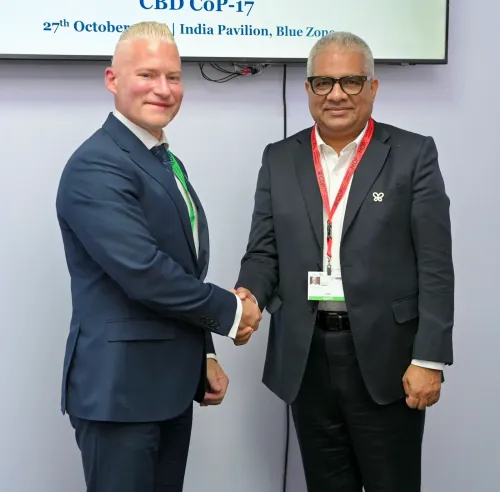
Bhupender Yadav met Carsten Schneider , German Federal Environment Minister, on October 27 at CBD COP17 in Yerevan, Armenia .
The two sides reviewed the Joint Declaration of Intent on conservation and wise use of wetlands signed as a follow-up to the 4th Indo-German Environment Forum in New Delhi.
Discussions also covered climate adaptation , international climate finance , and bilateral cooperation ahead of UNFCCC COP31 .
The meeting used the sidelines of a multilateral biodiversity summit to advance the bilateral India-Germany environmental agenda simultaneously.
India and Germany maintain structured bilateral cooperation through the recurring Indo-German Environment Forum series.
On the sidelines of one of the world's most consequential biodiversity summits, Union Environment Minister Bhupender Yadav sat down with German Federal Minister Carsten Schneider in Yerevan, Armenia on Tuesday, October 27 — turning the margins of CBD COP17 into a working session on wetlands, climate finance, and the road to the next major UN climate summit.
Wetlands declaration at the centre of the conversation
The meeting picked up a thread from New Delhi. Yadav and Schneider reviewed the Joint Declaration of Intent on conservation and wise use of wetlands — a bilateral commitment that emerged from the recently concluded 4th Indo-German Environment Forum held in New Delhi. That forum is a structured, recurring platform through which India and Germany coordinate on environmental priorities; this latest meeting served as a first formal stocktake of the wetlands pledge.
Wetlands sit at an uncomfortable intersection of biodiversity loss and climate vulnerability — they store carbon, buffer floods, and sustain freshwater systems. A bilateral declaration on their conservation, reviewed in real time at a multilateral biodiversity summit, signals that both countries intend to move from statement to implementation.
Climate finance and COP31 on the table
Beyond wetlands, the two ministers turned the discussion toward the future. Yadav confirmed they 'deliberated upon matters related to climate adaptation, international climate finance and cooperation in the run-up to UNFCCC COP31' — the upcoming 31st Conference of the Parties to the UN Framework Convention on Climate Change, which now looms as the next major deadline for global climate commitments.
International climate finance has been among the sharpest pressure points in recent UN climate negotiations, with developing nations pressing developed economies for greater, more predictable flows of adaptation funding. India-Germany conversations on this front carry weight: Germany is one of Europe's largest bilateral climate finance contributors, and India is one of the world's most climate-exposed major economies.
Bilateral diplomacy embedded in multilateral architecture
The encounter in Yerevan reflects a deliberate Indian diplomatic pattern — using the margins of large multilateral gatherings to advance bilateral agendas simultaneously. CBD COP17 draws environment ministers from across the globe to Armenia's capital, compressing months of potential bilateral contact into days. Yadav's meeting with Schneider is a direct example of that calculus at work.
India and Germany's structured environmental cooperation — anchored by the Indo-German Environment Forum series — gives these conversations an institutional backbone that outlasts any single meeting. The wetlands declaration now on review is a product of that architecture, and whatever joint positions emerge ahead of COP31 will likely flow through the same channel.
The next test is whether the wetlands declaration translates into on-ground action — and whether the climate finance alignment forged in Yerevan holds when the hard bargaining begins at COP31.
Point of View
Suggesting that structured institutional platforms, not one-off meetings, are driving the substance of this partnership. With climate finance likely to be the most contested issue at UNFCCC COP31, early alignment with a major European contributor like Germany is a calculated move by New Delhi. The Yerevan conversation sets a baseline for the positions both countries may bring to the COP31 table.
NationPress
27 Oct 2026
Frequently Asked Questions
What is CBD COP17 and where is it being held?
CBD COP17 is the 17th Conference of the Parties to the Convention on Biological Diversity, being held in Yerevan, Armenia . It is a major international summit where nations review progress on global biodiversity commitments.
What is the Indo-German Joint Declaration of Intent on wetlands?
It is a bilateral agreement between India and Germany on the conservation and wise use of wetlands, reviewed as a follow-up to the 4th Indo-German Environment Forum held in New Delhi.
What is UNFCCC COP31 and why is India-Germany coordination important?
UNFCCC COP31 is the upcoming 31st Conference of the Parties to the UN Framework Convention on Climate Change. India-Germany coordination is significant because Germany is a major bilateral climate finance contributor and India is among the world's most climate-exposed major economies.
What is the Indo-German Environment Forum?
The Indo-German Environment Forum is a recurring bilateral platform through which India and Germany coordinate on environmental priorities including biodiversity, wetlands, and climate. Its 4th edition was recently held in New Delhi .
What did Bhupender Yadav discuss at CBD COP17?
Union Environment Minister Bhupender Yadav discussed the India-Germany wetlands Joint Declaration of Intent , climate adaptation, international climate finance, and cooperation ahead of UNFCCC COP31 with German Minister Carsten Schneider on the sidelines of CBD COP17 in Yerevan.