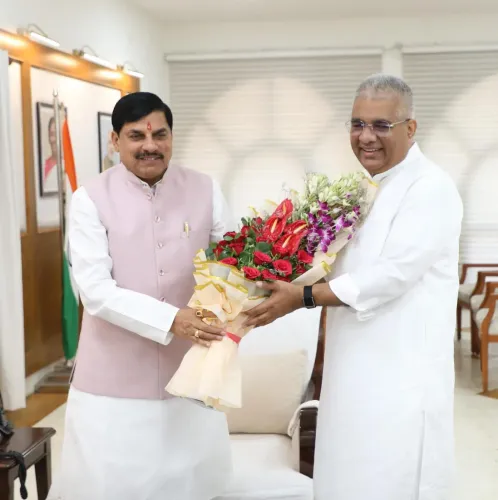
Yadav answers Rajya Sabha questions on biodiversity parks and Miyawaki gardens
Synopsis
Union Environment Minister Bhupender Yadav answered questions in the Rajya Sabha on 30 July 2026 on the government's biodiversity parks and Miyawaki gardens initiatives, bringing parliamentary scrutiny to India's urban greening agenda.
Key Takeaways
Union Environment Minister Bhupender Yadav addressed the Rajya Sabha on 30 July 2026 on biodiversity parks and Miyawaki gardens.
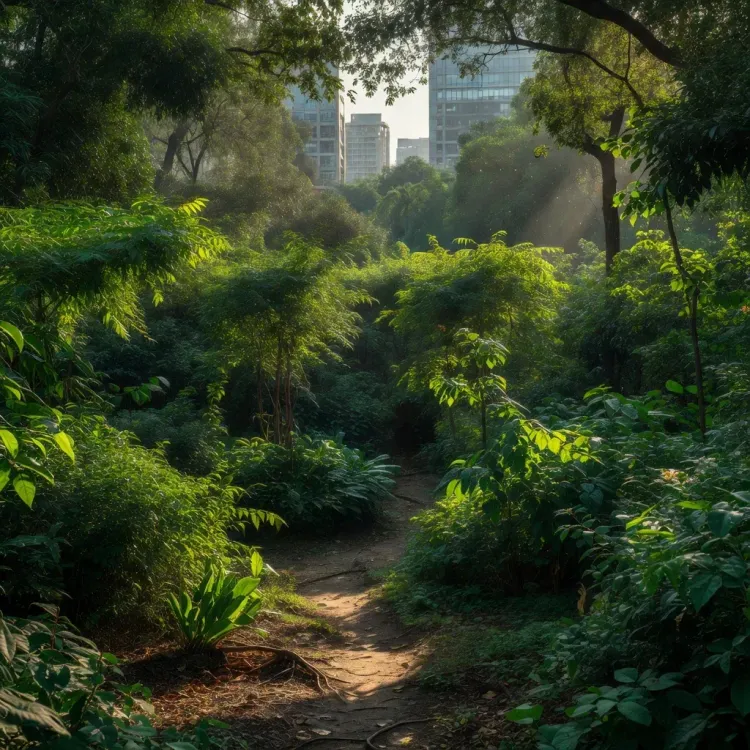
The Miyawaki method uses dense native-species planting to create rapid urban mini-forests.
The Nagar Van Yojana , launched in 2020 , is the central scheme driving Miyawaki plantations and urban forests across Indian cities.
Biodiversity parks are promoted by the Ministry of Environment, Forest and Climate Change to restore urban ecosystems and native species.
Parliamentary question hours provide formal oversight of the ministry's progress, funding, and implementation on these urban greening schemes.
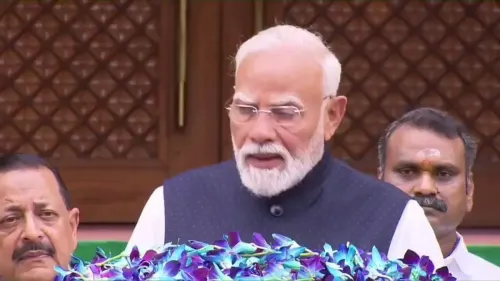
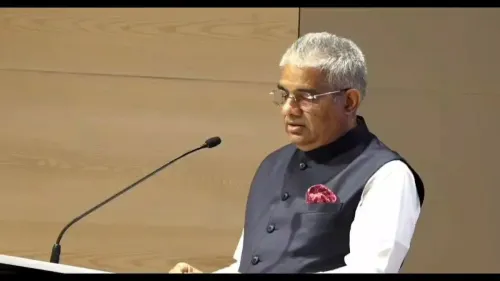
Urban greening took centre stage in Parliament on Thursday, 30 July 2026, as Union Environment Minister Bhupender Yadav faced questions in the Rajya Sabha on two of India's most visible city-nature initiatives — biodiversity parks and Miyawaki gardens.
Minister Yadav's appearance in the Upper House for this question hour is part of routine parliamentary oversight of the Ministry of Environment, Forest and Climate Change, but the subject matter is anything but routine. Biodiversity parks and Miyawaki plantations sit at the intersection of India's urban expansion and its climate commitments — green interventions in the concrete sprawl of Indian cities.
What are Miyawaki gardens and why does Parliament care?
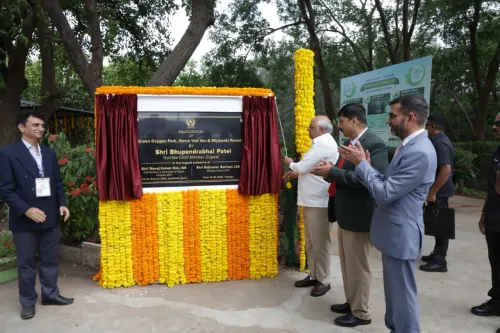
The Miyawaki method — pioneered by Japanese botanist Akira Miyawaki — involves planting dense clusters of native species to create fast-growing, self-sustaining mini-forests. In Indian cities, these have been promoted under the Nagar Van Yojana, launched in 2020 by the Environment Ministry, which aims to develop urban forests including Miyawaki plantations across municipal limits nationwide. Municipal bodies and urban residents are the primary stakeholders — and the primary beneficiaries. Biodiversity parks, meanwhile, are larger, ecosystem-focused green spaces developed to restore native flora and fauna within city boundaries. The Ministry has championed these alongside state agencies as a tool against pollution, habitat loss, and the urban heat island effect.Parliament's oversight role on urban greening
Questions in the Rajya Sabha give opposition and ruling-party members alike a formal channel to demand progress reports, funding details, and implementation data from the government. The Environment Ministry's urban greening portfolio — spanning the Nagar Van Yojana and biodiversity park initiatives — has grown significantly as India scales up its nature-based climate commitments. Parliamentary scrutiny of these schemes ensures accountability on targets and expenditure. India's push to expand green cover in cities is tied directly to its broader climate goals and international biodiversity commitments. Every Miyawaki patch and every restored biodiversity park is a data point in that larger story — and Parliament is where that data gets tested. The specifics of what Minister Yadav disclosed on the floor of the House on 30 July will shape the next round of questions.Frequently Asked Questions
What are Miyawaki gardens in India?
Miyawaki gardens in India are dense urban plantations using the Japanese Miyawaki method, which packs native plant species together to create fast-growing, self-sustaining mini-forests. They have been promoted under India's Nagar Van Yojana scheme launched in 2020.
What is the Nagar Van Yojana?
The Nagar Van Yojana is a central government scheme launched in 2020 by the Ministry of Environment, Forest and Climate Change to develop urban forests, including Miyawaki plantations, across Indian cities.
What are biodiversity parks in India?
Biodiversity parks are large green spaces developed within or near Indian cities to restore native flora and fauna, combat pollution, and address habitat loss. They are promoted by the central Environment Ministry and state agencies.
Why did Bhupender Yadav speak in Rajya Sabha on 30 July 2026?
Union Environment Minister Bhupender Yadav answered parliamentary questions in the Rajya Sabha on 30 July 2026 on the government's biodiversity parks and Miyawaki gardens initiatives as part of routine legislative oversight of the Environment Ministry.
What is the Miyawaki method of planting?
The Miyawaki method, developed by Japanese botanist Akira Miyawaki, involves planting dense clusters of native species in a small area to create a rapidly growing, self-sustaining forest that matures far faster than conventional plantation methods.