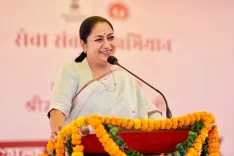
Bhupender Yadav marks 12 years of Modi govt with welfare tribute
Synopsis
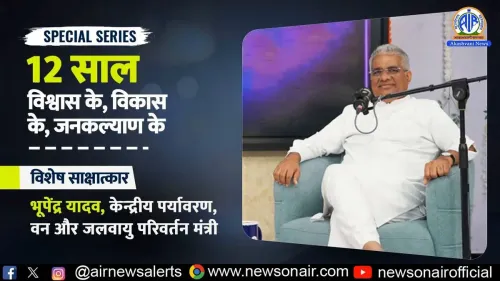
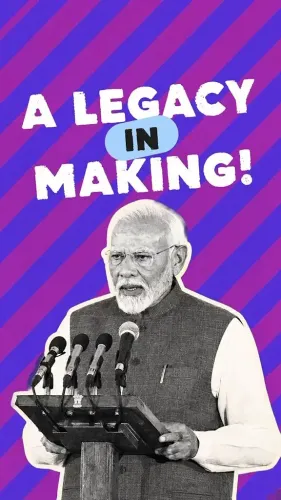
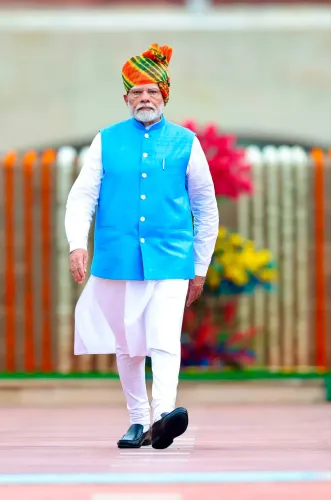
Union Environment Minister Bhupender Yadav on 11 June 2026 marked 12 years of PM Narendra Modi's unbroken elected tenure, hailing the period as one of service, good governance, and welfare of the poor under the hashtag #LongestServingElectedPMModi.
Key Takeaways
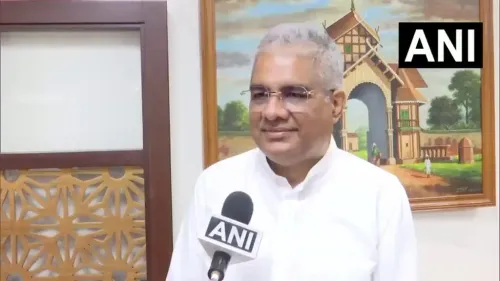
Bhupender Yadav , Union Environment Minister and senior BJP leader, posted a tribute on 11 June 2026 marking 12 years of PM Modi's tenure.
The hashtag #LongestServingElectedPMModi frames Modi's continuous elected tenure as a democratic record in India.
Modi was first sworn in on 26 May 2014 and has served uninterrupted through the 2019 and 2024 general elections.
The BJP's welfare narrative rests on schemes like the Pradhan Mantri Garib Kalyan Anna Yojana , targeting crores of poor households.
The milestone messaging is seen as an early signal of the BJP's governance-record strategy ahead of the 2029 Lok Sabha elections .
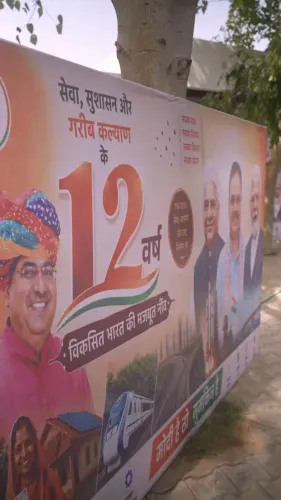
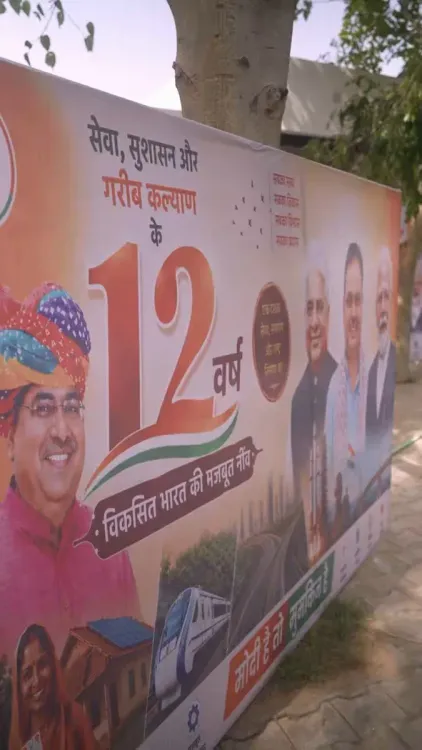
Union Environment Minister Bhupender Yadav on Thursday, 11 June 2026, marked what he described as 12 years of Prime Minister Narendra Modi's continuous tenure, posting a tribute on X under the hashtag #LongestServingElectedPMModi and saluting the period as one of 'seva, sushasan aur garib kalyan' — service, good governance, and welfare of the poor.
Context
Narendra Modi was first sworn in as Prime Minister on 26 May 2014 following the BJP-led National Democratic Alliance's majority in the 2014 Lok Sabha elections. He was re-elected in 2019 and again in 2024, making his an unbroken elected tenure at the head of government. Yadav's post, brief but pointed, frames this continuity as a democratic record.
The hashtag #LongestServingElectedPMModi positions Modi's tenure against earlier prime ministers who served shorter or interrupted terms. Manmohan Singh, for instance, served two consecutive terms from 2004 to 2014 but led a coalition government, while several prime ministers before him served fragmented or partial terms.
Policy Backdrop
The BJP-led government has consistently anchored its public narrative on three pillars: seva (service delivery), sushasan (good governance), and garib kalyan (welfare of the poor). Flagship schemes such as the Pradhan Mantri Garib Kalyan Anna Yojana, launched in 2020 to provide free food grains during the pandemic, are regularly cited as evidence of this welfare orientation.
Over the course of 12 years, the government has rolled out a wide portfolio of direct-benefit transfer programmes, rural housing initiatives, and digital public infrastructure projects. The cumulative messaging has been that governance has shifted from intermediary-dependent delivery to direct, targeted outreach to lower-income households.
Stakeholders and Impact
The primary beneficiaries of the welfare architecture built over this period are poor households and rural communities across India. Schemes spanning food security, housing, sanitation, and financial inclusion have been directed at this demographic, and the government has repeatedly used beneficiary numbers — running into crores of households — as a metric of impact.
For the BJP as a political organisation, the 12-year milestone carries electoral significance. Ahead of the 2029 general elections, consolidating the narrative of uninterrupted, welfare-focused governance is expected to be a central campaign theme. Senior ministers like Yadav amplifying this message on social media reflects a coordinated communication strategy.
What's Next
With the 2029 Lok Sabha elections on the horizon, the BJP is expected to intensify its record-of-governance messaging, pointing to scheme rollouts, infrastructure milestones, and welfare delivery data. Parliamentary sessions and party events are likely to see repeated references to the tenure record as a contrast with opposition-era governance.
Updates on existing welfare schemes — particularly those under the garib kalyan umbrella — and any new flagship announcements will be watched as the government seeks to add to its policy record in the remaining years of the current term.
Point of View
Designed to project stability as an electoral asset. With 2029 still three years away, the early drumbeat around tenure records suggests the party is already in campaign-narrative mode. The welfare-governance triptych — seva, sushasan, garib kalyan — has been the BJP's most durable messaging formula since 2014, and its restatement at a 12-year marker signals no intention to pivot from it.
NationPress
24 Sept 2026
Frequently Asked Questions
How many years has Narendra Modi been Prime Minister of India?
As of June 2026, Narendra Modi has served 12 continuous years as Prime Minister, having first been sworn in on 26 May 2014 after the BJP-led NDA's victory in the 2014 Lok Sabha elections.
What does #LongestServingElectedPMModi mean?
The hashtag refers to Narendra Modi's claim to being the longest-serving elected Prime Minister of India, based on his unbroken tenure from May 2014 through 2026 across three successive general election victories.
What is 'garib kalyan' in the context of the Modi government?
'Garib kalyan' means welfare of the poor and is a central pillar of the BJP government's policy messaging, encompassing schemes such as the Pradhan Mantri Garib Kalyan Anna Yojana, which provides free food grains to crores of low-income households.
Who is Bhupender Yadav?
Bhupender Yadav is a senior BJP leader and Union Minister of Environment, Forest and Climate Change in the Modi government, known as one of the party's key organisational figures and frequent government spokesperson on social media.
What welfare schemes has the Modi government launched in 12 years?
Over 12 years, the Modi government has launched or expanded multiple welfare schemes including the Pradhan Mantri Garib Kalyan Anna Yojana for free food grains, rural housing programmes, direct-benefit transfer initiatives, and sanitation and financial inclusion drives targeting poor and rural households.