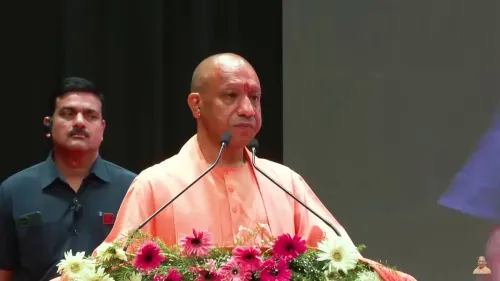
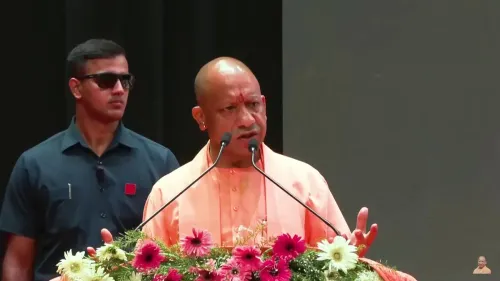
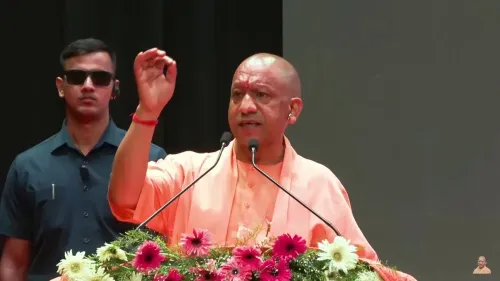
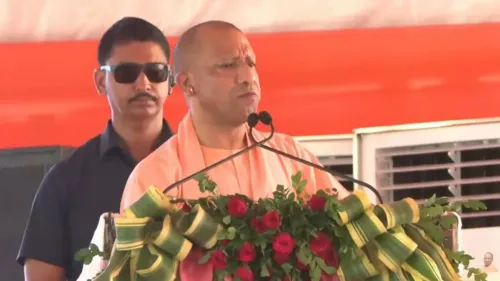
CM Yogi targets SP over Jinnah university link, Home Minister remark
Synopsis
On Independence Day eve, CM Yogi Adityanath accused the Samajwadi Party of backing a leader linked to a Jinnah-named university and promising him the Home Ministry — sharpening BJP's partition-history attack ahead of the 2027 UP elections.
Key Takeaways
CM Yogi posted the attack on 14 August 2026 , the eve of India's Independence Day.
He accused the Samajwadi Party of advocating for a person who named a university after Muhammad Ali Jinnah , whom he holds responsible for India's 1947 partition .
He alleged SP promised to make this individual Home Minister if voted to power.
The exact identity of the person and the precise SP statement could not be independently verified from public records.
The exchange fits a recurring BJP-SP pattern of invoking partition history during UP electoral cycles , with the next assembly election due in 2027 .
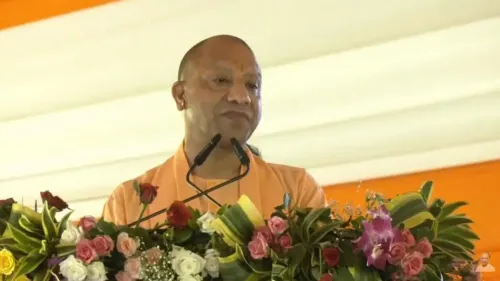
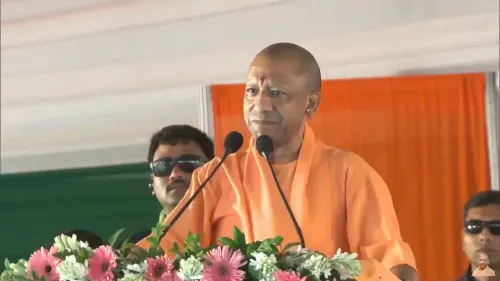
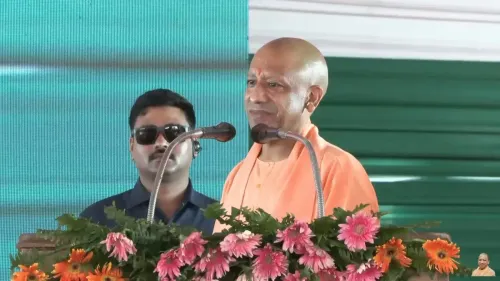
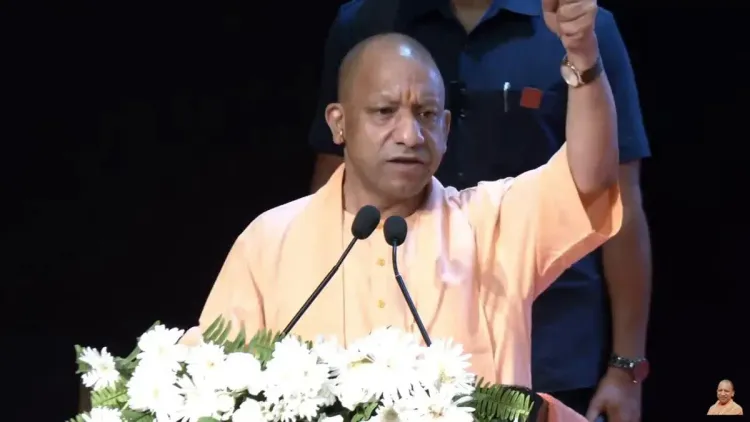
On the eve of Independence Day, Uttar Pradesh Chief Minister Yogi Adityanath sharpened his attack on the Samajwadi Party, accusing it of championing a leader who named a university after the man he holds responsible for India's partition — and then promising that very person a cabinet post.
Posting on 14 August 2026, CM Yogi wrote: 'Bharat ke vibhajan ke liye zimmedar vyakti ke naam par vishwavidyalaya banane wale vyakti ki pairokaar Samajwadi Party kehti hai ki hum aayenge toh usko Griha Mantri banayenge...' — 'The Samajwadi Party, which advocates for the person who built a university named after the individual responsible for India's partition, says: if we come to power, we will make him Home Minister...'
The Jinnah university charge at the centre of the attack
The post is anchored in a well-worn BJP line of attack: that SP's political associations are inseparable from the legacy of Muhammad Ali Jinnah, the All-India Muslim League leader whose demand for a separate Muslim homeland culminated in the 1947 partition of British India. The BJP has repeatedly argued that any political rehabilitation of Jinnah's memory — including naming an institution after him — is an affront to the millions displaced and killed during partition.
The research background flags that the exact identity of the individual accused of founding a Jinnah-named university, and the precise SP statement promising him the Home Ministry, cannot be independently verified from established public records. NationPress is not asserting those specifics as confirmed fact.
Why 'Home Minister' lands as a pointed barb
The Home Ministry controls internal security, intelligence, and law enforcement — making it the most politically loaded portfolio after the Prime Minister's office. By alleging that SP would hand this post to the figure in question, CM Yogi is framing the charge not as a historical grievance but as a live, forward-looking security concern for Uttar Pradesh's voters.
The timing is deliberate. With UP assembly elections due in 2027, both BJP and SP are already staking out positions on identity, history, and governance. Invoking partition on Independence Day eve — a date saturated with national emotion — amplifies the resonance of the message beyond the usual political news cycle.
SP-BJP partition rhetoric: a recurring electoral flashpoint
This exchange fits a pattern that has intensified in UP politics since 2014: BJP leaders invoke partition history to question SP's nationalist credentials, while SP frames such attacks as divisive communal politics. The back-and-forth has become a structural feature of every major UP electoral cycle, with each side betting that its framing moves voters in the state's densely contested constituencies.
Whether SP leader Akhilesh Yadav or party spokespersons issue a rebuttal — and how they frame it — will be the next move to watch as the 2027 campaign takes shape.
Point of View
While silence can be read as confirmation. How Akhilesh Yadav responds will reveal whether SP chooses to fight on BJP's chosen terrain or pivot to economic issues where the party believes it has stronger ground.
NationPress
28 Sept 2026
Frequently Asked Questions
What did CM Yogi Adityanath say about the Samajwadi Party on 14 August 2026?
CM Yogi accused the Samajwadi Party of supporting a person who named a university after Muhammad Ali Jinnah — whom he holds responsible for India's partition — and alleged that SP promised to make this individual Home Minister if it came to power.
Who is Muhammad Ali Jinnah and why is he controversial in Indian politics?
Muhammad Ali Jinnah was the leader of the All-India Muslim League who championed the two-nation theory and became Pakistan's first Governor-General after the 1947 partition of British India — an event BJP leaders frequently invoke to question opposition parties' nationalist credentials.
Why did CM Yogi make this post on Independence Day eve?
Posting on 14 August , the anniversary of Pakistan's independence and the eve of India's own, maximises the emotional resonance of partition references, giving the political attack a nationally symbolic backdrop.
Is the Jinnah university allegation verified?
The exact identity of the individual accused of founding a Jinnah-named university and the precise SP statement promising him the Home Ministry have not been independently confirmed from established public records.
How does this fit into the BJP-SP rivalry ahead of UP 2027 elections?
BJP and SP have traded partition-history attacks in every major UP electoral cycle since 2014. With assembly elections due in 2027 , both parties are already staking out positions on identity and governance, making such exchanges a recurring feature of UP's political landscape.