CM Yogi Contrasts BJP's Unity Run With SP's Jinnah Tribute
Synopsis
Uttar Pradesh CM Yogi Adityanath on 22 July 2026 used social media to contrast BJP's 'Run for Unity' events on Rashtriya Ekta Diwas with an alleged Samajwadi Party tribute to Jinnah, sharpening ideological lines ahead of the 2027 UP assembly elections.
Key Takeaways
CM Yogi Adityanath posted on 22 July 2026 contrasting BJP's 'Run for Unity' programme with the Samajwadi Party's alleged glorification of Muhammad Ali Jinnah .
The BJP organised 'Run for Unity' events in every district of Uttar Pradesh on 31 October , coinciding with Rashtriya Ekta Diwas .
Rashtriya Ekta Diwas was declared by the Government of India in 2014 to honour Sardar Vallabhbhai Patel on his birth anniversary.
The post is part of a recurring BJP strategy of framing national unity and Partition history as electoral differentiators in Uttar Pradesh .
The exchange is expected to intensify as both parties build campaign narratives ahead of the 2027 Uttar Pradesh assembly elections .
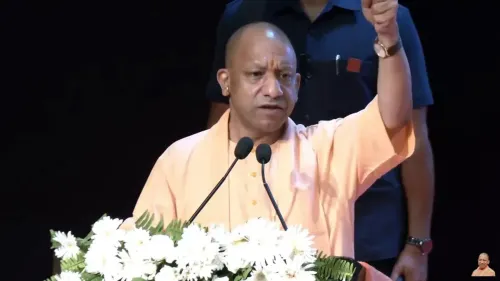
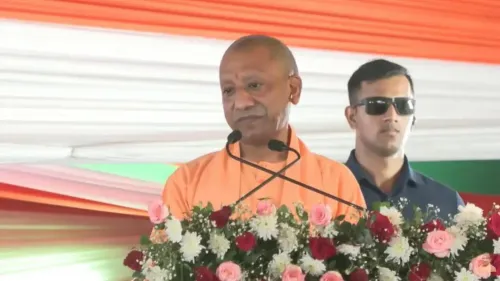
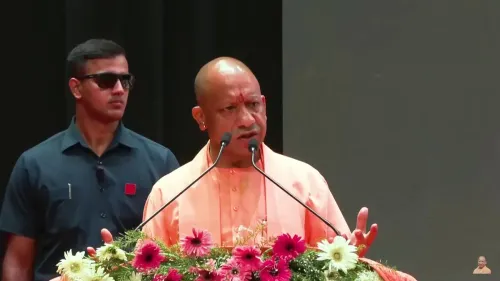
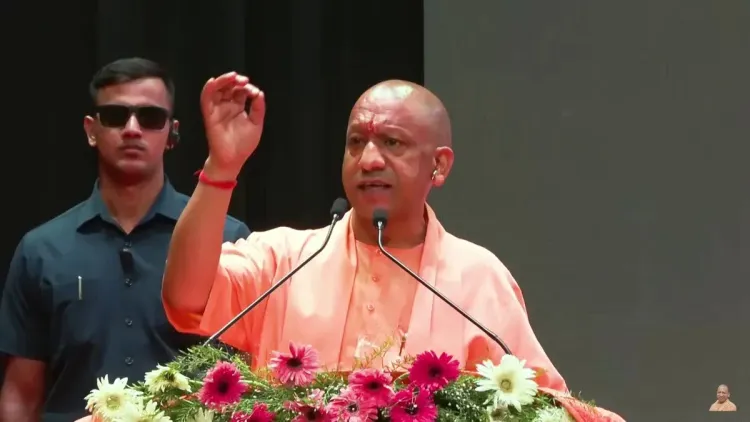
Uttar Pradesh Chief Minister Yogi Adityanath on Wednesday, 22 July 2026, invoked last year's Rashtriya Ekta Diwas on 31 October to draw a sharp contrast between the Bharatiya Janata Party's 'Run for Unity' programme and what he alleged was the Samajwadi Party's glorification of Muhammad Ali Jinnah on the same day. The post, shared on his official X account, is the latest salvo in an escalating political narrative battle ahead of the 2027 Uttar Pradesh assembly elections.
Context
In his post, CM Yogi Adityanath wrote in Hindi: 'Beete varsh 31 October ko BJP4India ne har janpad mein Run for Unity karyakram rakha tha, usi din Samajwadi Party Jinnah ko mahimandit kar rahi thi...' — translated: 'Last year on 31 October, the BJP held a Run for Unity programme in every district; on that very same day, the Samajwadi Party was glorifying Jinnah.' The juxtaposition is deliberate and pointed, placing the two parties on opposite ends of a national-unity-versus-Partition-legacy argument.
Rashtriya Ekta Diwas, or National Unity Day, is observed every year on 31 October, the birth anniversary of Sardar Vallabhbhai Patel, India's first Deputy Prime Minister. The Government of India formally declared the day in 2014 to honour Patel's role in integrating the princely states and to promote national integration.
Policy Backdrop
The BJP has consistently positioned Sardar Patel as a symbol of national unity and has used his legacy to contrast its own ideology with that of opposition parties. The 'Run for Unity' event — organised across every district, or janpad, in Uttar Pradesh — is part of a nationwide programme that the party runs annually on 31 October to reinforce this messaging.
Muhammad Ali Jinnah, the founder of Pakistan and a central figure in the 1947 Partition of India, has been a recurring flashpoint in Indian political discourse. References to Jinnah by opposition leaders or party offices have repeatedly drawn sharp responses from the BJP, which frames such references as incompatible with mainstream Indian nationalism. The Samajwadi Party has not publicly responded to the specific allegation in CM Yogi's post.
Stakeholders and Impact
Uttar Pradesh, India's most populous state, sends the largest bloc of members to the Lok Sabha and its assembly elections are closely watched as a bellwether of national politics. With the 2027 state assembly elections on the horizon, both the BJP and the Samajwadi Party are actively shaping their electoral narratives. Voters, particularly in districts with mixed demographic profiles, are a key audience for this kind of historical and ideological framing.
The Samajwadi Party, which advocates socialist and secular positions and draws its core support from OBC and Muslim communities in the state, has faced BJP attacks over its perceived stance on Partition-era figures before. Such messaging from the ruling party is aimed at consolidating its Hindu nationalist voter base while putting the opposition on the defensive over questions of national loyalty and integration.
What's Next
The post signals that Partition history and national unity will remain central campaign themes for the BJP in Uttar Pradesh as the state moves closer to the 2027 assembly election cycle. Observers will watch for the Samajwadi Party's formal response and whether the exchange triggers a broader debate in the state legislature or on the campaign trail. CM Yogi Adityanath's continued use of social media to frame these contrasts suggests the BJP intends to keep this narrative front and centre in the months ahead.
Point of View
The BJP simultaneously claims the patriotic high ground and puts the opposition on the defensive. This kind of historical framing has proven durable across multiple UP election cycles since the 1990s and is likely to intensify as the 2027 assembly elections approach. The timing of the post — well before the election season — suggests the party is investing early in narrative consolidation rather than reactive campaigning.
NationPress
21 Oct 2026
Frequently Asked Questions
What did CM Yogi Adityanath say about the Samajwadi Party and Jinnah?
CM Yogi Adityanath alleged on 22 July 2026 that on 31 October last year, while the BJP was holding 'Run for Unity' events in every district of Uttar Pradesh, the Samajwadi Party was glorifying Muhammad Ali Jinnah, the founder of Pakistan.
What is Rashtriya Ekta Diwas and why is it observed on 31 October?
Rashtriya Ekta Diwas, or National Unity Day, is observed on 31 October every year to mark the birth anniversary of Sardar Vallabhbhai Patel, India's first Deputy Prime Minister. The Government of India declared the day in 2014 to honour Patel's role in integrating the princely states after Independence.
What is the BJP's 'Run for Unity' programme?
The 'Run for Unity' is a programme organised by the BJP annually on 31 October, Rashtriya Ekta Diwas, to promote national integration. In Uttar Pradesh, the party holds the event across every district, or janpad, in the state.
Why does BJP bring up Jinnah in UP politics?
The BJP has consistently used references to Muhammad Ali Jinnah to contrast its nationalist ideology with that of opposition parties, particularly the Samajwadi Party. Framing opponents as sympathetic to Jinnah is part of a broader electoral strategy the party has deployed across multiple Uttar Pradesh election cycles.
What is the significance of this post ahead of the 2027 UP elections?
The post signals that national unity and Partition history will be key BJP campaign themes ahead of the 2027 Uttar Pradesh assembly elections. Uttar Pradesh is India's most populous state and sends the largest bloc to the Lok Sabha, making its political contests nationally significant.