China Life leads $737m semiconductor push as Beijing backs 'patient capital'
Synopsis
China Life Insurance, backed by the State Council, is committing 5 billion yuan to a new semiconductor fund — the same week Beijing's top party journal ran three straight days of editorials demanding 'patient capital' for chips. State insurance money is now an explicit instrument of the chip war.
Key Takeaways
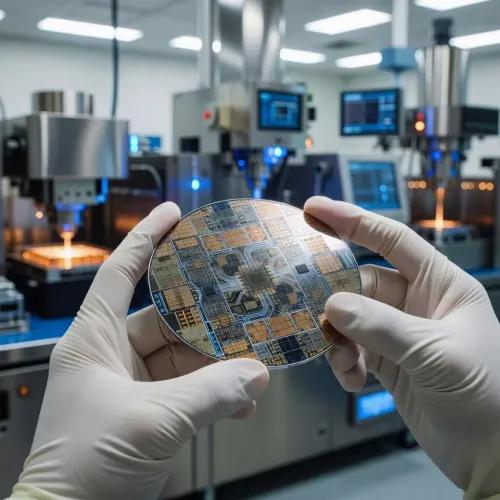
China Life Insurance will establish a 5 billion yuan (US$737 million) semiconductor-focused investment fund, according to filings dated 12 July 2026 .
The fund will target chip design firms and companies with 'distinctive core technological advantages and a well-established research and development system.' Beijing 's top party journal Qiushi ran commentaries for three consecutive days last week urging the development of 'patient capital' for strategic industries.
Xu Siwei , chairman of China Reform Holdings , authored the Qiushi pieces, framing long-term risk-tolerant capital as essential to China 's position in 'great-power competition.' Both state-level and provincial governments across China are reportedly establishing parallel semiconductor funds, indicating a coordinated national capital mobilisation.
China Life Insurance, the country's largest state-backed life insurer, announced on Friday, 12 July 2026, that it will establish a 5 billion yuan (US$737 million) fund focused exclusively on the semiconductor industry — a move that underscores Beijing's intensifying push to mobilise long-term state capital for chip self-reliance amid escalating US-China technology competition.
What was announced
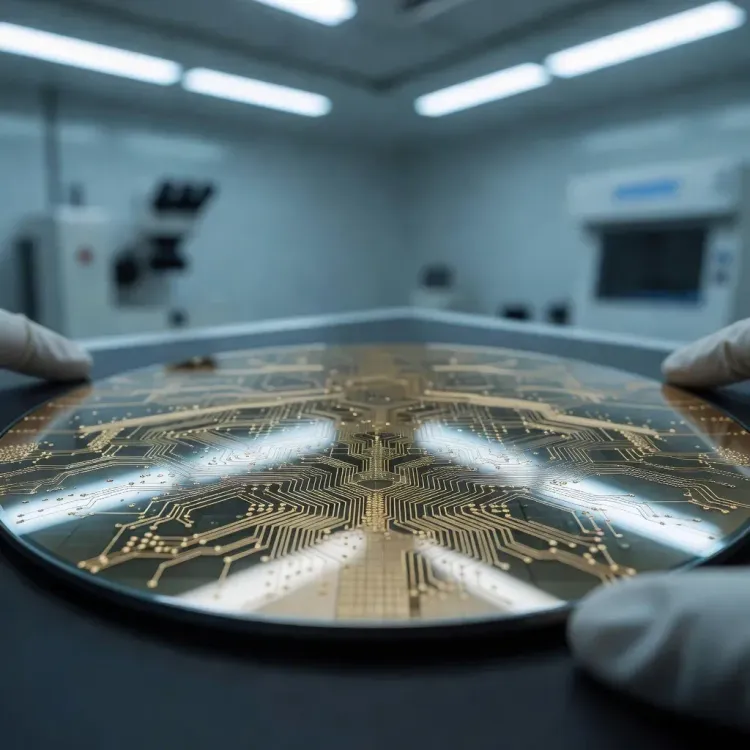
According to filings submitted to the main bourses in Hong Kong and Shanghai, the fund will be jointly formed with a China Life sister company and will 'principally invest in companies operating in the semiconductor industry.' The partnership will specifically target chip design firms and others that have 'accumulated substantial technical know-how and resources in the semiconductor industry, with distinctive core technological advantages and a well-established research and development system,' the filings stated.
China Life described itself as 'a significant force of state-owned capital,' saying its participation in 'strategic emerging industries such as semiconductors' represents 'a concrete manifestation of its role as a provider of long-term and patient capital.'
Why it matters
The announcement arrives on the heels of an unusually coordinated ideological push from the Communist Party's top theoretical journal, Qiushi, which ran commentaries for three consecutive days last week urging the cultivation of 'patient capital.' The campaign signals that Beijing views long-horizon, risk-tolerant investment as a strategic instrument — not merely a financial tool.
In three posts published in Qiushi, Xu Siwei, chairman of state-owned investment firm China Reform Holdings, argued that long-term investment willing to tolerate greater risk and longer return cycles would be 'an important source of strength for China amid rising great-power competition on the global stage.'
The competitive backdrop
Semiconductors sit at the epicentre of the US-China tech war, with successive rounds of US export controls restricting China's access to advanced chips and chipmaking equipment. Domestic players — from fabless designers to equipment makers — require sustained, multi-year capital commitments that traditional venture or private-equity structures rarely provide. State-owned insurers and pension-style vehicles, with their naturally long liability horizons, are increasingly being repositioned as the answer.
Provincial and municipal governments across China have also reportedly been setting up parallel semiconductor-focused funds, reflecting a coordinated, multi-level capital mobilisation effort rather than isolated corporate decisions.
What's next
The deployment pace of the 5 billion yuan fund and its specific portfolio targets will be closely watched by industry observers as a barometer of how aggressively Beijing intends to back domestic chip champions. With the State Council directly behind China Life, the fund carries an implicit policy mandate that could crowd in additional private and quasi-public capital. The broader question is whether 'patient capital' rhetoric translates into commercially disciplined investment or becomes another vehicle for subsidising strategic but uncompetitive enterprises.
Point of View
Using ideological framing to legitimise the redirection of insurance float into high-risk, decade-long semiconductor bets. What mainstream coverage underplays is the structural tension: life insurance capital is supposed to match long-dated liabilities with relatively safe assets, and forcing it into early-stage chip ventures introduces systemic risk that regulators elsewhere would flag immediately. The 'patient capital' narrative also conveniently papers over the fact that previous state semiconductor vehicles — most notably the National IC Fund — were plagued by misallocation and corruption scandals. Whether this new wave of state money produces globally competitive chips or simply inflates domestic valuations remains the critical unanswered question.
NationPress
11 Oct 2026
Frequently Asked Questions
What is the China Life Insurance semiconductor fund?
China Life Insurance announced a 5 billion yuan (US$737 million) fund on 12 July 2026 that will principally invest in semiconductor companies, including chip design firms with strong R&D capabilities. The fund is jointly formed with a China Life sister company and is backed by the State Council .
What is 'patient capital' and why is China promoting it?
'Patient capital' refers to long-term investment that tolerates higher risk and extended return cycles — characteristics suited to capital-intensive industries like semiconductors. Beijing 's top party journal Qiushi ran three consecutive days of commentaries last week urging its cultivation, reflecting the government's view that conventional short-horizon finance is insufficient for strategic tech industries.
Who is Xu Siwei and what did he say?
Xu Siwei is the chairman of state-owned investment firm China Reform Holdings . He authored three posts in Qiushi arguing that long-term, risk-tolerant investment would be 'an important source of strength for China amid rising great-power competition on the global stage.'
How does this relate to the US-China tech war?
Semiconductors are central to the US-China tech war , with US export controls limiting China 's access to advanced chips and manufacturing equipment. China is mobilising state insurance and government-backed capital to fund domestic chip development over the multi-year timelines that private markets typically avoid.
Are other Chinese state entities also setting up semiconductor funds?
Yes. Both state-level and provincial government-backed companies across China have reportedly been announcing new semiconductor-focused funds, suggesting a coordinated, multi-level capital deployment strategy rather than isolated corporate decisions by China Life alone.