MetaX and Iluvatar swing to profit as China's AI chip race heats up
Synopsis
MetaX Integrated Circuits swung to a 612 million yuan profit in H1 2026 — reversing a 186 million yuan loss — as China's homegrown AI chip sector begins cashing in on Beijing's self-reliance mandate and a surging national AI infrastructure buildout.
Key Takeaways
MetaX Integrated Circuits posted a net profit of 612 million yuan (US$90.9 million) in the first half of 2026 , reversing a loss of 186 million yuan a year earlier.
First-half revenue at MetaX rose 44.7 per cent to 1.32 billion yuan , driven by higher GPU shipments and broader customer adoption.
Biren Technology shares surged 10.7 per cent to HK$43.44 in Hong Kong on Monday, 31 August 2026 , after reporting narrowed losses.
Iluvatar Corex fell 6.7 per cent to HK$370.2 in Hong Kong despite its own swing to profitability.
MetaX listed on Shanghai 's Star Market in December and saw its shares rise 1.4 per cent to 684.5 yuan by midday on Monday .
US export controls on chips from Nvidia and Advanced Micro Devices continue to act as a structural tailwind for domestic Chinese GPU designers.
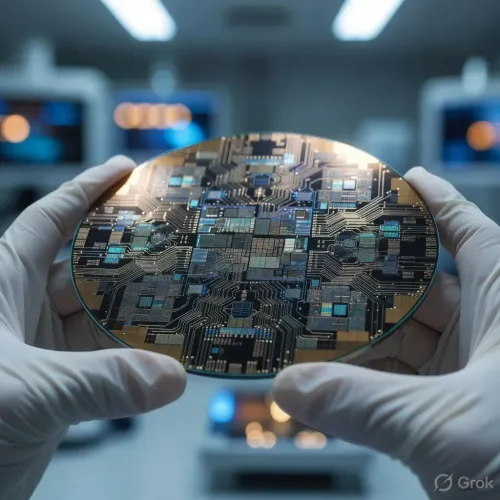
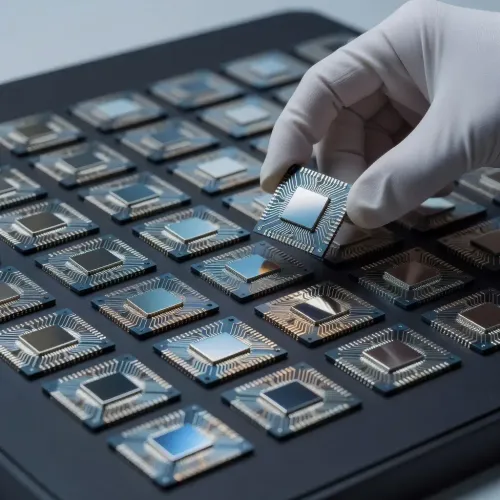
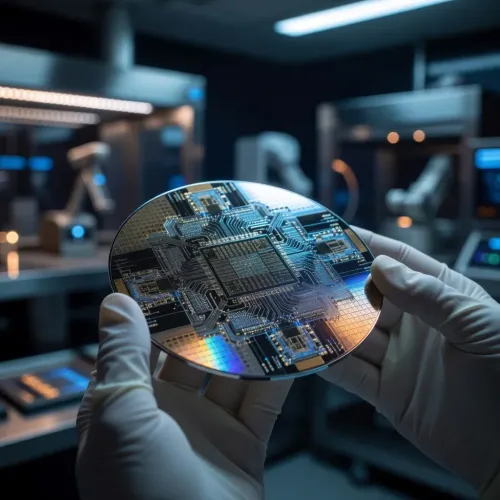
China's domestic artificial intelligence (AI) chip sector posted a landmark first half of 2026, with MetaX Integrated Circuits and Iluvatar Corex swinging to profitability while Biren Technology narrowed its losses — signalling that Beijing's self-reliance push is beginning to translate into real financial gains for homegrown GPU designers.
MetaX leads the profit turnaround
MetaX Integrated Circuits, which made a high-profile debut on Shanghai's Star Market in December, reported a net profit of 612 million yuan (US$90.9 million) for the first six months of the year, reversing a loss of 186 million yuan recorded in the same period a year earlier. First-half revenue surged 44.7 per cent to 1.32 billion yuan, driven by widespread customer adoption and a sharp increase in GPU shipments, according to its stock exchange filing on Sunday evening.
The results underline how aggressively domestic enterprises have pivoted toward homegrown silicon as access to leading-edge chips from Nvidia and Advanced Micro Devices (AMD) remains constrained by US export controls.
Market reaction: mixed signals from investors
Shares of MetaX climbed 1.4 per cent to 684.5 yuan on the Shanghai bourse by the midday break on Monday, while cross-town rival Biren Technology surged 10.7 per cent to HK$43.44 in Hong Kong — a move analysts attributed to optimism over its narrowing losses. Iluvatar Corex, despite its own profitability milestone, dropped 6.7 per cent to HK$370.2 in Hong Kong, suggesting investors may have already priced in the positive outcome.
The mixed trading session reflects broader uncertainty about whether domestic chipmakers can sustain momentum as China's national AI infrastructure buildout matures beyond its initial surge phase.
The competitive backdrop
China's domestic GPU ecosystem — which includes Cambricon Technologies and Huawei Technologies alongside the three companies reporting this week — has accelerated development under sustained pressure from US chip export restrictions. Beijing's self-sufficiency mandate has effectively created a captive market for domestic designers, with state-linked cloud operators and enterprise customers increasingly mandated or incentivised to source locally.
Yet the divide between profit-generating players and loss-makers remains stark, hinting that scale and customer lock-in are becoming decisive competitive moats in a rapidly consolidating sector.
What's next
The second half of 2026 will be a critical test of whether first-half profitability is structural or a function of one-time demand spikes tied to government-backed AI infrastructure projects. Investors and industry watchers will be closely monitoring whether Biren Technology can convert its stock rally into a full profit recovery, and whether Iluvatar Corex can defend margins against intensifying domestic competition. The trajectory of US export policy toward advanced semiconductors will remain the single biggest external variable for the entire sector.
Point of View
Meaning profitability could prove cyclical rather than structural. The divergence between Biren's stock surge and Iluvatar's sell-off also suggests the market is beginning to differentiate on execution quality, not just the macro tailwind. The harder question for 2027 is whether these companies can compete on performance-per-watt benchmarks without access to leading-edge foundry nodes — a constraint that US policy shows no sign of relaxing.
NationPress
31 Aug 2026
Frequently Asked Questions
Did MetaX Integrated Circuits turn a profit in 2026?
Yes. MetaX Integrated Circuits reported a net profit of 612 million yuan (US$90.9 million) for the first half of 2026 , reversing a loss of 186 million yuan in the same period of 2025 . The turnaround was fuelled by a 44.7 per cent jump in revenue to 1.32 billion yuan .
Why are Chinese AI chipmakers becoming profitable now?
China 's domestic AI chipmakers are benefiting from a combination of Beijing 's tech self-reliance policy and US export controls that restrict access to chips from Nvidia and Advanced Micro Devices . This has pushed domestic enterprises and state-linked cloud operators toward homegrown GPU suppliers, rapidly expanding the addressable market for companies like MetaX , Iluvatar Corex , and Biren Technology .
How did Biren Technology shares perform on 31 August 2026?
Biren Technology shares surged 10.7 per cent to HK$43.44 in Hong Kong on Monday, 31 August 2026 , after the company reported a narrowing of its first-half losses. The rally made Biren the standout performer among the three domestic GPU designers reporting earnings that day.
Who are the main competitors in China's AI chip market?
China 's domestic AI chip landscape includes MetaX Integrated Circuits , Biren Technology , Iluvatar Corex , Cambricon Technologies , and Huawei Technologies . These companies are competing to fill the gap left by restricted access to chips from global leaders Nvidia and Advanced Micro Devices , with each targeting different segments of the AI inference and training market.
What is the outlook for China's domestic GPU sector in the second half of 2026?
The second half of 2026 will test whether the profitability achieved by MetaX and Iluvatar Corex is sustainable or tied to a one-time surge in government-backed AI infrastructure spending. Key variables include the pace of China 's national AI buildout, any changes to US semiconductor export policy, and whether Biren Technology can convert its stock momentum into a full earnings recovery.