Fossil DNA: Horses originated in America, reached Europe via China
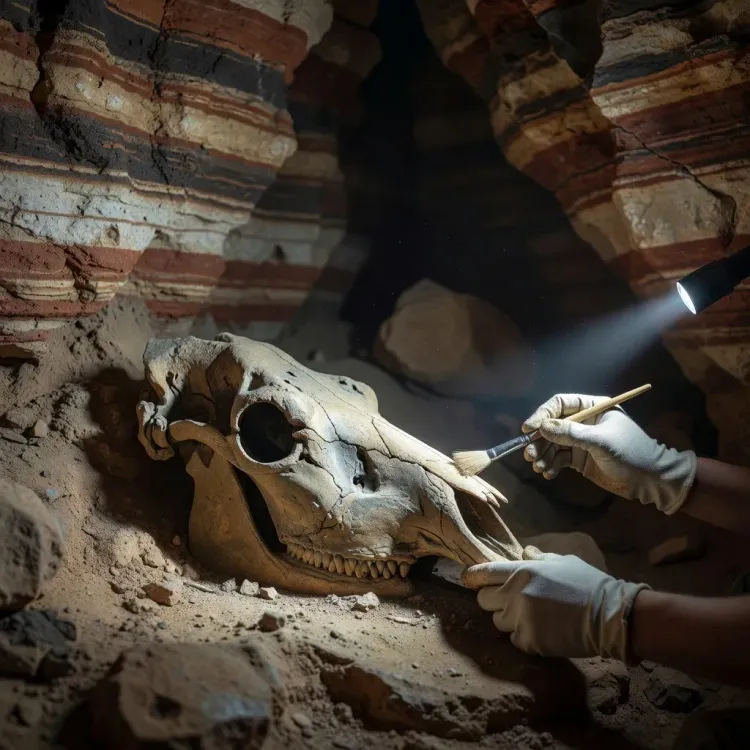
Synopsis
A fossil DNA study has upended horse history: the Dalian horse, an extinct lineage from northeastern China, carried North American genetic ancestry into Eurasia, meaning modern European horses owe their roots to America — via China.
Key Takeaways
A fossil DNA study published in Proceedings of the Royal Society B: Biological Sciences shows horses originated in North America , not Europe.
The extinct Dalian horse of northeastern China , once considered a regional oddity, carried distinctly North American genetic ancestry.
Researchers found that the Dalian horse ‘likely served as one route through which North American-related genetic ancestry entered Northeast Eurasian horse populations.’ Fossil evidence was drawn from Gulongshan Cave in Heilongjiang province, near Harbin , and linked to populations in Yakutia , Siberia .
The Bering Land Bridge is identified as the corridor through which Equus migrated westward from North America into Asia during the late Pleistocene .
The findings challenge the popular narrative that horses were a European introduction to the New World , reversing the perceived direction of equine heritage.
North America is the true birthplace of the modern horse, and an extinct Chinese lineage known as the Dalian horse served as the genetic bridge that carried American horse ancestry into Europe, according to a new fossil DNA study published in Proceedings of the Royal Society B: Biological Sciences. The findings overturn the long-held assumption that horses were a European import to the Americas when Spanish conquistadors arrived.
The Dalian horse: from local oddity to evolutionary pivot
The Dalian horse, an extinct lineage once considered a regional curiosity from northeastern China, has been repositioned as a critical node in the story of equine evolution. Researchers say the animal carried a distinctly North American genetic signature and transmitted it to ancient horse populations in Siberia, ultimately seeding the bloodlines that gave rise to modern European horses.
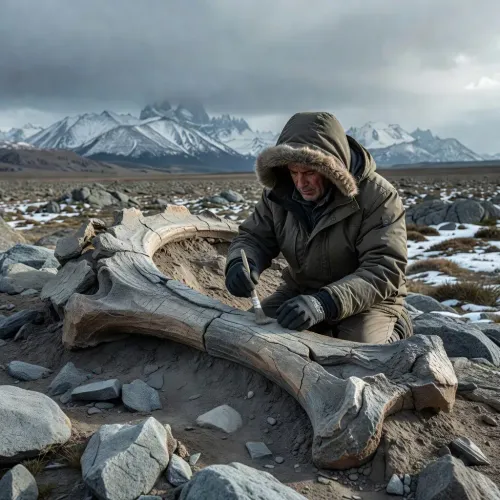
Fossil specimens linked to this lineage were recovered from Gulongshan Cave in Heilongjiang province. The genetic data places the Dalian horse squarely within the late Pleistocene epoch, a period of dramatic faunal exchange across the Bering Land Bridge connecting North America and Northeast Asia.
Trans-Beringian gene flow: what the data shows
The study's authors concluded that “Dalian horses likely served as one route through which North American-related genetic ancestry entered Northeast Eurasian horse populations.” The research further notes that the findings “position the Dalian horse as a key lineage for elucidating late Pleistocene equid evolution in Northeast Asia and the dynamics of trans-Beringian genetic exchange.”
The mechanism, researchers say, was the Bering Land Bridge — a now-submerged land corridor between present-day Alaska and Siberia that periodically emerged during ice ages, allowing fauna to migrate between continents. Horses belonging to the genus Equus are believed to have crossed westward from North America into Asia, with the Dalian lineage acting as an intermediary population in northeastern China before that ancestry propagated further into Eurasia.
Why it matters
The conventional narrative — immortalised in accounts of Spanish conquistadors introducing horses to the New World — has always acknowledged that horses went extinct in the Americas roughly 10,000 years ago. What this study adds is the precise genetic pathway by which American horse DNA survived and eventually circulated back into European lineages, via Harbin-region fossils in Heilongjiang and populations in Yakutia.
The research rewrites the directionality of equine heritage: rather than Europe gifting horses to the world, North America appears to have been the foundational source, with China acting as an unlikely but pivotal relay point.
What’s next
Researchers are expected to expand ancient DNA sampling across additional cave sites in Northeast Asia and Siberia to map the full scope of trans-Beringian equid migration. As ancient genomics techniques improve, the evolutionary tree of Equus is likely to be refined further, potentially revealing additional intermediate lineages that shaped the horses humanity came to domesticate.
Point of View
Cattle, and now horses. The Dalian horse finding is particularly striking because it implicates China not as a recipient of Western biological heritage but as an active conduit in a much older, bidirectional exchange. What mainstream coverage tends to underplay is the methodological leap: recovering reliable ancient DNA from cave specimens in humid, temperate Northeast Asia is technically far harder than from permafrost sites in Siberia, making the Gulongshan Cave data especially significant. As whole-genome ancient DNA studies scale up across East Asia, expect further revisions to the assumed geography of animal domestication.
NationPress
25 Sept 2026
Frequently Asked Questions
Where did horses originally come from?
According to a new fossil DNA study, horses originated in North America millions of years ago. They migrated westward across the Bering Land Bridge into Asia before eventually reaching Europe , reversing the long-held assumption that horses were a European species.
What is the Dalian horse and why is it significant?
The Dalian horse is an extinct equine lineage from northeastern China that researchers had previously considered a local oddity. The fossil DNA study reveals it carried North American genetic ancestry and acted as a genetic relay, passing that ancestry into ancient horse populations across Northeast Eurasia .
How did North American horse genes reach Europe?
Researchers say horses crossed from North America into Asia via the Bering Land Bridge during the late Pleistocene epoch. The Dalian horse lineage in northeastern China then transmitted that North American genetic ancestry westward into Siberian and ultimately European horse populations.
Where was the fossil evidence found?
Key fossil specimens were recovered from Gulongshan Cave in Heilongjiang province, near Harbin in northeastern China . The genetic data was also connected to ancient horse populations in Yakutia , Siberia .
Does this change the story of Spanish conquistadors bringing horses to the Americas?
It adds important nuance. Horses did go extinct in the Americas roughly 10,000 years ago , so Spanish conquistadors did reintroduce them to the New World . However, the new research shows that the genetic heritage of those European horses traces back to North America via an ancient Chinese lineage, making the Americas the ultimate origin point.