Lalan Singh launches DAHD's new DBIM-compliant website
Synopsis
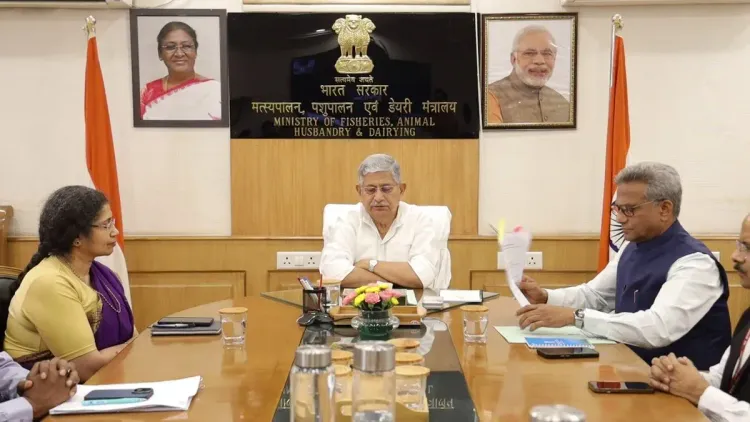
Union Minister Rajiv Ranjan Singh (Lalan Singh) on 13 October 2026 addressed the launch of a DBIM-compliant new website for the Department of Animal Husbandry and Dairying, positioning the upgrade within PM Modi's Digital India vision.
Key Takeaways
Union Minister Lalan Singh addressed the launch of DAHD's redesigned, DBIM-compliant website on 13 October 2026 .
The launch was framed as aligned with PM Narendra Modi's Digital India vision for e-governance across central ministries.
The Department of Animal Husbandry and Dairying (DAHD) manages livestock development, dairy welfare, and breed improvement schemes affecting millions of rural farmers.
DBIM compliance indicates the portal meets government-mandated standards for digital architecture and data management.
State-level adoption and potential integration with Panchayati Raj MIS systems will determine the platform's real-world reach.
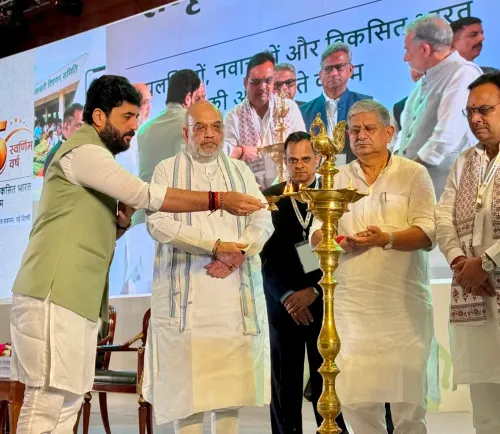
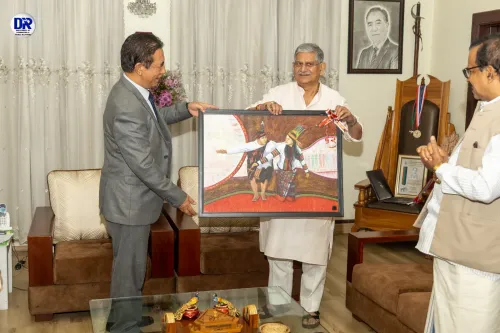
A new digital front door opened for India's livestock and dairy sector on Tuesday, 13 October 2026, as Union Minister for Animal Husbandry, Dairying, Panchayati Raj and Fisheries Rajiv Ranjan Singh — popularly known as Lalan Singh — addressed the launch of a redesigned, DBIM-compliant website for the Department of Animal Husbandry and Dairying (DAHD), framing the step as a direct expression of Prime Minister Narendra Modi's vision for digital governance.
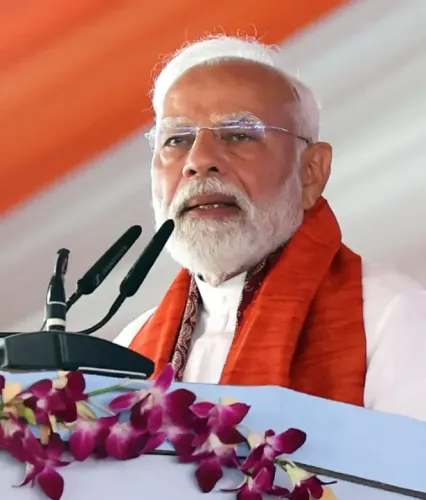
Speaking at the launch, the minister described the occasion as aligned with PM Modi ke vision ko dhyan mein rakhte hue ('keeping PM Modi's vision in mind'), signalling that the upgrade is positioned within the broader Digital India programme that the Centre has been rolling out across ministries since 2015.
DAHD steps into a compliance-driven digital era
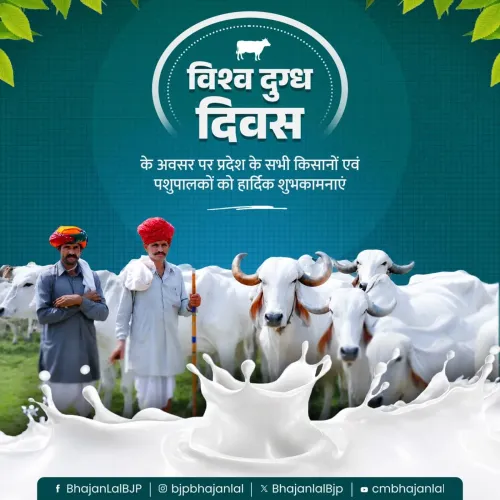
The Department of Animal Husbandry and Dairying oversees livestock development, dairy welfare programmes, breed improvement schemes, and milk procurement support for millions of farmers across the country. Its digital infrastructure directly affects how dairy farmers and livestock owners access scheme information, application portals, and official data.
The new website is described as 'DBIM-compliant' — a designation indicating it meets government-mandated standards for digital architecture and data management. While the full technical scope of the DBIM framework was not detailed at the launch, such compliance requirements have become a standard checkpoint for central ministry portals as the government pushes for interoperable, citizen-friendly e-governance platforms.
Incremental digitisation of a sector that feeds millions
India's animal husbandry and dairying ecosystem is among the largest in the world, supporting hundreds of millions of rural livelihoods. Successive governments have pushed incremental digitisation — from online breed-improvement registries to digitised milk procurement records — but integration across schemes has remained a work in progress.
The DAHD portal refresh continues that pattern of administrative modernisation. The sharper question now is whether state governments and district-level dairy cooperatives will integrate with the new platform, and whether it will eventually connect with Panchayati Raj MIS systems — a logical next step given that Lalan Singh holds both portfolios.
A ministry-level website may seem procedural, but for a farmer in a remote block trying to access scheme benefits, a well-structured portal can be the difference between a claim filed and a claim lost. This launch is a small but deliberate step in making that access real.
Point of View
And any future integration between the two ministerial data stacks could meaningfully improve last-mile access. The Digital India mandate has steadily pressured every central department to standardise its digital footprint, and DAHD's compliance signals the ministry is keeping pace. The real test, as with every such launch, is adoption — by states, by district cooperatives, and ultimately by the farmers the portal is meant to serve.
NationPress
13 Oct 2026
Frequently Asked Questions
What is the new DAHD website launched by Lalan Singh?
The Department of Animal Husbandry and Dairying (DAHD) launched a redesigned, DBIM-compliant website on 13 October 2026. Union Minister Rajiv Ranjan Singh (Lalan Singh) addressed the launch event, positioning it within PM Modi's Digital India initiative for e-governance.
What does DBIM-compliant mean for a government website?
DBIM compliance indicates that a government portal meets prescribed standards for digital architecture and data management set by the central government. It is part of the broader push to ensure interoperable, citizen-friendly e-governance platforms across ministries.
Who is Lalan Singh and which ministry does he head?
Lalan Singh is the popular name of Union Minister Rajiv Ranjan Singh, a senior Janata Dal (United) leader. He holds the portfolios of Panchayati Raj, Fisheries, Animal Husbandry and Dairying in the Union Cabinet.
How does the DAHD portal affect dairy farmers?
The DAHD portal is the primary digital interface for scheme information, applications, and official data related to livestock development and dairy welfare. An upgraded, compliant platform can make it easier for dairy farmers and livestock owners to access government benefits and scheme details.
What is India's Digital India programme?
Digital India is a flagship programme launched in 2015 to digitise government services, improve transparency, and expand e-governance across central ministries and departments. The DAHD website upgrade is positioned as part of this ongoing initiative.