CM Bhajan Lal Reaffirms Push for Animal Husbandry, Dairy Growth
Synopsis
Rajasthan Chief Minister Bhajan Lal Sharma declared animal husbandry and dairy development a strong foundation of the state's rural prosperity, reaffirming his government's continuous commitment to livestock keeper welfare and dairy sector growth.
Key Takeaways
Rajasthan CM Bhajan Lal Sharma publicly reaffirmed his government's commitment to animal husbandry and dairy development on June 8, 2026 .
He described the sectors as a 'strong foundation' of Rajasthan's rural culture and prosperity.
Rajasthan is India's largest state by area, with a large rural population dependent on livestock rearing and dairy activities.
The Rashtriya Gokul Mission , active since 2014 , is a key national scheme supporting cattle productivity and dairy infrastructure in the state.
Budget allocations for animal husbandry in the next state budget will be a key indicator of how the government's commitment is backed by financial outlay.
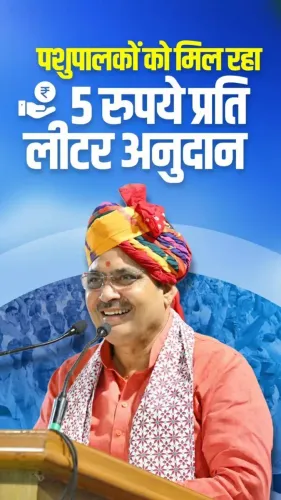
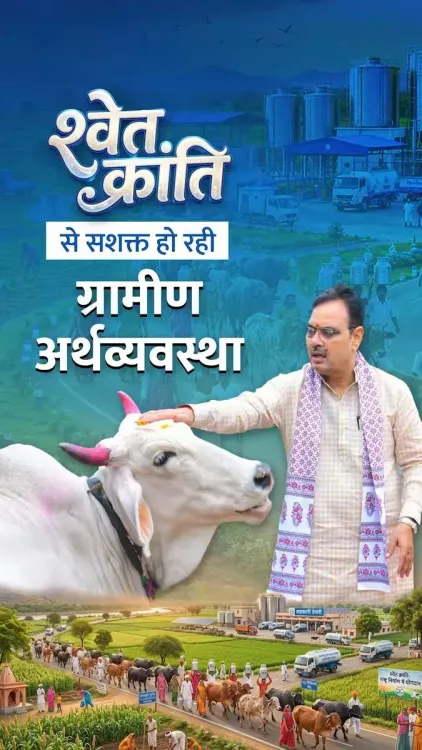
Rajasthan Chief Minister Bhajan Lal Sharma on Monday, June 8, 2026, reaffirmed his government's commitment to animal husbandry and dairy development, calling the sectors a growing pillar of the state's rural culture and prosperity.
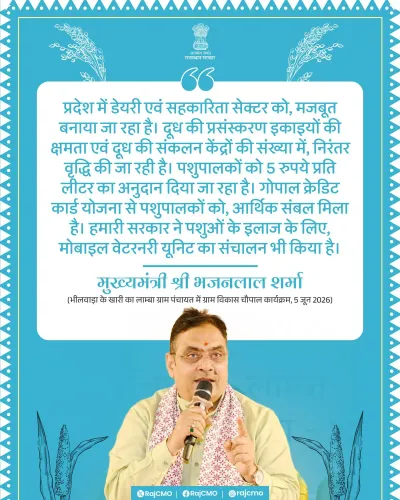
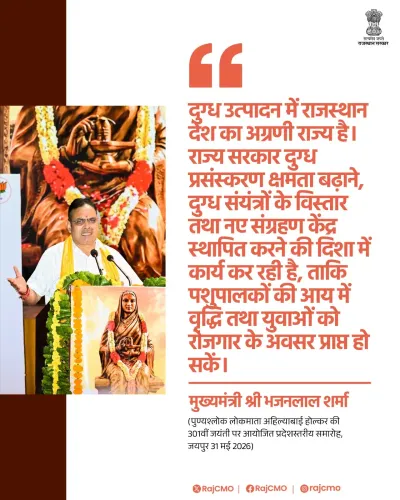
In a post on X, the Chief Minister wrote: 'पशुपालन और डेयरी विकास आज राजस्थान की ग्रामीण संस्कृति और समृद्धि का सशक्त आधार बन रहा है' — 'Animal husbandry and dairy development are today becoming a strong foundation of Rajasthan's rural culture and prosperity.' He added that his government is working with 'continuous commitment' for the welfare of livestock keepers and dairy development.
Context
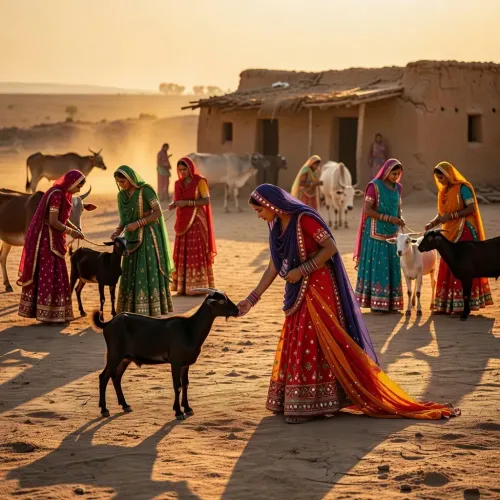
Rajasthan, India's largest state by area, has a vast rural population that depends heavily on livestock rearing alongside agriculture. Milk production, cooperative dairy networks, and related activities form a significant share of household incomes, particularly in the state's arid and semi-arid districts. The Chief Minister's statement signals a continued policy focus on this constituency.
Bhajan Lal Sharma took office in December 2023 after the BJP's victory in the Rajasthan assembly elections. Since then, the administration has aligned itself with both state-level livestock welfare programmes and centrally sponsored schemes aimed at diversifying rural earnings.
Policy Backdrop
At the national level, the Rashtriya Gokul Mission, launched in 2014, has been a key instrument for improving cattle productivity and dairy infrastructure across states, including Rajasthan. The scheme supports breed improvement, veterinary services, and milk cooperative strengthening — areas that directly affect the livelihoods of dairy farmers and livestock keepers in the state.
State governments across party lines have historically invested in livestock schemes to supplement farmer incomes and reinforce food security in drought-prone regions. The current administration's public messaging fits within this long-standing pattern of rural outreach through animal husbandry policy.
Stakeholders and Impact
The primary beneficiaries of dairy and animal husbandry programmes in Rajasthan are rural livestock keepers and dairy farmers, who rely on milk sales and cooperative payouts as a buffer against crop failures. Strengthening veterinary infrastructure and cooperative networks directly affects income stability for these households.
Cooperative dairy networks also create downstream employment in processing, logistics, and retail, making the sector relevant beyond individual farm gates. Any fresh allocations or scheme expansions would have a multiplier effect across rural districts.
What's Next
Observers and rural welfare advocates will watch the Rajasthan state budget allocations for animal husbandry and dairy to gauge how the government's stated commitment translates into financial outlay. The rollout status of centrally sponsored schemes such as the Rashtriya Gokul Mission in the state will also serve as a practical benchmark for the administration's performance in this sector.
With rural livelihoods remaining a central electoral and governance concern, sustained investment in livestock welfare could shape the government's standing among the state's large farming and pastoral communities in the years ahead.
Point of View
Reinforcing the BJP government's rural welfare credentials. It fits a broader national pattern of state administrations aligning with central livestock schemes to diversify agrarian incomes in arid regions. The messaging is politically significant because dairy cooperatives and livestock keepers represent a diffuse but numerically substantial constituency across Rajasthan's rural districts. Whether this translates into concrete budget outlays or scheme expansions will determine the statement's policy weight beyond its rhetorical value.
NationPress
19 Sept 2026
Frequently Asked Questions
What did Rajasthan CM Bhajan Lal Sharma say about animal husbandry?
CM Bhajan Lal Sharma stated that animal husbandry and dairy development are becoming a strong foundation of Rajasthan's rural culture and prosperity, and that his government is continuously committed to the welfare of livestock keepers and dairy development.
What is the Rashtriya Gokul Mission and does it apply to Rajasthan?
The Rashtriya Gokul Mission is a central government scheme launched in 2014 to improve cattle productivity, veterinary services, and dairy infrastructure. Rajasthan is among the states covered under this programme.
Why is dairy farming important in Rajasthan?
Dairy farming and livestock rearing are major sources of rural income in Rajasthan, especially in arid and semi-arid districts where crop yields can be uncertain. Milk cooperatives and livestock sales provide households with an income buffer against agricultural losses.
When did Bhajan Lal Sharma become Chief Minister of Rajasthan?
Bhajan Lal Sharma became Chief Minister of Rajasthan in December 2023 following the BJP's victory in the state assembly elections.
What should I watch for next on Rajasthan dairy policy?
Key indicators to watch include the animal husbandry and dairy allocation in the next Rajasthan state budget and the implementation progress of the Rashtriya Gokul Mission across the state's rural districts.