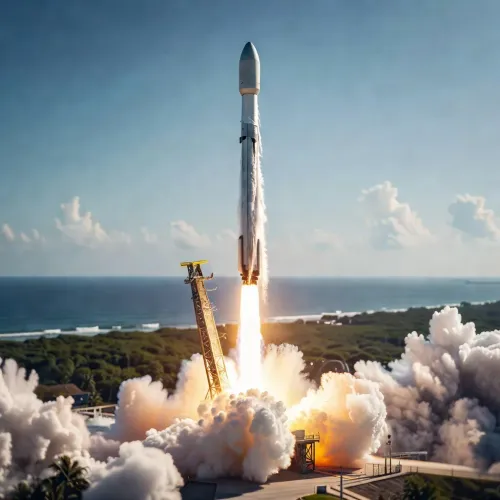
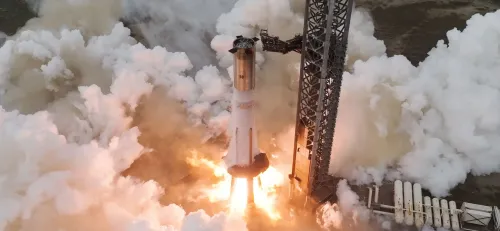
Galactic Energy's Pallas-1 rocket reaches orbit in China reusability push
Synopsis
Galactic Energy's Pallas-1 — a 52-metre, 283-tonne rocket built to fly 25 times — reached orbit on 1 September 2026, making it one of the most capable reusable vehicles yet from China's private launch sector and a direct challenge to SpaceX's commercial dominance.
Key Takeaways
Galactic Energy successfully launched its Pallas-1 reusable rocket into orbit on Tuesday, 1 September 2026 , from Jiuquan Satellite Launch Centre , Gansu province .
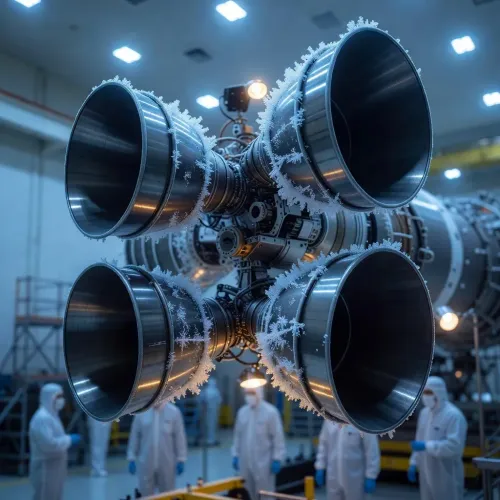
The two-stage vehicle stands 52 metres tall, weighs 283 tonnes at lift-off, and generates 350 tonnes-force of thrust via seven CQ-50 liquid oxygen-kerosene engines.
Pallas-1 is rated for a payload of up to 7 tonnes to low Earth orbit and designed for up to 25 reflights.
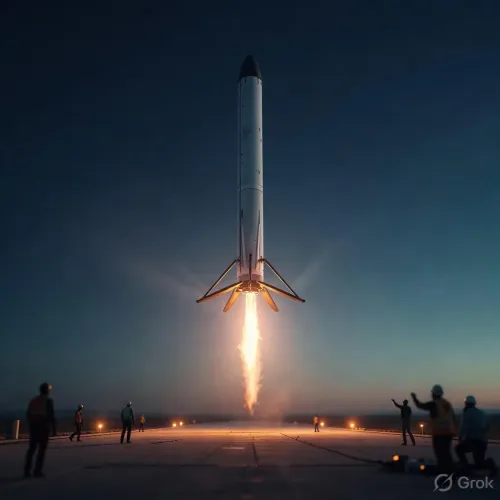
No booster recovery was attempted on this flight; the company plans phased testing of re-entry control, grid fins, and landing systems before a full vertical landing attempt.
The mission supports China 's 'space power' objective, which was included in the national five-year plan for the first time.
Galactic Energy joins rivals LandSpace and CAS Space in China 's rapidly expanding private reusable launch sector.
Galactic Energy, a Beijing-based commercial rocket maker, successfully launched its Pallas-1 medium-to-large reusable rocket into orbit on Tuesday, 1 September 2026, marking a significant step in China's race to develop reusable launch capabilities and close the gap with Elon Musk's SpaceX.
Mission details and vehicle specs
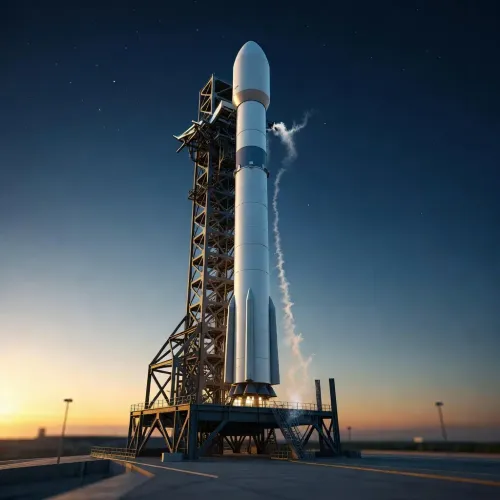
The two-stage, liquid-propellant rocket lifted off at 10am from a self-built launch pad at the Jiuquan Satellite Launch Centre's commercial pilot zone in northwestern China's Gansu province, according to the company. The vehicle stands 52 metres tall with a 3.35-metre diameter, carries a lift-off mass of approximately 283 tonnes, and generates a lift-off thrust of 350 tonnes-force.
Pallas-1's first stage is powered by seven in-house developed liquid oxygen-kerosene engines designated CQ-50. The rocket is rated to carry up to 7 tonnes into low Earth orbit and is designed to withstand up to 25 flights over its operational lifetime.
Reusability roadmap
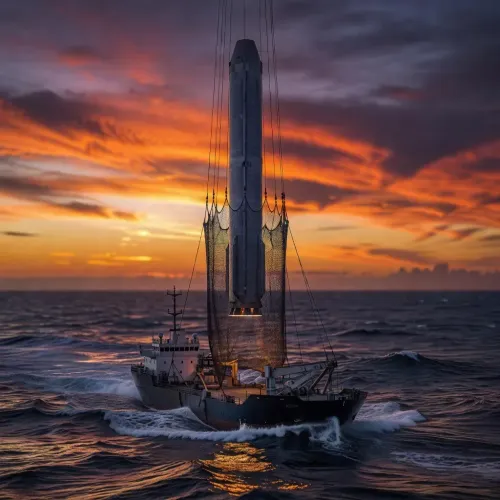
Galactic Energy did not attempt booster recovery during Tuesday's mission. The company outlined a phased approach: it will first test re-entry control, grid fins, and braking and deceleration systems before attempting a full vertical landing, targeting recovery at sea or on land as an intermediate milestone.
The staged strategy mirrors early recovery trials seen across the global commercial launch sector and is designed to de-risk the technology before committing to high-frequency commercial reuse operations.
Why it matters
The Pallas-1 debut aligns with Beijing's stated ambition to become a 'space power' — an objective formally enshrined in the nation's latest five-year plan for the first time. Reusable launch vehicles are central to that goal, as they promise dramatically lower per-kilogram launch costs that could make Chinese commercial launch services globally competitive.
Galactic Energy joins a growing cohort of Chinese private launch firms — including LandSpace and CAS Space — pursuing reusability, intensifying domestic competition even as the sector benchmarks itself against SpaceX's Falcon 9.
Competitive backdrop
SpaceX's Falcon 9 has logged well over 200 successful booster landings, setting the commercial standard for reusability. China Academy of Launch Vehicle Technology, the state-owned incumbent, is also developing next-generation reusable vehicles, meaning Galactic Energy faces pressure from both private peers and the state sector.
The successful orbital insertion of Pallas-1 nonetheless validates the company's in-house propulsion technology and positions it for future commercial manifest announcements.
What's next
Investors and industry observers will be watching for Galactic Energy's timeline on the first controlled re-entry test and any announcements regarding commercial payloads for subsequent Pallas-1 missions. A successful vertical landing demonstration would represent the true inflection point in the company's reusability programme — and a meaningful signal for China's broader commercial space ambitions.
Point of View
Which is the prerequisite for any serious commercial manifest. What mainstream coverage underplays is the structural advantage Beijing's five-year plan creates: state-backed infrastructure, subsidised launch sites, and a captive domestic satellite market give Chinese private launch firms a runway that Western counterparts rarely enjoy. The real test is not orbital insertion but booster recovery, where SpaceX's decade-long lead in reuse economics remains formidable. Watch whether Galactic Energy's phased recovery roadmap accelerates under competitive pressure from LandSpace's Zhuque-3 programme — the domestic race may prove as consequential as the one with SpaceX.
NationPress
17 Oct 2026
Frequently Asked Questions
What is the Galactic Energy Pallas-1 rocket?
Pallas-1 is a two-stage, liquid-propellant reusable rocket developed by Beijing-based Galactic Energy. It stands 52 metres tall, weighs 283 tonnes at lift-off, and is designed to carry up to 7 tonnes into low Earth orbit across up to 25 flights.
When and where did Pallas-1 launch?
Pallas-1 launched at 10am on Tuesday, 1 September 2026, from a self-built pad at the Jiuquan Satellite Launch Centre's commercial pilot zone in Gansu province, northwestern China.
Did Galactic Energy recover the Pallas-1 booster?
No booster recovery was attempted on the debut flight. Galactic Energy plans to first test re-entry control, grid fins, and braking systems before attempting a full vertical landing — initially targeting recovery at sea or on land.
How does Pallas-1 compare to SpaceX's Falcon 9?
Pallas-1 is a new entrant with a 7-tonne LEO capacity and a 25-flight design life, while SpaceX's Falcon 9 has logged well over 200 successful booster landings and carries roughly 22.8 tonnes to LEO. Galactic Energy has not yet demonstrated booster recovery, the key metric where SpaceX holds a decisive lead.
Why is China investing in reusable rockets?
China's latest five-year plan formally enshrines the goal of becoming a 'space power' for the first time. Reusable launch vehicles are central to that strategy because they lower per-kilogram launch costs, making Chinese commercial launch services more globally competitive.