Should India Establish Its Own Dominance in Space? Astronaut Prasanth Balakrishnan Nair Speaks Out
Synopsis
Indian astronaut Prasanth Balakrishnan Nair insists that India must forge its own path in the realm of space exploration. As the world gears up for inter-planetary ventures, he underscores the potential of Indian startups to tackle critical challenges and innovate for a brighter future in space.
Key Takeaways
India needs a robust space presence .
Startups should focus on solving real space challenges .
India contributes significantly to the global space workforce .
Innovation is key for future space missions .
Multi-disciplinary skills enhance startup effectiveness .
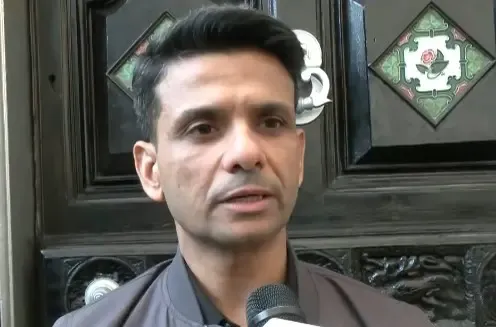
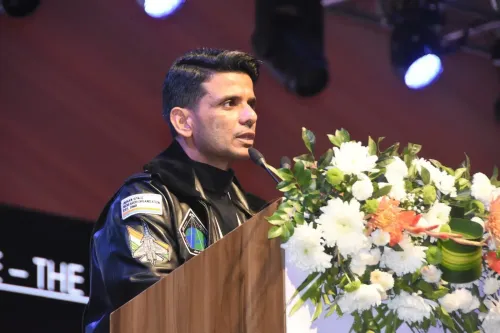
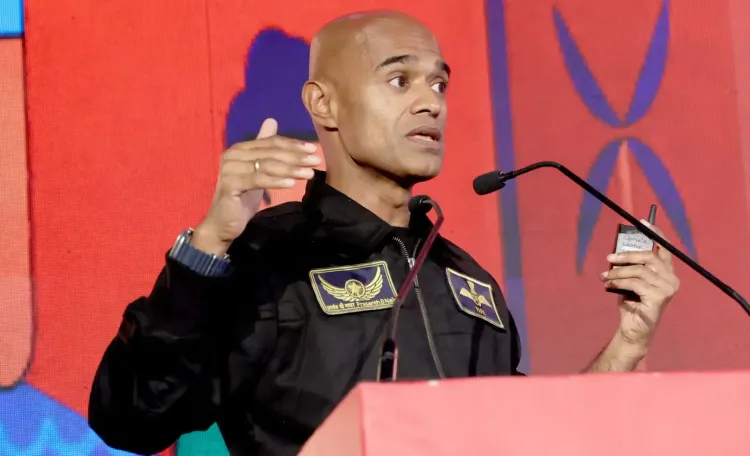
Thiruvananthapuram, Dec 12 (NationPress) Indian astronaut and test pilot Prasanth Balakrishnan Nair emphasized the necessity for India to cultivate a robust presence in space as we step into a new phase of inter-planetary exploration. He made these remarks during the Huddle Global 2025, which is recognized as India's biggest beachside startup festival.
According to Nair, India's space missions will not only bolster national interests but also empower the global community as dominant nations redefine the frameworks governing outer space.
Addressing the astronaut's perspective on nation-building, Nair highlighted that India significantly contributes to the global space ecosystem, with nearly 30 percent of specialized tasks managed by Indian-origin professionals at organizations like NASA.
"It is imperative for India to develop its own space capabilities rather than acting as a service provider for others," he stated.
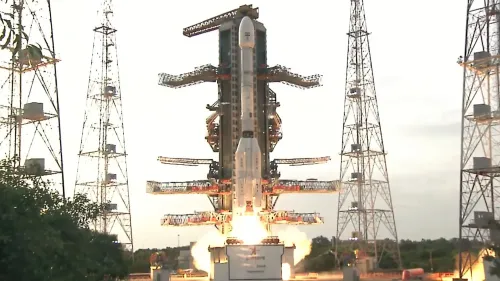
He pointed to flagship initiatives such as Gaganyaan and Chandrayaan, which will showcase India's ability to operate autonomously and sway global policies.
Nair urged that opportunities for Indian companies extend well beyond rockets and satellites, calling on startups to prioritize human-centric innovation. He noted that currently, all manned space missions rely on Russian-designed toilet systems, a monopoly that has remained unchallenged despite concerted efforts.
"These are the genuine challenges that humans encounter in space. Indian startups should lead in addressing these issues," Nair asserted.
Drawing parallels between astronauts and startup founders, he remarked that both must confront extreme challenges to realize their objectives.
Astronauts undergo extensive training across various disciplines, including mechanical repair, medical assistance, and food preparation, to function effectively in orbit.
"Startup leaders should cultivate multi-disciplinary skills," he advised.
"This enables them to comprehend every aspect of their team and mission."
Nair also commended India's scientific framework, highlighting that in contrast to developed nations where influential private enterprises collaborate with the government, India has achieved significant progress with limited financial resources and the exceptional talent of its scientists.
He stated that the next leap forward will necessitate strong involvement from startups.
"As India strives to become a global space power, startups and enterprises play a vital role in shaping that trajectory," Nair concluded.
Point of View
It's evident that India's aspirations in space are not just a matter of national pride but a crucial step towards global leadership. Nair's insights highlight the vast potential of Indian startups to pioneer solutions in space exploration. The call for innovation is timely, and it is imperative that we support our scientists and entrepreneurs in this quest.
NationPress
30 Sept 2026
Frequently Asked Questions
Why does India need to develop its own space capabilities?
Developing its own space capabilities allows India to assert its independence in space exploration and contribute more significantly to global discussions on space governance.
What challenges do Indian startups face in the space sector?
Indian startups encounter challenges such as competition from established players and the need for innovative solutions to existing problems in space missions.
How is India contributing to the global space ecosystem?
India contributes to the global space ecosystem by providing a substantial number of experts and participating in various international space projects.
What is the significance of the Gaganyaan mission?
The Gaganyaan mission is India's flagship human spaceflight program, showcasing the country’s capability to conduct independent manned space missions.
How can startups contribute to space exploration?
Startups can focus on human-centric innovations and solve practical challenges faced in space, paving the way for new technologies and advancements.