Lab-grown donkey collagen may save species from ejiao demand
Synopsis
Brazilian scientists are engineering lab-grown donkey collagen that is DNA-identical to the real thing — a potential lifeline for a species being wiped out by China's insatiable demand for ejiao, the anti-ageing traditional medicine derived from donkey hides.
Key Takeaways
Carla Molento , professor at the Federal University of Paraná , is leading development of a scalable lab-grown donkey hide gelatin system.
The synthetic collagen would be 'encoded by the same DNA ' as conventional ejiao, according to Molento, preserving its traditional properties.
The lab process eliminates contamination risks including heavy metals and pathogens found in conventional donkey-skin supply chains.
Global donkey populations have declined sharply due to ejiao demand, prompting export bans by the African Union and several member states.
The ejiao industry is centred in Shandong Province , China , where demand is driven by the country's growing middle class seeking anti-ageing wellness products.
Consumer acceptance in China and regulatory approval remain the critical unknowns before any commercial launch.
Brazilian scientists are developing lab-grown donkey collagen as a sustainable alternative to ejiao, the traditional Chinese medicine ingredient derived from donkey hides, in a bid to halt the animal's accelerating global decline. The project, led by researchers at the Federal University of Paraná in Brazil, aims to satisfy China's surging middle-class appetite for the anti-ageing remedy without slaughtering millions of donkeys worldwide.
The scientist behind the breakthrough
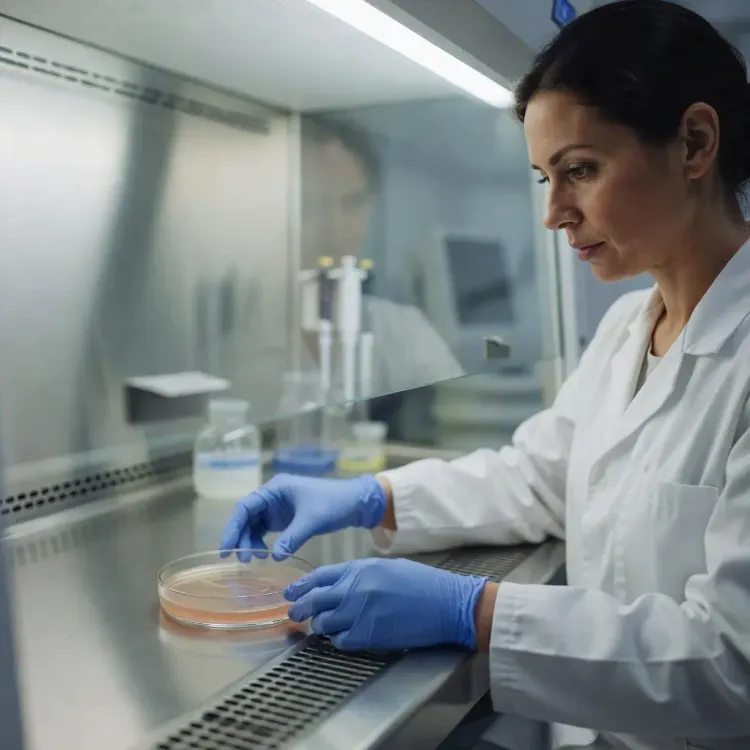
Carla Molento, a professor of animal welfare at the Federal University of Paraná and head of its Cellular Animal Science Laboratory, is leading the initiative. The veterinarian said her team is working towards 'a novel system ready for scale production' of donkey hide gelatin. The project sits at the intersection of cellular agriculture, animal welfare, and traditional medicine supply chains.Why it matters
Ejiao — referenced as far back as the Divine Farmer's Classic of Materia Medica — has become a multi-billion-dollar industry concentrated in Shandong Province, China, where processing facilities operate at industrial scale. According to The Donkey Sanctuary, global donkey populations have been decimated by the trade, with the African Union and several member states imposing export bans in response. Demand intelligence firm Kantar has tracked the ingredient's rise as a prestige wellness product among Chinese urban consumers.The science of synthetic hide gelatin
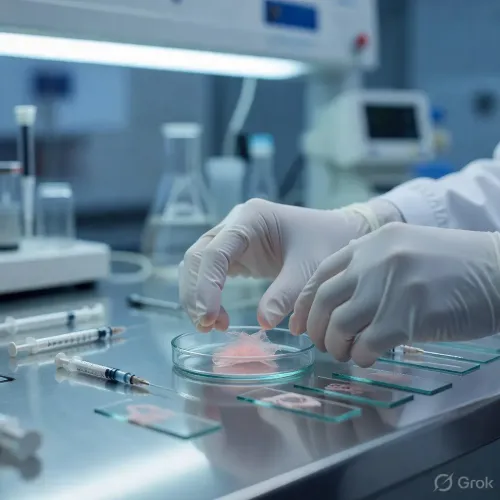
Molento's team is pursuing what the field calls precision fermentation — engineering cells to produce collagen that is genetically identical to the conventional product. 'We are hoping to offer a donkey collagen product which retains all the qualities of the conventional one, as it will be encoded by the same DNA,' she said. Critically, the lab-grown version would eliminate contamination risks present in conventional supply chains. 'None of the contamination such as heavy metals and disease risks like pathogens exist in the new production system,' Molento added.The competitive backdrop
Scholars including Natalie Köhle have documented ejiao's transformation from a classical remedy into a modern luxury wellness commodity, a shift that turbocharged demand and accelerated the donkey trade's expansion into Africa, South America, and Central Asia. The Brazilian lab-collagen effort is not the only such initiative globally, but it is among the most advanced in targeting donkey-specific proteins rather than bovine or porcine substitutes, which the traditional Chinese medicine market has historically rejected as inferior.What's next
The Federal University of Paraná team has not disclosed a commercial timeline, but Molento's framing of 'scale production' readiness as the near-term milestone suggests the project is past early proof-of-concept. Whether Chinese regulators and consumers — for whom provenance and tradition carry significant weight — will accept a biotech-derived ejiao substitute remains the defining commercial and regulatory question to watch.Point of View
Pangolin scales, and certain marine species. What mainstream coverage often misses is that the bottleneck for biotech substitutes in traditional Chinese medicine is rarely the science; it is regulatory legitimacy and cultural acceptance in the consuming market. Beijing's traditional medicine regulators have historically been slow to certify biotech-derived ingredients, meaning Molento's lab could crack the biology long before the product reaches a shelf in Shandong. The broader implication is that cellular agriculture's next frontier may be not plant-based meat, but heritage ingredients whose supply chains are ecologically catastrophic.
NationPress
7 Oct 2026
Frequently Asked Questions
What is ejiao and why does it threaten donkeys?
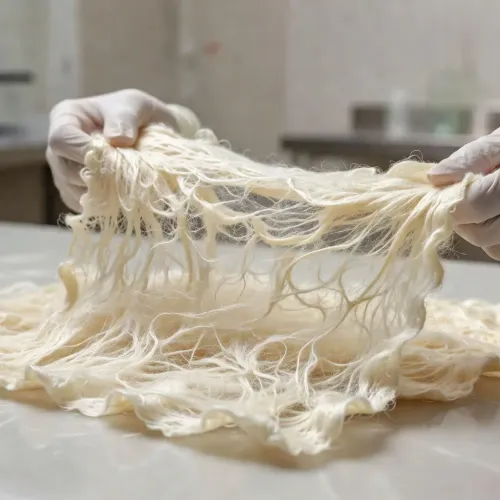
Ejiao is a traditional Chinese medicine product made by boiling donkey hides to produce a gelatin used for its purported anti-ageing and health benefits. Surging demand from China's growing middle class has driven large-scale slaughter of donkeys worldwide, prompting export bans from the African Union and population collapses across multiple continents.
What are scientists in Brazil doing to address the ejiao problem?
Researchers at the Federal University of Paraná, led by professor Carla Molento, are developing a lab-grown donkey collagen using precision fermentation techniques. The goal is to produce a product genetically identical to conventional ejiao gelatin while eliminating contamination risks such as heavy metals and pathogens.
Is lab-grown donkey collagen identical to the real thing?
According to Molento, the synthetic product 'will be encoded by the same DNA' as conventional donkey hide gelatin, meaning it should retain the same biochemical properties. The key advantage is purity — the lab environment removes contamination risks inherent in conventional animal-skin processing.
Which countries have restricted the donkey skin trade?
The African Union and several of its member states have imposed export bans on donkey hides in response to population declines linked to the ejiao trade. Organisations such as The Donkey Sanctuary have documented the scale of the crisis across Africa, South America, and Central Asia.
When could lab-grown ejiao reach the market?
No commercial timeline has been disclosed by the Federal University of Paraná team. Molento has described 'a novel system ready for scale production' as the near-term milestone, but regulatory approval in China and consumer acceptance of a biotech-derived substitute remain significant hurdles.