Make in India at 12: Electronics up 7x, defence output hits ₹1.78 lakh crore record
Synopsis
Make in India turns 12, and the government's anniversary factsheet reads like a manufacturing report card: electronics up nearly sevenfold, defence output at a record ₹1.78 lakh crore, and India now the world's second-largest mobile phone maker by volume. The numbers are striking — but the harder question is whether sectoral output growth is finally translating into a meaningfully larger manufacturing share of the overall economy.
Key Takeaways
Make in India completed 12 years on 25 September 2026 , now covering 27 sectors (15 manufacturing, 12 services).
Electronics production grew nearly sevenfold from ₹1.9 lakh crore (2014-15) to ₹13.11 lakh crore (2025-26); mobile phone output rose 33-fold to ₹6.27 lakh crore .
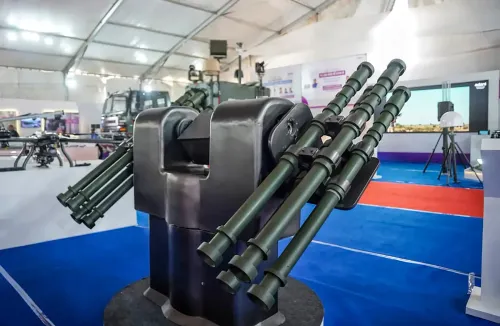
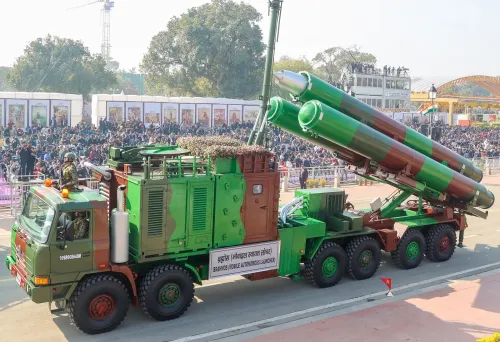
Indigenous defence production hit a record ₹1.78 lakh crore in FY 2025-26 , up from ₹46,429 crore in 2014-15 .
Vehicle production reached 31.03 million units in 2024-25 , 33% higher than a decade earlier; crude steel output doubled to 170 million tonnes .
Pharma annual turnover reached ₹4,71,898 crore in 2024-25 at a 9.5% CAGR ; India ranks third globally by pharmaceutical volume .
Manufacturing GVA grew at a 10.88% CAGR between 2022-23 and 2025-26 ; IIP manufacturing component rose 7% in April–July 2026 .
India's Make in India initiative, launched on 25 September 2014, marked its 12th anniversary on Wednesday with the government releasing a factsheet showing sweeping manufacturing gains across electronics, defence, automobiles, pharmaceuticals, and heavy engineering. Electronics production surged nearly sevenfold — from ₹1.9 lakh crore in 2014-15 to ₹13.11 lakh crore in 2025-26 — while indigenous defence output reached a record ₹1.78 lakh crore in the same year, according to an official statement.
Electronics and Mobile Manufacturing
Within the broader electronics surge, mobile-phone production recorded the steepest climb — rising approximately 33-fold, from ₹18,000 crore to ₹6.27 lakh crore over the same period. That growth has propelled India to become the world's second-largest mobile phone manufacturer by volume, a position it did not hold when the initiative was launched. The programme currently spans 27 sectors — 15 in manufacturing and 12 in services.
Defence and Heavy Engineering Gains
Indigenous defence production climbed from ₹46,429 crore in 2014-15 to a record ₹1.78 lakh crore in FY 2025-26, according to the factsheet, reflecting a sustained push to reduce import dependence and develop a domestic defence industrial base. Meanwhile, production across heavy engineering equipment and capital goods sub-sectors nearly doubled, rising from ₹2,87,233 crore in 2019-20 to ₹5,69,900 crore in 2024-25.
Automobiles, Steel and Railways
Vehicle production reached 31.03 million units in 2024-25, 33 per cent higher than in 2014-15, with multiple vehicle segments recording sharply higher output compared with 2020-21. Crude steel production more than doubled, rising from 81.7 million tonnes in 2014-15 to 170.0 million tonnes in 2025-26. Indian Railways manufactured 54,809 coaches over 2014-24, with average annual coach production rising from fewer than 3,300 during 2004-14 to 5,481 during 2014-24. In 2025-26, the railways produced 1,674 locomotives.
Pharmaceuticals and Medical Devices
India's pharmaceutical industry now ranks third globally by volume and 11th by value, with annual turnover reaching ₹4,71,898 crore in 2024-25, reflecting a 9.5 per cent CAGR since 2020-21. Domestic medical device manufacturing grew 48.2 per cent, from ₹28,000 crore in 2019-20 to ₹41,500 crore in 2024-25.
Macro Manufacturing Indicators
Manufacturing Gross Value Added (GVA) at constant prices recorded a compound annual growth rate of 10.88 per cent between 2022-23 and 2025-26 under the revised national accounts series. The manufacturing component of the Index of Industrial Production (IIP) rose 7.0 per cent during April–July 2026 compared with the corresponding period of 2025, according to the factsheet. Taken together, the data point to a manufacturing sector that has structurally expanded over the past decade, though critics and independent economists have previously noted that manufacturing's overall share of GDP has been slower to shift than headline output figures suggest. Whether the sector can sustain this trajectory as global trade headwinds intensify will be the defining question for the initiative's next decade.
Point of View
Yet it covers a post-pandemic rebound period that flatters most metrics. The real accountability test arrives when global demand softens: whether India's manufacturing base — particularly in electronics and defence — holds export momentum without the tailwind of supply-chain diversification anxiety that currently benefits it will reveal the depth of the structural shift.
NationPress
24 Sept 2026
Frequently Asked Questions
What is Make in India and when was it launched?
Make in India is a flagship government initiative launched on 25 September 2014 to transform India into a global hub for manufacturing, design, and innovation. It currently covers 27 sectors — 15 in manufacturing and 12 in services.
How much has India's electronics production grown under Make in India?
Electronics production has grown nearly sevenfold, from ₹1.9 lakh crore in 2014-15 to ₹13.11 lakh crore in 2025-26, according to an official factsheet. Within that, mobile phone production alone surged approximately 33-fold, making India the world's second-largest mobile manufacturer by volume.
What is the current scale of India's indigenous defence production?
Indigenous defence production reached a record ₹1.78 lakh crore in FY 2025-26, up from ₹46,429 crore in 2014-15, reflecting a sustained government push to reduce import dependence. The growth represents a nearly fourfold increase over the period.
How has India's pharmaceutical sector performed under Make in India?
India's pharma industry now ranks third globally by volume and 11th by value, with annual turnover at ₹4,71,898 crore in 2024-25 and a 9.5% CAGR since 2020-21. Domestic medical device manufacturing also rose 48.2%, from ₹28,000 crore in 2019-20 to ₹41,500 crore in 2024-25.
What do the latest industrial output figures show for India's manufacturing sector?
The manufacturing component of the IIP rose 7% during April–July 2026 compared with the same period in 2025. Manufacturing GVA at constant prices recorded a CAGR of 10.88% between 2022-23 and 2025-26 under the revised national accounts series.