India's manufacturing sector CAGR hits 10.88% as govt schemes fuel output surge
Synopsis
India's manufacturing sector is posting a 10.88% GVA CAGR — but the headline number masks an even sharper story underneath: defence output has nearly quadrupled since 2014–15 to ₹1.78 lakh crore, electronics crossed ₹13 lakh crore, and 12 semiconductor units are now approved. The question is whether this output surge is converting into durable, quality jobs for the 27 million workers the sector already employs.
Key Takeaways
India's manufacturing GVA CAGR stands at 10.88 per cent at constant prices, per an official factsheet dated 15 August 2026 .
The sector contributes 16–17 per cent of GDP and employs over 27 million workers .
Indigenous defence production hit a record ₹1.78 lakh crore in FY26 , up from ₹46,429 crore in 2014–15 .
Electronics production rose 15.8 per cent year-on-year to ₹13.11 lakh crore in FY26 ; mobile phone exports reached ₹2.59 lakh crore .
12 semiconductor units approved under Semicon India Programme 1.0 with investments exceeding ₹1.64 lakh crore as of July 2026 .
PLI scheme for LSEM has attracted around ₹96,000 crore in investments across the mobile manufacturing ecosystem.
India's manufacturing sector has emerged as a primary engine of economic expansion, recording a compounded annual growth rate (CAGR) of 10.88 per cent in gross value added (GVA) at constant prices, according to an official government factsheet released on 15 August 2026. The sector now contributes 16–17 per cent of GDP and employs over 27 million workers, with surging output in defence, electronics, semiconductors, and pharmaceuticals underpinning the gains.
Key Developments in Output and Exports
Merchandise exports in July 2026 climbed to $44.24 billion, up sharply from $36.98 billion recorded in the same month a year earlier. Manufacturing output itself grew 7.8 per cent in June 2026, according to the factsheet. These figures signal that India's industrial base is broadening beyond domestic consumption toward a credible export-led model.
Defence Production Reaches Record High
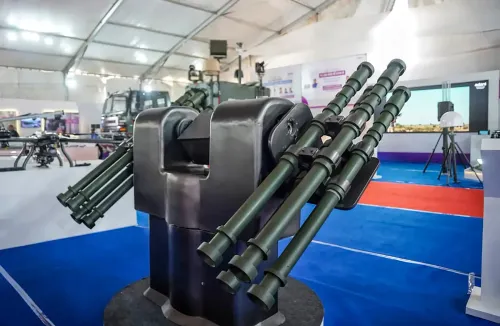
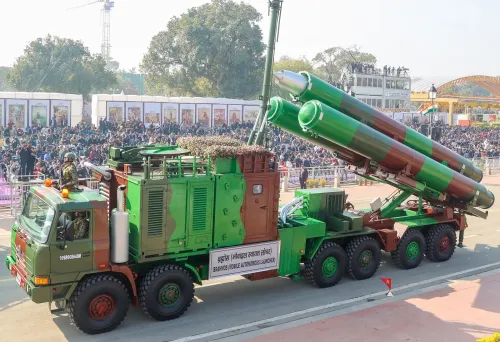
India's indigenous defence manufacturing has undergone a structural transformation over the past decade. The value of domestic defence production reached a record ₹1.78 lakh crore in FY26, a 15.6 per cent increase from ₹1,54,071 crore in the previous fiscal year. This compares with just ₹46,429 crore in 2014–15, reflecting the cumulative impact of self-reliance policies and targeted investment over roughly a decade.
Electronics and Semiconductor Surge
Electronics production rose from ₹11.32 lakh crore in FY25 to ₹13.11 lakh crore in FY26, a year-on-year increase of 15.8 per cent, the factsheet stated. Mobile phone manufacturing has been a standout performer, with exports reaching ₹2.59 lakh crore. On the semiconductor front, 12 manufacturing units have been approved under the Semicon India Programme 1.0 as of July 2026, with investments exceeding ₹1.64 lakh crore. These units include one silicon fab, one silicon carbide fab, an integrated Gallium Nitride Micro LED display fab, and nine packaging units — a portfolio that signals India's intent to move up the global chip supply chain.
PLI Scheme Attracting Significant Investment
The Production-Linked Incentive (PLI) scheme for Large Scale Electronic Manufacturing (LSEM) has drawn approximately ₹96,000 crore in investments across the mobile manufacturing ecosystem. This comes amid broader recognition that India's cost competitiveness and scale make it a viable alternative to established electronics hubs in East Asia, particularly as global supply chains continue to diversify post-pandemic.
Pharmaceuticals and What Comes Next
The factsheet also highlighted steady growth in pharmaceutical production, exports, and domestic innovation, reinforcing India's standing as a trusted supplier to global markets. Notably, this broad-based sectoral expansion — spanning defence, electronics, semiconductors, and pharma — suggests that government schemes are generating momentum across multiple verticals simultaneously, rather than concentrating gains in a single industry. Whether these headline growth rates translate into sustained, quality employment at scale will be the defining test of the current industrial push.
Point of View
But manufacturing's share of GDP — at 16–17% — has barely budged from where it stood a decade ago despite repeated policy pushes. The real gains are concentrated in defence and electronics, sectors that benefit from explicit government procurement and PLI incentives; the broader industrial base remains uneven. The semiconductor approvals are genuinely significant, but approvals and operational fabs are different things — India is still years away from meaningful chip output. The employment figure of 27 million workers deserves scrutiny too: in a labour force of India's scale, that share is modest, and output-linked schemes do not automatically generate proportionate jobs.
NationPress
30 Sept 2026
Frequently Asked Questions
What is India's manufacturing sector CAGR as of 2026?
India's manufacturing sector has recorded a compounded annual growth rate (CAGR) of 10.88 per cent in GVA at constant prices, according to an official government factsheet released on 15 August 2026. The sector currently contributes 16–17 per cent of GDP and employs over 27 million workers.
What was India's indigenous defence production value in FY26?
Indigenous defence production reached a record ₹1.78 lakh crore in FY26, a 15.6 per cent increase from ₹1,54,071 crore in FY25. This compares with just ₹46,429 crore in 2014–15, reflecting a near-fourfold rise over roughly a decade.
How has India's electronics sector performed in FY26?
Electronics production grew 15.8 per cent year-on-year to ₹13.11 lakh crore in FY26, up from ₹11.32 lakh crore in FY25. Mobile phone exports alone reached ₹2.59 lakh crore, making the segment one of the fastest-growing export categories.
What is the status of India's semiconductor manufacturing programme?
As of July 2026, 12 manufacturing units have been approved under the Semicon India Programme 1.0, with investments exceeding ₹1.64 lakh crore. The approved facilities include one silicon fab, one silicon carbide fab, a Gallium Nitride Micro LED display fab, and nine packaging units.
How much investment has the PLI scheme for electronics attracted?
The PLI scheme for Large Scale Electronic Manufacturing (LSEM) has attracted approximately ₹96,000 crore in investments across the mobile manufacturing ecosystem. The scheme is credited with accelerating India's emergence as a global mobile phone production hub.