Ethanol can boost India's energy security, says Dr Mashelkar
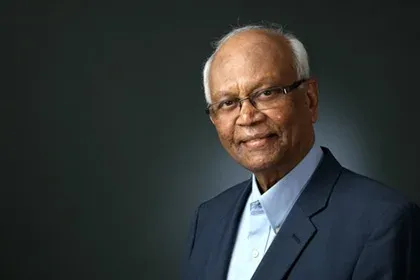
Synopsis
One of India's most decorated scientists has put his weight behind the country's ethanol programme — and gone further, calling for a full alternative-fuel basket including methanol, biogas, and green hydrogen. Dr Mashelkar's invocation of Brazil's 30-40 year ethanol track record, combined with a sharp warning about West Asia supply risks, frames India's biofuel push not as an environmental choice but as a strategic imperative.
Key Takeaways
Dr Raghunath Anant Mashelkar , Padma Vibhushan awardee and former CSIR Director General , endorsed India's ethanol-blended fuel programme on 14 July .
He cited Brazil's 30-40 years of running vehicles on ethanol as proof of the fuel's viability.
Geopolitical tensions in West Asia were flagged as a key reason for India to accelerate domestic fuel production.
Dr Mashelkar called for a broader clean fuel mix including methanol , dimethyl ether , compressed biogas , and biomass-based green hydrogen .
He recommended using degraded and semi-degraded land to grow energy crops like Napier grass , keeping food farmland unaffected.
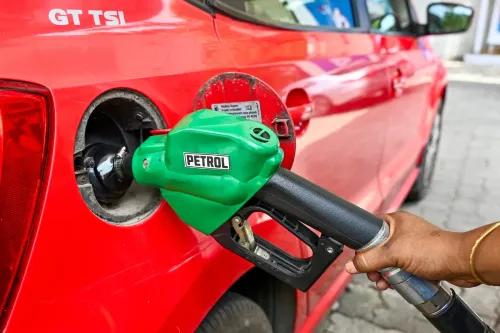
Eminent scientist and Padma Vibhushan awardee Dr Raghunath Anant Mashelkar on Tuesday backed India's ethanol-blended fuel programme, asserting that ethanol has already demonstrated its viability as a transport fuel globally and can play a pivotal role in securing the country's energy future. The remarks by the former Director General of the Council of Scientific and Industrial Research (CSIR) come as India accelerates its push to reduce dependence on imported crude oil.
Brazil's Decades of Evidence
Dr Mashelkar, a chemical engineer and Fellow of the Royal Society, pointed to Brazil's longstanding experience with ethanol-powered vehicles as compelling proof of the fuel's real-world viability. 'Brazil has been running vehicles on ethanol for 30-40 years. That experience tells us that ethanol is a viable fuel,' he said.
He argued that scaling up ethanol use alongside other domestically produced fuels would directly reduce India's exposure to volatile global crude markets, improving the country's energy self-reliance.
Geopolitical Tensions Sharpen the Case
Referring to recent geopolitical tensions in West Asia, Dr Mashelkar warned that disruptions to global energy supply chains underscore the urgency of accelerating domestic alternative fuel adoption. 'We need self-reliance. We should produce our own fuels,' he said, adding that dependence on imported energy leaves nations vulnerable to geopolitical conflicts and supply shocks.
This comes amid sustained volatility in global oil markets, which has repeatedly exposed the fiscal cost of India's heavy crude import bill — estimated at over ₹12 lakh crore annually in recent years.
A Broader Clean Fuel Basket
Dr Mashelkar was careful to frame ethanol not as a standalone solution but as part of a wider clean energy transition. He called for simultaneous development of methanol, dimethyl ether, compressed biogas, and biomass-based green hydrogen. 'I am not just talking about ethanol. We have to look at all these alternative fuels,' he said.
He placed particular emphasis on biomass as a foundational feedstock. 'The sun is shining, and biomass is produced from solar energy. Biomass should be our main feedstock from which we can produce fuels,' he said.
Degraded Land as an Untapped Resource
Dr Mashelkar also highlighted an often-overlooked opportunity: using degraded and semi-degraded land to cultivate energy crops such as Napier grass for producing compressed biogas and green hydrogen. He stressed that this approach need not compete with food production, as such land is currently underutilised for agriculture.
With India's 20% ethanol-blending target for petrol now within sight and policy momentum building around biofuels, Dr Mashelkar's endorsement adds scientific weight to what has increasingly become a strategic national priority. The next phase will test whether domestic feedstock supply chains can scale fast enough to match ambition.
Point of View
He shifts the debate from 'can ethanol work?' to 'why hasn't India moved faster?' The more pointed challenge is feedstock: India's ethanol programme has repeatedly run into sugar-cycle volatility and diversion concerns. Until the biomass and energy-crop supply chain he envisions is built at scale, the fuel basket he describes remains aspirational. The degraded-land proposal is the most underreported idea here — if India has the political will to map and mobilise that resource, it could decouple biofuel growth from food security trade-offs entirely.
NationPress
12 Oct 2026
Frequently Asked Questions
What did Dr Mashelkar say about ethanol as a fuel for India?
Dr Raghunath Anant Mashelkar said ethanol is a viable transport fuel and can strengthen India's energy security by reducing dependence on imported crude oil. He cited Brazil's 30-40 years of running vehicles on ethanol as evidence of its real-world viability.
Why is India's ethanol programme strategically important?
India spends heavily on crude oil imports each year, leaving it exposed to global price shocks and geopolitical disruptions — most recently in West Asia. Scaling domestic ethanol and other alternative fuels would reduce that vulnerability and improve energy self-reliance.
What other alternative fuels did Dr Mashelkar recommend?
Beyond ethanol, Dr Mashelkar called for developing methanol, dimethyl ether, compressed biogas, and biomass-based green hydrogen as part of a diversified clean fuel strategy. He emphasised that biomass should be India's primary feedstock for producing these fuels.
How does Dr Mashelkar propose to grow energy crops without affecting food production?
He suggested using degraded and semi-degraded land — currently underutilised for agriculture — to cultivate energy crops such as Napier grass for compressed biogas and green hydrogen production, ensuring no conflict with food farmland.
Who is Dr Raghunath Anant Mashelkar?
Dr Raghunath Anant Mashelkar is a Padma Vibhushan awardee, chemical engineer, and Fellow of the Royal Society. He served as Director General of the Council of Scientific and Industrial Research (CSIR) and is one of India's most recognised figures in science and technology policy.