Gadkari approves 100% ethanol fuel use to cut India's fossil fuel imports
Synopsis
Nitin Gadkari signed off on 100% ethanol as a legal vehicle fuel on the evening of 13 June — a regulatory first for India. With Toyota, Suzuki, MG, and Hyundai set to launch compatible vehicles within weeks, this is the clearest signal yet that India’s ethanol transition is moving from policy ambition to showroom reality.
Key Takeaways
Union Minister Nitin Gadkari signed regulations on 13 June authorising 100 per cent ethanol as a standalone vehicle fuel.
Toyota , Suzuki , MG , and Hyundai are expected to launch 100 per cent ethanol-compatible vehicles within the next month and a half .
The government recently introduced E85 fuel for flex-fuel vehicles, ahead of the 100% ethanol authorisation.
Ethanol blending in petrol rose from 1.5 per cent in 2014 to 10 per cent by November 2022 ; the 20 per cent blending target set for 2030 was achieved in 2024 .
The move is aimed at reducing India’s dependence on imported fossil fuels and lowering the national fuel import bill.
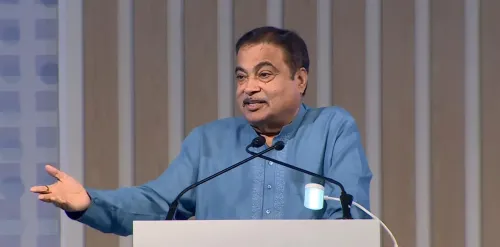
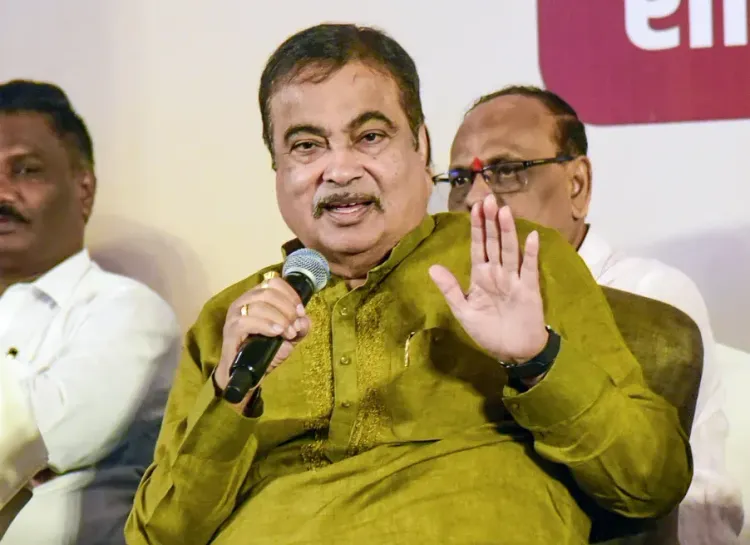
Union Minister for Road Transport and Highways Nitin Gadkari on 14 June announced that he has formally approved regulations permitting the use of 100 per cent ethanol as a standalone vehicle fuel, a move aimed at reducing India's dependence on costly imported fossil fuels and accelerating the transition to alternative energy sources. The approval was signed the previous evening.
“Last night at 8 pm, I signed the file, finalising the regulations to legally authorise the use of 100 per cent ethanol,” Gadkari said at a press conference in Nagpur, held to mark 12 years of the NDA government.
What the Approval Means
The green light for 100 per cent ethanol fuel allows vehicles to run entirely on ethanol, positioning it as a direct alternative to petrol. Gadkari noted that the idea was long dismissed by critics and peers alike. “I used to talk about this dream, and people used to laugh. Some friends even used to criticise it,” the minister said.
Ethanol, derived largely from sugarcane and other agricultural feedstocks, could significantly dent India’s fuel import bill if adopted at scale. The approval marks a regulatory milestone that had been years in the making.
Automakers Set to Launch Ethanol Vehicles
Several major automobile manufacturers are reportedly preparing to roll out 100 per cent ethanol-compatible vehicles in the near term. According to Gadkari, companies including Toyota, Suzuki, MG, and Hyundai are expected to launch such vehicles within the next month and a half. The move signals that the automotive industry is aligning with the government’s alternative fuel agenda.
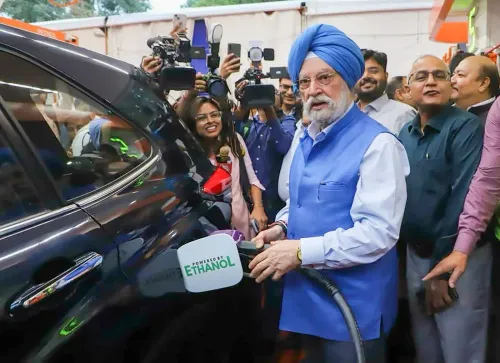
This follows the government’s recent introduction of E85 fuel — a blend of 85 per cent ethanol and 15 per cent petrol — specifically for E85-compatible flex-fuel vehicles, further expanding the range of ethanol-based options available in the market.
India’s Ethanol Blending Progress
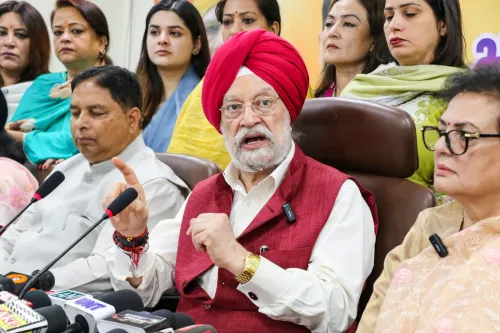
Petroleum and Natural Gas Minister Hardeep Puri highlighted India’s rapid progress on ethanol blending, noting that the country has surpassed its blending targets well ahead of schedule. Ethanol blending in petrol rose from 1.5 per cent in 2014 to 10 per cent in November 2022.
“Our target was to achieve 20 per cent blending by 2030, but we completed it in 2024 itself,” Puri said. He added that the government is currently in wide-ranging discussions with industry stakeholders, including automobile body SIAM, to chart the path forward.
What Comes Next
With regulatory authorisation now in place for 100 per cent ethanol fuel, the focus shifts to vehicle availability, fuel distribution infrastructure, and consumer adoption. Industry observers note that the rollout of compatible vehicles by Toyota, Suzuki, MG, and Hyundai will be a key early test of market readiness. Broader adoption will depend on how quickly ethanol supply chains and retail fuel networks scale up to meet demand.
Point of View
But the harder work begins now. India has consistently beaten its blending targets, yet the leap from a 20 per cent blend to a 100 per cent ethanol vehicle requires a fundamentally different supply chain, retail infrastructure, and consumer mindset. The six-week vehicle launch timeline from four major automakers is either a genuine market signal or a goodwill gesture ahead of a slow rollout — the distinction matters enormously for farmers, sugarcane cooperatives, and the oil import bill alike. Without visible investment in ethanol pumping stations and price parity mechanisms, the regulatory win risks staying on paper.
NationPress
13 Sept 2026
Frequently Asked Questions
What did Nitin Gadkari approve regarding ethanol fuel?
Gadkari signed regulations on the evening of 13 June formally authorising the use of 100 per cent ethanol as a standalone vehicle fuel in India. The approval is intended to reduce the country’s reliance on imported fossil fuels and promote alternative energy adoption.
Which automakers will launch 100% ethanol-compatible vehicles in India?
Toyota, Suzuki, MG, and Hyundai are expected to launch 100 per cent ethanol-compatible vehicles within the next month and a half, according to Gadkari. Their entry signals early industry alignment with the government’s ethanol fuel policy.
What is E85 fuel and how does it differ from 100% ethanol?
E85 is a blend of 85 per cent ethanol and 15 per cent petrol, introduced recently for E85-compatible flex-fuel vehicles. The newly approved 100 per cent ethanol fuel goes further, allowing vehicles to run entirely on ethanol without any petrol component.
How far has India progressed on ethanol blending?
India raised ethanol blending in petrol from 1.5 per cent in 2014 to 10 per cent by November 2022, and achieved its 20 per cent blending target — originally set for 2030 — in 2024 itself, according to Petroleum Minister Hardeep Puri.
Why does 100% ethanol fuel matter for India’s economy?
India spends heavily on petroleum imports each year, and ethanol — largely produced domestically from sugarcane — offers a way to reduce that outflow. Widespread adoption of 100 per cent ethanol vehicles could meaningfully lower the national fuel import bill while supporting the agricultural sector.