Ethanol stove cheaper than LPG, says Gadkari; ₹40 crore for youth science
Synopsis
Nitin Gadkari has unveiled a stove that runs on a 7% ethanol-water mix — and claims it undercuts LPG on cost. As India pushes ethanol blending to 20% in petrol, extending the same logic to household cooking could be the next frontier, though commercial scale-up and safety validation remain untested.
Key Takeaways
Nitin Gadkari unveiled an indigenous ethanol-water cooking stove at an event in Nagpur on 25 May .
The stove uses a 7% ethanol-water blend and is claimed to be cheaper than commercial LPG cylinders .
India imports nearly 87% of its crude oil, making domestic energy alternatives a key policy priority.
Ethanol blending in petrol has risen from 1.53% in 2014 to 20% in 2025 .
Gadkari also announced a ₹40 crore project to promote scientific curiosity among children and youth.
The technology is yet to be commercially scaled or independently safety-verified.
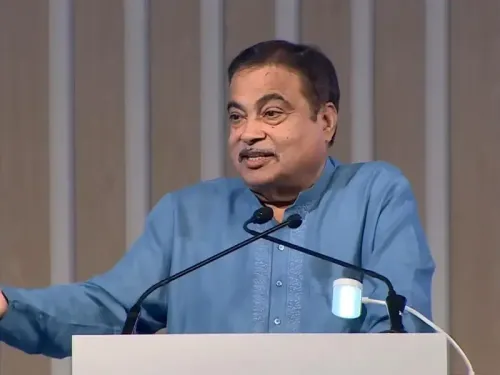
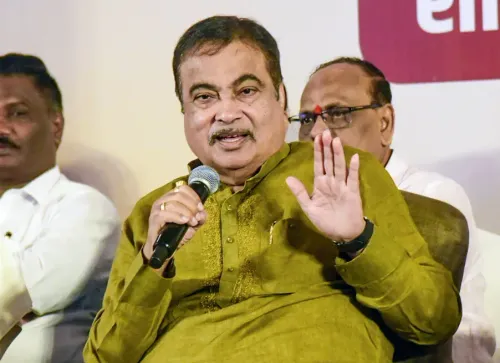
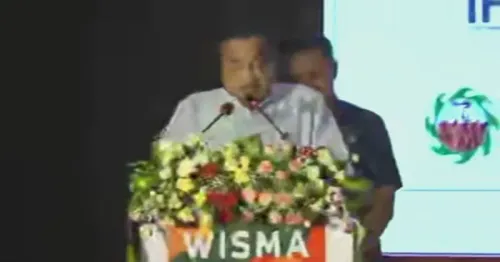
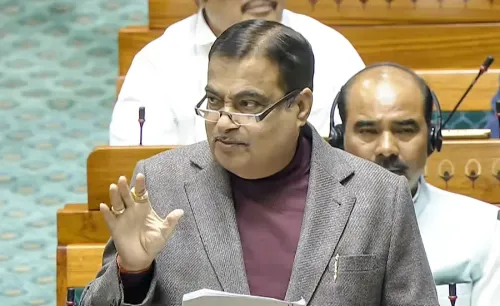
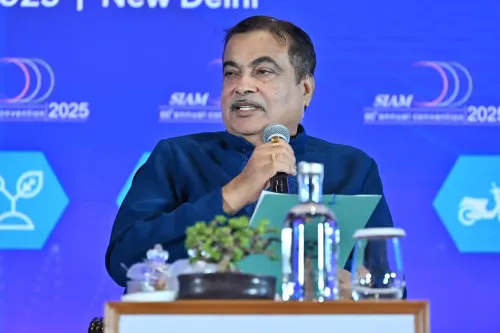
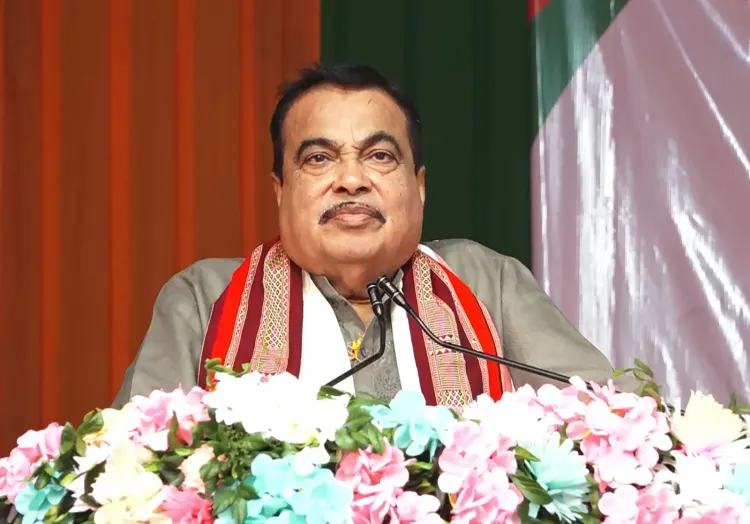
Union Minister for Road Transport and Highways Nitin Gadkari on 25 May unveiled an indigenous ethanol-based cooking stove technology at an event in Nagpur, claiming it can generate cooking flames at a lower cost than commercial LPG cylinders. The minister also announced a ₹40 crore initiative to foster scientific curiosity among India's youth.
How the Technology Works
According to Gadkari, the stove operates on a blend of ethanol and water rather than conventional cooking gas. 'By mixing 7 per cent ethanol in water, stove-like flames are generated, and it is cheaper than cooking gas. It is indigenous to our country,' the minister said. The technology is described as entirely domestically developed, aligning with India's broader self-reliance push in the energy sector.
India's Ethanol Push: The Bigger Picture
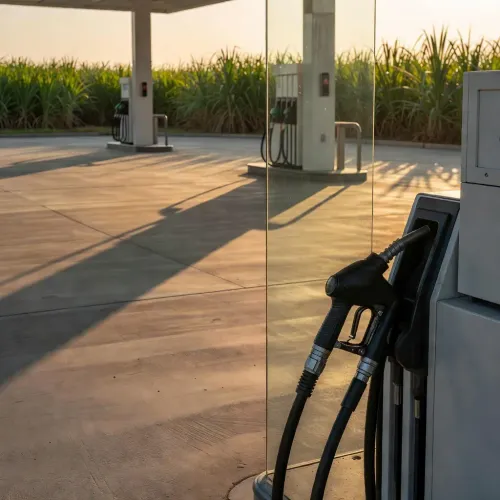
The announcement is consistent with Gadkari's long-standing advocacy for ethanol as a cost-effective and cleaner substitute for fossil fuels. India currently imports nearly 87 per cent of its crude oil requirements, making energy security a central policy concern. The government has aggressively scaled ethanol blending in petrol, with levels rising from 1.53 per cent in 2014 to 20 per cent in 2025 — a trajectory Gadkari has championed across transportation and energy sectors. The proposed cooking stove technology extends this vision to the domestic household segment, where millions of families remain dependent on LPG.
Potential Impact on Households
If successfully commercialised and scaled, the ethanol-water stove could offer a cheaper, locally produced alternative to conventional cooking gas for millions of Indian households. Notably, this comes at a time when LPG prices remain a persistent concern for lower- and middle-income families. The innovation could also further support domestic agriculture, as ethanol production in India is largely sugarcane-based, creating a direct link between rural livelihoods and clean-energy adoption.
₹40 Crore for Youth Science Initiative
Alongside the energy announcement, Gadkari unveiled a ₹40 crore project aimed at nurturing innovation and scientific temperament among children and young Indians. 'As technology is evolving, we are also working on a project worth ₹40 crore to ignite the love for science in the youth and children,' he said. Further details on the project's structure and implementing agency were not immediately disclosed.
What Comes Next
The ethanol stove technology is yet to be commercially scaled or independently verified for safety and efficiency standards. Regulatory clearances, supply-chain development for ethanol distribution at the household level, and consumer adoption will be key hurdles before the technology can meaningfully challenge LPG's dominance in Indian kitchens. Industry observers will watch for a formal rollout plan in the months ahead.
Point of View
But the distance between a ministerial demonstration and a kitchen-ready product is considerable. India's ethanol blending success in transport took over a decade of supply-chain building, mandates, and price support — replicating that for household cooking is a far more complex challenge involving safety certification, last-mile ethanol distribution, and consumer behaviour change. The ₹40 crore science initiative, meanwhile, is modest against India's scale of educational need. Both announcements reflect Gadkari's signature style: bold vision, early-stage technology — the harder question is always what comes after the event in Nagpur.
NationPress
9 Oct 2026
Frequently Asked Questions
What is the ethanol-based cooking stove unveiled by Nitin Gadkari?
It is an indigenous stove technology that uses a blend of 7% ethanol in water to generate cooking flames, unveiled by Union Minister Nitin Gadkari at an event in Nagpur on 25 May. Gadkari claimed it is cheaper than commercial LPG cylinders and entirely domestically developed.
How does the ethanol-water stove compare to LPG in cost?
According to Gadkari, the ethanol-water stove produces flames at a lower cost than conventional LPG cooking gas. However, independent cost verification or commercial pricing has not yet been disclosed.
What is India's current status on ethanol blending?
India has scaled ethanol blending in petrol from 1.53% in 2014 to 20% in 2025, one of the fastest blending ramp-ups globally. The new stove technology would extend ethanol's role from transport fuel to household cooking.
What is the ₹40 crore initiative Gadkari announced?
Gadkari announced a ₹40 crore project aimed at igniting interest in science and technology among children and young Indians. Details on the implementing agency or programme structure were not immediately made available.
When will the ethanol stove be available for households?
No commercial launch timeline has been announced. The technology still requires commercial scaling, safety certification, and an ethanol distribution network at the household level before it can serve as a practical LPG alternative.