Nvidia Hosts AI Ecosystem Dinner With South Korean Tech Giants
Synopsis
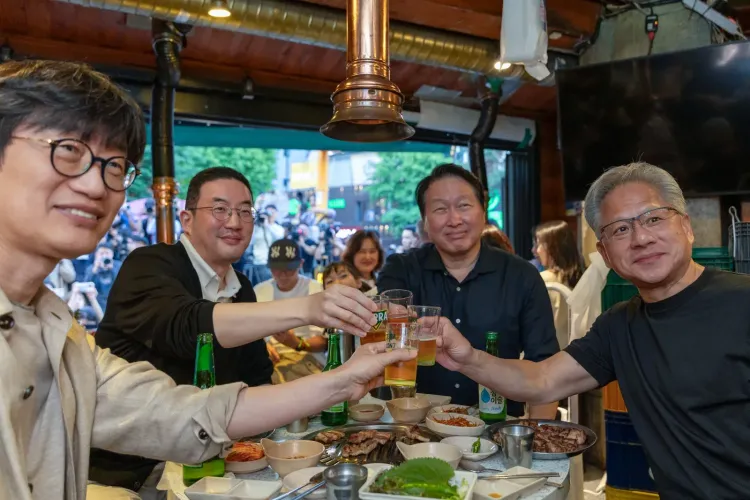
Nvidia hosted a private Friday evening dinner with executives from South Korean tech and semiconductor giants SK Hynix, LG Electronics, Naver, and Hyundai Motor Group, reinforcing its strategy of building deep AI ecosystem alliances across hardware, software, and mobility sectors.
Key Takeaways
Nvidia hosted a private dinner with leaders from SK Hynix , LG Electronics , Naver , and Hyundai Motor Group (HMG) .
The event was framed as a meeting of ' AI ecosystem partners ,' signalling strategic rather than routine engagement.
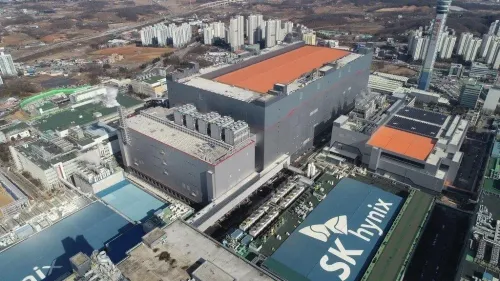
SK Hynix is a critical supplier of high-bandwidth memory chips essential to Nvidia's AI GPUs.
South Korean firms span memory chips, consumer electronics, internet services, and automotive AI — covering the full AI value chain.
Such private engagements are part of Nvidia's broader strategy to coordinate roadmaps and secure component access for next-generation AI systems.
Upcoming earnings calls from these companies may reveal any supply agreements or joint projects discussed.
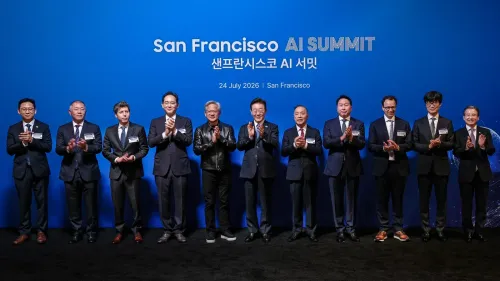
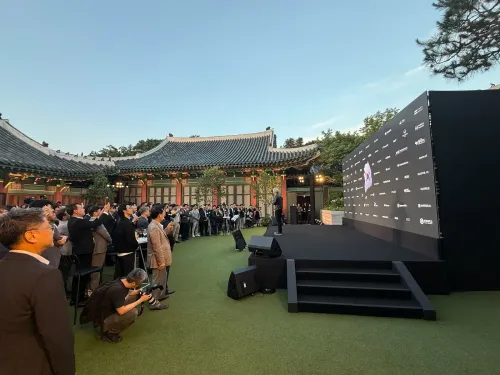
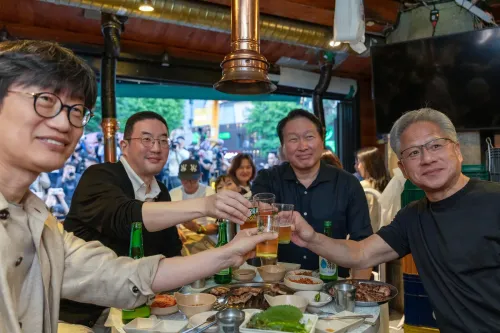
Chip giant Nvidia hosted a private dinner on a Friday evening with leaders from four major technology and semiconductor companies — HM Group (Hyundai Motor Group), LG Electronics, Naver, and SK Hynix — as part of an ongoing effort to deepen ties across its global AI ecosystem.
Context
The gathering, described by Nvidia as a meeting with 'AI ecosystem partners,' brought together executives from some of South Korea's most strategically significant technology companies. SK Hynix, a leading memory chipmaker, supplies high-bandwidth memory that is central to the performance of Nvidia's AI GPUs. LG Electronics and Naver represent the consumer electronics and internet services verticals respectively, while Hyundai Motor Group has been expanding aggressively into AI-driven smart mobility.
Private dinners of this nature are a recurring feature of Nvidia's partner engagement strategy, allowing the company to coordinate roadmaps and build relationships outside formal conference settings. The format signals a depth of engagement that goes beyond routine vendor interactions.
Policy Backdrop
South Korean firms have invested heavily in domestic AI research and data centre infrastructure over the past decade, positioning the country as a critical node in the global AI supply chain. SK Hynix in particular has emerged as a pivotal supplier of high-bandwidth memory (HBM) chips, a component that has become a bottleneck in scaling AI training clusters.
Nvidia's collaboration with SK Hynix on HBM technology spans several product generations, and the two companies' fortunes have become closely intertwined as demand for AI infrastructure accelerates worldwide. South Korea's government has also backed semiconductor self-sufficiency initiatives, adding a policy dimension to these corporate relationships.
Stakeholders and Impact
For LG Electronics, closer alignment with Nvidia could accelerate the integration of AI capabilities into connected home and enterprise devices. Naver, which operates large-scale AI models and cloud services, stands to benefit from early access to next-generation Nvidia hardware and software frameworks.
Hyundai Motor Group's participation underscores how the automotive sector is now a frontline consumer of AI compute, from autonomous driving to factory automation. Collectively, these partnerships reflect Nvidia's strategy of anchoring its ecosystem across hardware, software, internet services, and mobility — ensuring that its platforms become the default infrastructure layer for AI development across industries.
What's Next
Analysts and investors will watch upcoming earnings calls from both Nvidia and its South Korean partners for any disclosures of joint projects, supply agreements, or co-development initiatives that may have been discussed at such engagements. Subsequent product launches or expanded memory supply deals between Nvidia and SK Hynix would be the most immediate indicator of outcomes from deepened executive-level dialogue.
As the global competition for AI infrastructure leadership intensifies, private forums like this dinner increasingly shape the alliances and supply chains that will define the next generation of AI systems.
Point of View
Securing trusted partner networks in allied nations like South Korea has become a strategic imperative for American chip companies.
NationPress
24 Oct 2026
Frequently Asked Questions
Why did Nvidia host a private dinner with South Korean tech companies?
Nvidia hosted the dinner to strengthen ties with key AI ecosystem partners including SK Hynix, LG Electronics, Naver, and Hyundai Motor Group, companies that supply critical components and platforms for AI infrastructure development.
What is SK Hynix's role in Nvidia's AI business?
SK Hynix is a leading manufacturer of high-bandwidth memory (HBM) chips, which are essential for the performance of Nvidia's AI GPUs used in data centres and AI training clusters worldwide.
What is Naver's connection to AI and Nvidia?
Naver is South Korea's dominant internet company and operates large-scale AI models and cloud services, making it a significant consumer of advanced AI compute hardware like Nvidia's GPUs.
How does Hyundai Motor Group relate to AI and Nvidia?
Hyundai Motor Group has been expanding into AI-driven smart mobility and autonomous vehicle technology, making it an increasingly important customer for AI compute infrastructure.
What could come out of Nvidia's meeting with South Korean AI partners?
Potential outcomes include new supply agreements, co-development projects, or expanded memory chip deals, which analysts expect may be disclosed in upcoming earnings calls from Nvidia or its South Korean partners.