Oura Health confidentially files for IPO with SEC
Synopsis
Oura Health, maker of the biometric Oura Ring, has confidentially filed IPO paperwork with the SEC, the company confirmed — a landmark step for one of wearable health tech's most prominent private players, though share count and price range remain undisclosed.
Key Takeaways
Oura Health confirmed it filed confidential IPO paperwork with the U.S.
Securities and Exchange Commission on Thursday .
The company has not yet set a share count or price range for the offering. according to reports, Oura had been interviewing banks to advise on its IPO as recently as March .
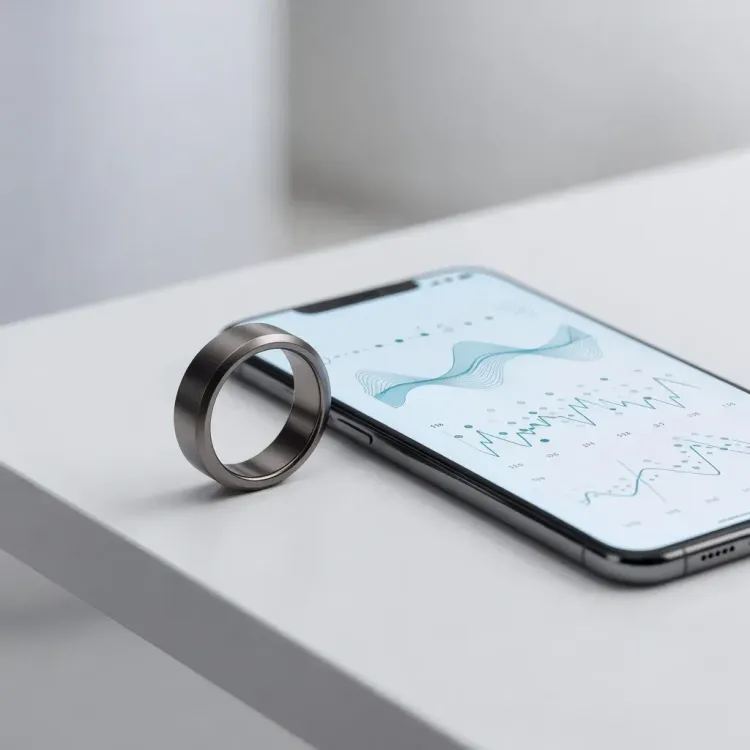
Oura Health was founded in 2013 in Finland and makes the Oura Ring , a finger-worn biometric tracking device.
The confidential filing route is permitted under U.S.
JOBS Act provisions, keeping financial details private until closer to the public offering.
Oura Health, the Finland-based maker of the popular Oura Ring biometric wearable, has confidentially filed its initial public offering paperwork with the U.S. Securities and Exchange Commission, the company confirmed. The filing, submitted on Thursday, marks a formal step toward a public listing, though Oura has not yet determined the number of shares it will offer or the proposed price range.
The Filing Details
The confidential submission was made directly by the company, which confirmed the move without disclosing further financial specifics. according to reports, Oura had been interviewing banks to advise on its IPO as recently as March, signalling that preparations have been underway for several months. Confidential filings of this kind are permitted under U.S. JOBS Act provisions, allowing companies to submit initial paperwork to the SEC while keeping financial details private until closer to the public offering.
What Oura Makes
Oura Health, founded in 2013 in Finland, develops the Oura Ring — a finger-worn device that tracks sleep quality, heart rate variability, body temperature, and daily activity, generating personalised recovery and readiness scores for users. The product has attracted a broad consumer following and partnerships with professional sports organisations for athlete performance monitoring. The company expanded its product line with a third-generation ring in 2021, broadening its appeal in the competitive wearable health market.
Why It Matters
The move positions Oura among a wave of digital health and wearable technology companies pursuing public listings as consumer adoption of personal biometric tracking has accelerated since 2020. A successful listing would give the company access to capital to scale sensor manufacturing, cloud analytics infrastructure, and international distribution. Hardware-focused digital health firms have historically used IPO proceeds to fund the kind of global expansion that is difficult to sustain on private funding alone.
Competitive Backdrop
The wearable health space has grown increasingly crowded, with major technology companies and dedicated hardware makers competing for users' wrists and fingers. Oura's ring form factor differentiates it from dominant smartwatch players, but the company will face investor scrutiny over user retention, subscription revenue, and the long-term defensibility of its sensor technology. The public markets will also assess how Oura plans to compete as larger platforms integrate similar biometric features natively into their devices.
What's Next
The company must still determine share count and price range before proceeding to a public roadshow, meaning the timeline for an actual listing remains open. Investors and industry observers will watch for the prospectus disclosure, which will reveal revenue figures, user growth, and the names of underwriting banks for the first time. The outcome of this offering could set a benchmark for other digital health hardware companies eyeing the public markets in the near term.
Point of View
Hardware-first health companies carry inventory risk, razor-thin margins on devices, and the constant threat of platform encroachment from Apple and Google embedding similar biometrics into their own ecosystems. The timing also reflects a broader pattern of private health-tech firms racing to list before regulatory scrutiny of biometric data collection intensifies in both the U.S. and EU. Investors will ultimately judge Oura not on its ring, but on how sticky its recurring subscription revenue proves to be at scale.
NationPress
7 Oct 2026
Frequently Asked Questions
What did Oura Health file with the SEC?
Oura Health filed confidential initial public offering paperwork with the U.S. Securities and Exchange Commission on Thursday , the company confirmed. The filing is a formal step toward a public stock listing but does not yet include a share count or price range.
Why is Oura's IPO filing confidential?
Confidential filings are permitted under U.S. JOBS Act provisions, allowing eligible companies to submit initial IPO paperwork to the SEC privately. Financial details such as revenue, valuation, and underwriter names remain undisclosed until the company publicly files its prospectus closer to the listing date.
What is the Oura Ring and who makes it?
Oura Health , founded in 2013 in Finland , makes the Oura Ring — a finger-worn wearable device that tracks sleep, heart rate variability, body temperature, and activity. The device generates personalised wellness and recovery scores for its users.
When will Oura Health's IPO happen?
No timeline has been announced. Oura has not yet determined the number of shares or the price range for its offering, meaning a public roadshow and listing date are still to be confirmed. The company had reportedly been interviewing banks to advise on the process as of March .
How does Oura compare to other wearable health companies?
Oura 's ring form factor distinguishes it from smartwatch-focused competitors, targeting a segment of users who prioritise sleep and recovery tracking over general-purpose device features. The company faces competition from large technology platforms that are increasingly integrating biometric tracking directly into their own hardware ecosystems.