FIFA World Cup 2026: 1.7 bn YouTube viewers, 200 bn lifetime views, Sundar Pichai says
Synopsis
YouTube's FIFA World Cup 2026 numbers are staggering: 1.7 billion unique viewers, 200 billion lifetime views, and a Creator Cup that alone pulled 10 million live streams. Google CEO Sundar Pichai's announcement signals that YouTube has cemented itself as the world's dominant sports streaming destination — just as the battle for live sports rights enters its most competitive phase.
Key Takeaways
Google CEO Sundar Pichai confirmed YouTube drew over 1.7 billion unique global viewers for FIFA World Cup 2026 -related content.
Lifetime views of World Cup-related content on YouTube surpassed 200 billion , making it the platform's most-watched World Cup ever.
YouTube CEO Neal Mohan said the platform's first Creator Cup generated over 10 million live views .
US President Donald Trump said over 6.5 million spectators attended the tournament — more than the combined attendance of the previous two World Cups.
The tournament's global productivity impact reached nearly $17 billion , per data from UKG ; US office attendance fell 26 per cent on 7 July , according to Envoy .
The tournament spanned 104 matches across 16 cities in the United States , Canada , and Mexico .
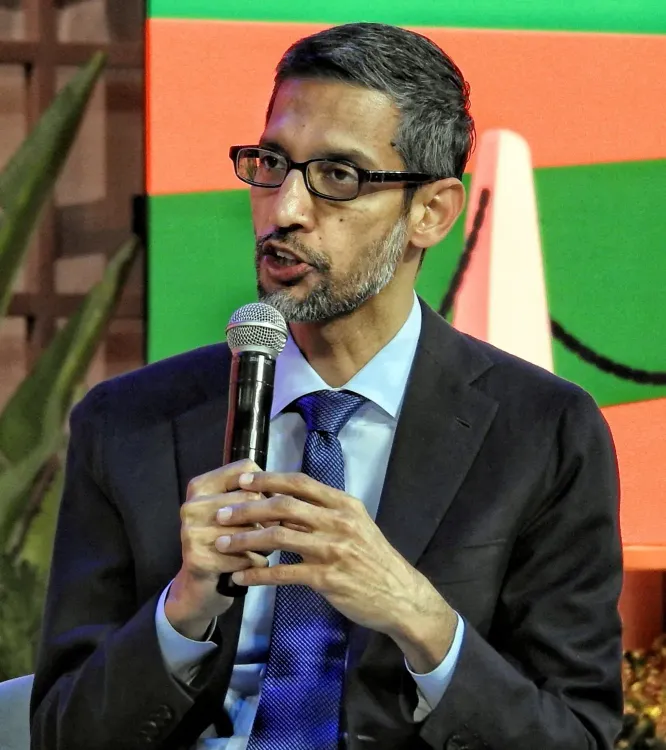
Google CEO Sundar Pichai on Wednesday, 22 July revealed that YouTube recorded over 1.7 billion unique global viewers for FIFA World Cup 2026-related videos, pushing lifetime views of related content past the 200 billion mark — making it the platform's most-watched World Cup edition in its history.
What Pichai and YouTube's CEO Said
Pichai shared the milestone figure on X, calling it 'our most viewed World Cup ever on YouTube, bringing lifetime views of related content to over 200 billion!' He amplified a post by YouTube CEO Neal Mohan, who provided additional audience data from the tournament.
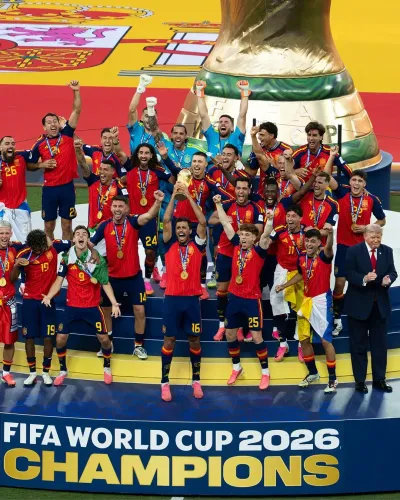
Mohan noted that YouTube's first-ever Creator Cup drew over 10 million live views, while the platform's creator cohort generated more than 2.5 million views through commentary and perspectives shared throughout the tournament. 'Congrats on an incredible championship, Spain! And a huge thanks to our partners, creators and teams at YouTube who made the fan experience unlike any other,' Mohan wrote in his post.
Trump Hails Record Attendance
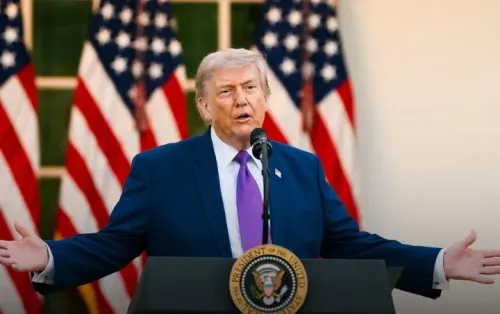
US President Donald Trump declared that over 6.5 million spectators attended the tournament in person — surpassing the combined attendance of the previous two World Cups. Trump called the event 'the most successful sporting event, maybe in the history of the world,' noting that fans from 200 countries attended 104 matches across 16 cities in the United States, Canada, and Mexico.
Workplace Disruption and Economic Impact
The FIFA World Cup 2026 left a significant mark on workplace productivity, particularly in the United States. According to data from workplace analytics firm UKG, the tournament's global economic impact reached nearly $17 billion, driven by higher absenteeism, late arrivals, and early departures during the competition.
Separately, data from workplace platform Envoy showed that the sharpest disruption came the day after the United States men's national team was eliminated from the tournament. Office attendance dropped 26 per cent on 7 July, while employee entries fell 11.5 per cent. Analysts estimate the tournament may have shaved as much as $11.7 billion off US productivity alone.
Why These Numbers Matter
The viewership figures underscore YouTube's growing dominance as a live and on-demand sports destination, challenging traditional broadcast rights holders. This is the first World Cup co-hosted across three nations — the US, Canada, and Mexico — and its scale appears to have amplified both digital engagement and real-world economic effects. Notably, Spain's championship run drew significant global attention, with creator-led content emerging as a meaningful audience driver alongside official broadcasts.
As streaming platforms compete aggressively for sports rights, the 200-billion lifetime-views milestone positions YouTube as an indispensable part of the global football ecosystem heading into future tournaments.
Point of View
But the more consequential number may be 200 billion lifetime views — a cumulative metric that reflects YouTube's years-long investment in football content, not just a single tournament spike. Traditional broadcasters who paid billions for exclusive rights are now competing with a platform that monetises the long tail of fan-made content just as effectively as the live match itself. The Creator Cup's 10 million live views is a small but telling signal: YouTube is actively building a parallel creator economy around sports, which no legacy rights holder can replicate. The $17 billion productivity dent is a reminder that the World Cup is no longer just a sporting event — it is a global media disruption event, and platforms like YouTube are its primary infrastructure.
NationPress
22 Jul 2026
Frequently Asked Questions
How many people watched FIFA World Cup 2026 videos on YouTube?
Over 1.7 billion unique global viewers watched FIFA World Cup 2026-related videos on YouTube, according to Google CEO Sundar Pichai. Lifetime views of related content crossed 200 billion, making it YouTube's most-watched World Cup ever.
What did YouTube CEO Neal Mohan say about the World Cup?
YouTube CEO Neal Mohan said the platform's first Creator Cup drew over 10 million live views, and the creator cohort generated more than 2.5 million views through commentary and tournament coverage. He also congratulated Spain on their championship win.
What did Donald Trump say about FIFA World Cup 2026 attendance?
US President Donald Trump said over 6.5 million spectators attended the tournament, surpassing the combined attendance of the previous two World Cups. He called it 'the most successful sporting event, maybe in the history of the world.'
How much did the FIFA World Cup 2026 cost US workplaces in productivity?
According to a report citing data from UKG, the tournament may have shaved as much as $11.7 billion off US productivity alone, with the global impact reaching nearly $17 billion due to absenteeism, late arrivals, and early departures.
Which day saw the biggest workplace disruption during the World Cup?
Data from workplace platform Envoy showed that office attendance dropped 26 per cent and employee entries fell 11.5 per cent on 7 July — the day after the United States men's national team was eliminated from the tournament.