Abhijit Vaghani on royalty vs upfront pay: India vs West music systems
Synopsis
With 27 years in Bollywood, composer Abhijit Vaghani defends India's upfront music payment model — where labels buy out rights entirely — while acknowledging that the Western royalty-sharing system is quietly taking root in India's independent music scene. His argument: for new artistes in India, waiting years for royalties to accumulate is simply not practical.
Key Takeaways
Abhijit Vaghani , a 27-year Bollywood veteran, has backed India's outright music payment model over Western-style royalty sharing.
In the Western model , songwriters receive equal revenue shares that grow over time — but it requires patience and an established audience.
India's outright payment system gives artistes immediate income in exchange for surrendering long-term rights to the label.
Vaghani says upfront payment can be more practical for new or emerging artistes who cannot afford to wait for royalties to accumulate.
India's independent music scene is increasingly adopting revenue-sharing, with viral songs capable of generating compounding royalty income over years.
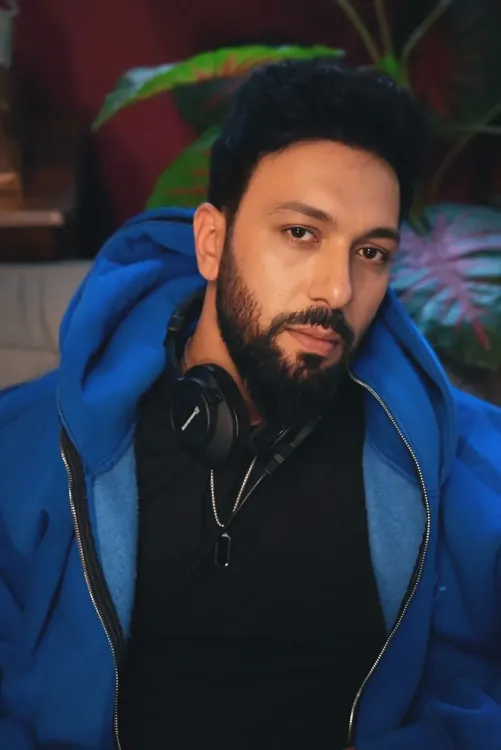
Veteran music composer and producer Abhijit Vaghani, with a 27-year career shaping the sound of Bollywood, has come out in support of the Indian music industry's practice of paying artistes upfront for their rights — rather than through residual royalty income. Speaking from his studio in Andheri West, Mumbai, Vaghani offered a nuanced breakdown of why the two systems exist and why both have merit depending on context.
How the Western Revenue-Sharing Model Works
Vaghani explained that in the West, songwriting credits are typically split equally among collaborators in a room. 'We have very different systems in the west and in India. If I'm a songwriter and I'm in a room, if I have three other songwriters with me, then our equal shares are formed. And that happens in a revenue sharing system,' he said.
Under this model, every credited contributor receives a proportional slice of earnings generated by a song — streams, sync placements, broadcasts — over the lifetime of the track. The longer a song stays in circulation, the more it pays out.
Why India's Outright Payment System Has Its Logic
In India, the dominant model works differently. Labels or producers pay composers, lyricists, and singers a one-time fee in exchange for full ownership of the music rights. The label then collects all downstream revenue. Vaghani acknowledged that this arrangement, while criticised for leaving artistes out of long-term earnings, serves a practical function in the Indian market.
'In our country, it might be really helping people. Because here, in the revenue systems, it takes a lot of time to gather revenue,' he noted. For a newcomer — a first-time music director or a rising singer — waiting months or years for streaming royalties to accumulate is not always viable. The upfront payment offers immediate financial certainty.
The Rise of Revenue Sharing in Independent Music
Vaghani pointed to a shift underway in India's independent music scene, where the Western revenue-sharing model is gaining ground. 'In independent songs right now, we do have a rise in the revenue sharing model. Which is also perfectly fine, because they are adapting to what the West is,' he said.
In this emerging framework, every contributor — regardless of their star power — receives an equal share. Crucially, a viral moment can dramatically accelerate earnings. 'As soon as your song goes viral, that share will keep increasing. You keep doing it for 10 years, 20 years, and you get a collection of these royalties, which amount up to a pretty good amount. You just have to wait. It's not like you get instant results,' Vaghani added.
What This Means for the Broader Music Industry
The debate Vaghani is engaging with sits at the heart of a larger global conversation about fair compensation for music creators. In India, where the recorded music market has expanded rapidly on the back of streaming platforms, the question of who captures long-term value — the label or the artiste — is becoming harder to ignore.
Notably, the Bollywood ecosystem has historically favoured the outright model, partly because the industry's economics were built around film productions that needed to own their soundtracks outright. As music increasingly decouples from films — driven by independent releases and playlist culture — the pressure to revisit compensation structures is likely to grow. How the industry responds will shape the livelihoods of the next generation of Indian music creators.
Point of View
But it sidesteps a structural problem: once an artiste's work generates outsized returns, they see none of it. The independent music boom in India is already exposing this fault line — streaming platforms pay per play, which means the value of catalogue keeps compounding, but only for whoever holds the rights. The real question is not which system suits a new artiste today, but whether India's music ecosystem will evolve fast enough to let creators capture value as they grow — or whether the label-ownership model will simply replicate itself in the streaming era under a different name.
NationPress
21 Oct 2026
Frequently Asked Questions
What is the difference between India's music payment system and the West's royalty model?
In India, composers and singers are typically paid a one-time upfront fee in exchange for full transfer of music rights to the label, which then collects all future revenue. In the West, a revenue-sharing model is common, where all credited songwriters receive equal shares of ongoing earnings from streams, broadcasts, and sync deals.
Why does Abhijit Vaghani support India's upfront payment model?
Vaghani argues that for new or emerging artistes in India, waiting for royalties to accumulate over time is not financially practical. An upfront payment provides immediate income, which can be critical early in a career when audience reach is still limited.
Is the Western royalty model growing in India?
Yes, according to Vaghani, India's independent music scene is increasingly adopting the revenue-sharing model. In this framework, all contributors receive equal shares, and earnings grow as songs gain streams — particularly if a track goes viral.
What are the long-term benefits of the royalty-sharing model?
Under a revenue-sharing model, artistes continue to earn from a song for as long as it generates streams or plays. Vaghani noted that building a catalogue over 10 to 20 years can result in a substantial cumulative income, though it requires patience and does not offer instant returns.
Who is Abhijit Vaghani?
Abhijit Vaghani is a Mumbai-based music composer and producer with over 27 years of experience in Bollywood. He has been involved in the creation of numerous Hindi film songs and operates a studio in the Andheri West area of Mumbai.