Abhijit Vaghani on AI in music: 'I don't have to answer to anyone'
Synopsis
Bollywood veteran Abhijit Vaghani has put his finger on an underreported reason producers are embracing AI: it removes the career-threatening awkwardness of telling a major playback singer their voice doesn't fit. After 27 years in Hindi film music, his endorsement carries weight — and points to how AI is quietly reshaping studio power dynamics, not just sound.
Key Takeaways
Abhijit Vaghani , with 27 years in Bollywood music, has publicly endorsed AI tools in music production.
He says AI allows composers to assess voice suitability without directly rejecting prominent singers, avoiding professional friction.
Vaghani also cited AI's utility in replacing the traditional scratch singing process, which requires studio visits and navigating Hindi language complexities.
He describes his own musical approach as genre-agnostic, maintaining a diverse playlist that informs his compositions across varied Bollywood briefs.
His comments reflect a broader industry debate about AI's role in Indian film music production in 2024–25.
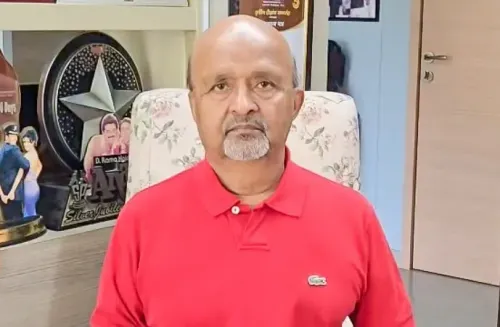
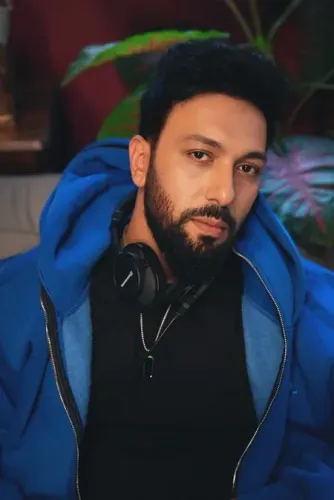
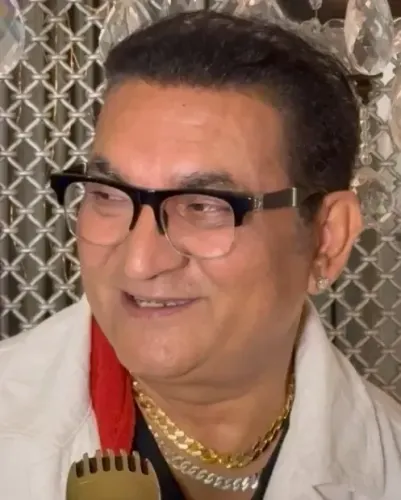
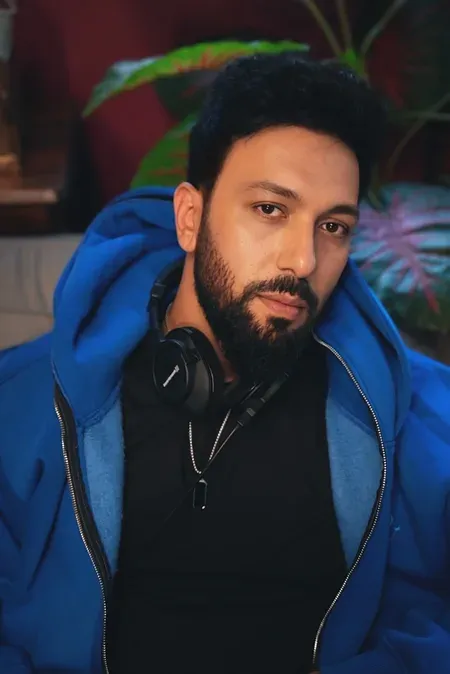
Veteran Bollywood music composer and producer Abhijit Vaghani has come out in support of artificial intelligence in music production, arguing that AI tools spare composers the uncomfortable task of rejecting established singers — and ultimately ensure more songs reach listeners. Vaghani, who has spent 27 years shaping the sound of Hindi cinema, shared his perspective during a conversation at his studio in Andheri West, Mumbai.
The Singer Rejection Problem AI Solves
Vaghani described a recurring pain point in the industry: the delicate, often awkward moment when a music director must tell a prominent playback singer that their voice does not suit a particular track. 'Earlier, I remember that there was once when we had called — I wouldn't name the singer, but a really big singer — to sing one of the songs,' he said. 'Imagine telling that big singer, whoever had come, the music director sitting there, and he has to have a call with the singer stating the fact that, "Hey, listen, your voice is not fitting the bill." I can't even put it on the producer.'
He argued that AI now changes that calculus entirely. 'In today's day with AI, I can actually judge that by doing it through AI. So, I don't have to answer to anyone. And everyone gets to hear that song,' Vaghani explained. The implication is significant: AI-assisted demos allow composers to make voice-fit decisions before human egos — and professional relationships — are put on the line.
Scratch Singing and Studio Logistics
Beyond the politics of rejection, Vaghani also flagged a more practical bottleneck — scratch singing. In the traditional workflow, a scratch singer must travel to the studio to record a guide vocal, a process complicated further by the linguistic demands of Hindi lyrics. 'The singer has to come to the studio for a session. Although in Hindi language, inclusion of certain words is very difficult, so you have to either make peace with it or call the scratch singer,' he noted. AI-generated scratch vocals, he suggested, can sidestep both the scheduling and the linguistic friction.
Vaghani's Genre-Agnostic Approach
Separately, the composer has spoken about his philosophy toward musical genres — one that may partly explain his openness to new tools. Vaghani has said he maintains no single go-to genre, keeping his personal playlist deliberately eclectic. 'My playlist is also mixed with everything possible. It also has different unnamed artistes — I don't even know some of their names because I enjoy listening to so many different genres and artistes that I get lost in that discovery of music and artistes,' he said.
He linked this wide-ranging listening habit directly to his craft. 'In Bollywood, in every situation, everyone's tempo, scale, everything is different. And to select a certain genre for it, we have to go through a lot of genres,' he added. This genre-fluid sensibility, he suggested, is both a professional necessity and a personal instinct honed over nearly three decades in the industry.
Broader Context: AI's Growing Role in Bollywood Music
Vaghani's comments reflect a wider shift in the Hindi film music ecosystem, where AI tools are increasingly being used for voice synthesis, scratch recordings, and even melody generation. The debate around AI in Indian music has intensified in 2024–25, with some artists welcoming the efficiency gains and others raising concerns about creative authenticity and the displacement of session musicians and scratch singers. Notably, Vaghani's framing centres on AI as a diplomatic and logistical tool rather than a creative replacement — a distinction that may resonate with producers navigating the industry's complex hierarchy of talent and relationships.
As AI adoption deepens across Bollywood's production pipeline, voices like Vaghani's — grounded in decades of hands-on experience — are likely to shape how the industry calibrates the balance between technology and human artistry.
Point of View
Not just technical — it dissolves the hierarchy problem of telling a star their voice doesn't work. That is a more honest argument than the usual 'efficiency' talking points, and it deserves scrutiny: if AI normalises bypassing human singers at the demo stage, the downstream risk for session talent and emerging playback artists is real. The industry has not yet reckoned seriously with that displacement, and a 27-year veteran endorsing the trend without caveats may accelerate adoption before the guardrails are in place.
NationPress
25 Oct 2026
Frequently Asked Questions
What did Abhijit Vaghani say about AI in music?
Abhijit Vaghani said AI helps music producers avoid the uncomfortable situation of telling a well-known singer that their voice does not suit a particular song. He argued that by testing voice fit through AI first, composers can make those decisions without damaging professional relationships.
Who is Abhijit Vaghani?
Abhijit Vaghani is a Mumbai-based Bollywood music composer and producer with 27 years of experience in the Hindi film industry, known for his work across a wide range of film songs and genres.
How does AI help with scratch singing in Bollywood?
Traditionally, a scratch singer must visit the studio to record a guide vocal, a process complicated by scheduling and the linguistic demands of Hindi lyrics. Vaghani indicated that AI can generate scratch vocals, removing both the logistical and language-related hurdles.
Is Abhijit Vaghani in favour of AI replacing human singers?
Vaghani has not called for replacing human singers. His endorsement is specifically about using AI at the pre-production and decision-making stage — to assess voice fit and record scratch vocals — rather than as a substitute for final playback performances.
What is the broader debate around AI in Indian music?
The use of AI in Bollywood music production has grown significantly in 2024–25, with tools being applied to voice synthesis, melody generation, and scratch recordings. While some producers welcome the efficiency, artists and session musicians have raised concerns about creative authenticity and potential job displacement.