RedNote plans $2.2bn data centre in Inner Mongolia amid China AI push
Synopsis
RedNote is reportedly planning a 600MW, $2.2 billion data centre in Inner Mongolia — a striking signal that China's consumer social media platforms are now building hyperscale AI infrastructure to rival dedicated cloud operators.
Key Takeaways
RedNote (Xiaohongshu) is planning a 600-megawatt data centre in Inner Mongolia with a budget of 15 billion yuan (US$2.2 billion) , excluding semiconductor costs.
The facility will be located in or near Ulanqab , a region known for wind and renewable energy, according to a source requesting anonymity.
RedNote has been in talks with data centre operator VNET on the project, targeting delivery in Q1 2027 .
NDRC spokesperson Jiang Yi stated on 31 July 2026 that China expects 4 trillion yuan in national computing network investment over the next five years under the 15th five-year plan .
The Chinese government sees significant room for private enterprise investment in computing infrastructure and plans to strengthen policy support for private investors.
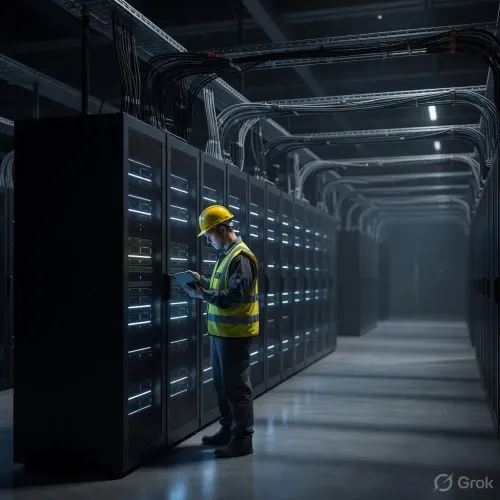
RedNote, the Shanghai-based Chinese lifestyle social media platform also known domestically as Xiaohongshu, is planning a 600-megawatt data centre facility in Inner Mongolia autonomous region with a budget of approximately 15 billion yuan (US$2.2 billion), excluding semiconductor costs, according to a source familiar with the matter. The move positions the platform as a significant player in China's accelerating artificial intelligence infrastructure buildout.
The project details
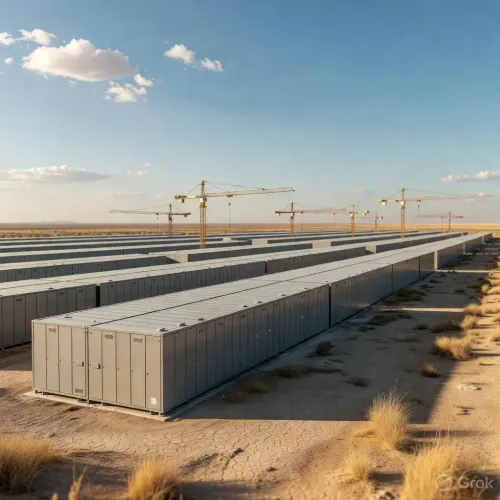
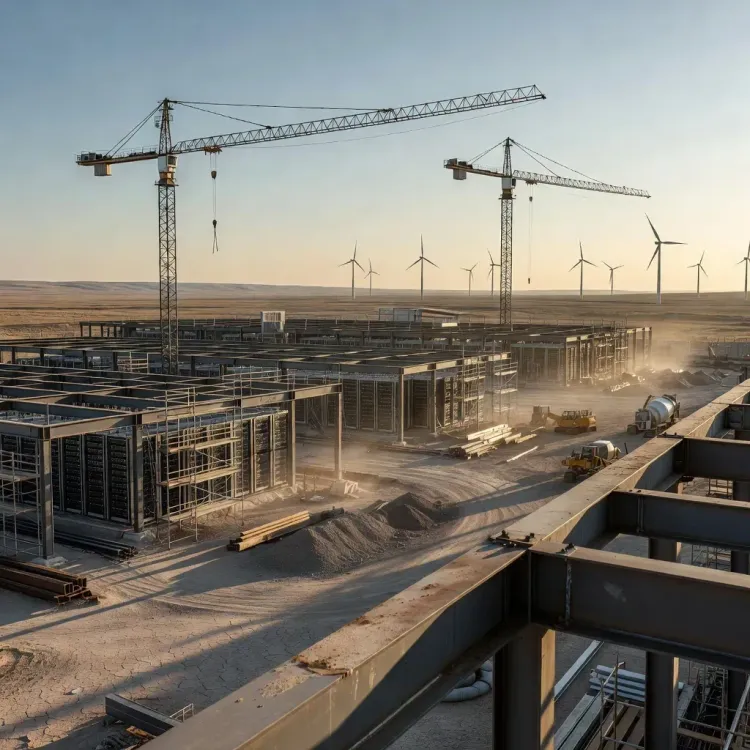
According to an individual who requested anonymity due to the private nature of the information, the proposed facility would be located either in Ulanqab proper or west of the city — a region already recognised for its wind and renewable energy projects. The source added that RedNote had been in talks with VNET, one of China's largest data centre operators, regarding the buildout, with a targeted delivery in the first quarter of 2027. RedNote and VNET did not immediately respond to requests for comment.
Why it matters
The planned investment reflects the broader surge in computing infrastructure spending across China's technology sector, driven largely by the rapid commercialisation of AI models and services. Social media platforms, traditionally consumers rather than builders of large-scale compute, are increasingly moving to secure proprietary infrastructure as AI workloads intensify. Inner Mongolia's combination of low-cost renewable energy and available land makes it a preferred destination for hyperscale data centre projects.
The policy backdrop
China's National Development and Reform Commission (NDRC), the country's top economic planning body, expects total investment in the national computing network to reach 4 trillion yuan over the next five years under the 15th five-year plan, according to Jiang Yi, an NDRC spokesperson, speaking at a press briefing on Friday, 31 July 2026. Jiang noted that investment would come predominantly from enterprises, and that the agency would strengthen guidance and support to foster a more favourable environment for private investors in the sector.
The competitive backdrop
The infrastructure race in China has intensified since the emergence of homegrown AI models, with major technology companies and internet platforms committing substantial capital to data centre expansion. RedNote's reported move follows similar large-scale infrastructure commitments by peers across the industry. The platform's push into proprietary compute signals that AI capabilities are becoming a core competitive differentiator even for consumer-facing social media services.
What's next
With a targeted delivery of Q1 2027 and talks reportedly underway with VNET, the pace of the project will depend on site finalisation between Ulanqab proper and locations west of the city, as well as regulatory approvals. As the NDRC moves to formalise private investment frameworks under the 15th five-year plan, further announcements from consumer internet platforms entering the infrastructure space are likely in the months ahead.
Point of View
Mirroring a pattern seen earlier among US hyperscalers. What mainstream coverage tends to underplay is the geopolitical dimension — by anchoring capacity in Inner Mongolia on renewable energy, these projects simultaneously advance China's carbon neutrality narrative and reduce dependence on foreign-controlled cloud infrastructure. The NDRC's 4 trillion yuan compute investment target signals that Beijing is treating AI infrastructure as a strategic national asset, not merely a commercial opportunity. Investors should watch whether VNET's involvement translates into a formal contract announcement, which would validate both the project's timeline and the operator's growing role as a conduit for private-sector AI capex.
NationPress
15 Sept 2026
Frequently Asked Questions
What is RedNote's data centre plan in Inner Mongolia?
RedNote , also known as Xiaohongshu , is reportedly planning a 600-megawatt data centre in Inner Mongolia with a budget of around 15 billion yuan (US$2.2 billion) , excluding semiconductor costs. The facility is expected to be located in or near Ulanqab , a city known for renewable energy resources.
Who is RedNote partnering with for the data centre project?
RedNote has reportedly been in talks with VNET , one of China 's largest data centre operators, on the Ulanqab facility. Neither RedNote nor VNET responded to requests for comment as of 31 July 2026 .
When is RedNote's Inner Mongolia data centre expected to be completed?
According to a source familiar with the matter, RedNote is targeting delivery of the data centre in the first quarter of 2027 . The timeline is subject to site finalisation and regulatory approvals.
Why is China investing so heavily in AI data centres?
China 's NDRC expects 4 trillion yuan in national computing network investment over the next five years under the 15th five-year plan , driven by the rapid growth of AI applications. The government is actively encouraging private enterprise participation and pledging policy support to attract investment into computing infrastructure.
Why is Inner Mongolia a popular location for Chinese data centres?
Inner Mongolia , and Ulanqab in particular, is a preferred destination for large-scale data centres due to its abundant wind and renewable energy resources, which help lower operating costs. The region's cooler climate and available land further reduce the infrastructure costs associated with hyperscale facilities.