Chinese robot helps SMA children stand for the first time
Synopsis
A sub-1kg robotic knee brace that resists rather than assists movement helped six Chinese children with spinal muscular atrophy stand independently for the first time — a result achieved in just weeks using video-game-driven therapy, signalling a low-cost complement to expensive drug treatments.
Key Takeaways
Six children aged six to ten with spinal muscular atrophy (SMA) stood independently for the first time after robotic knee therapy in China .
The robotic device weighs less than 1 kilogram (approximately 2 lbs) and works by resisting movement rather than assisting it, forcing neuromuscular engagement.
Therapy was delivered through a video game interface , improving engagement over the multi-week programme.
Institutions involved include Beihang University and Peking University Third Hospital , with links to Massachusetts Institute of Technology .
Researcher Feng Yanggang was associated with the project, according to reports.
The approach could offer a low-cost rehabilitation option to complement existing — and often expensive — SMA drug therapies.
A lightweight robotic knee device developed in China has enabled six children with spinal muscular atrophy (SMA) to stand up from a chair independently for the first time, following just a few weeks of video-game-based therapy. The breakthrough, involving patients aged six to ten, offers a potential new rehabilitation pathway for one of the world's most debilitating genetic nerve disorders.
What is SMA and why it is so hard to treat
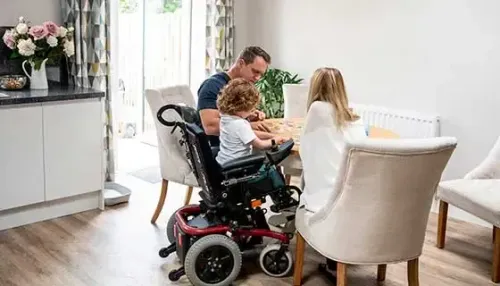
Spinal muscular atrophy is a genetic disorder in which the nerves connecting the brain to the muscles progressively deteriorate, making voluntary muscle contraction difficult or impossible. Depending on severity, the condition can confine patients to a wheelchair, leave them bedridden, or impair basic functions such as eating and breathing — sometimes with fatal consequences. Because the muscles go largely unused, they atrophy further over time, compounding the disability.
How the robot works
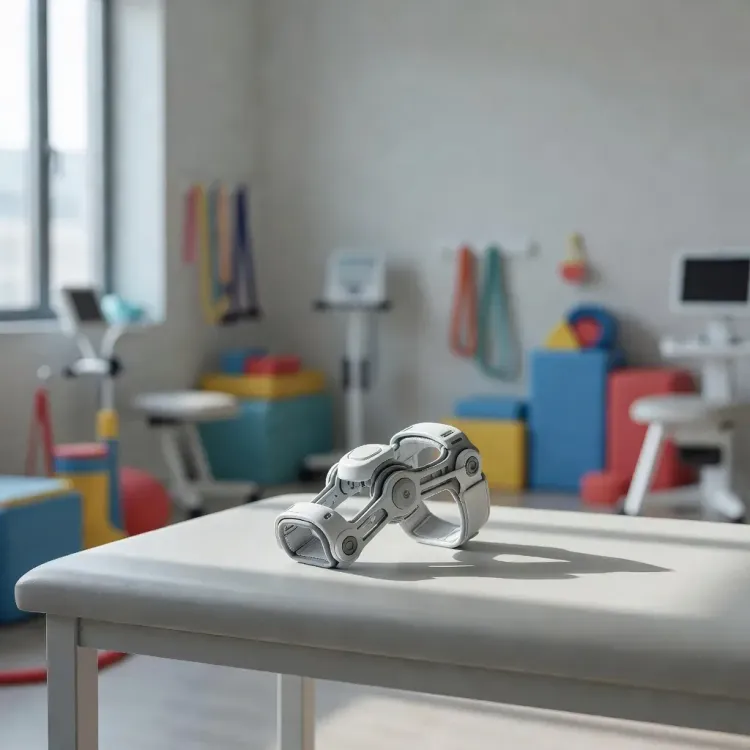
The device, which weighs less than 1 kilogram (approximately 2 lbs), is strapped to the patient's knees during therapy sessions. Crucially, the robot does not assist movement — it resists it. When a child attempts to kick, the robot applies counter-resistance, forcing the muscles and nerves to engage more intensively and work in coordination. This resistance-based mechanism stimulates muscle growth and rebuilds neuromuscular strength that SMA progressively erodes.
The study and its results
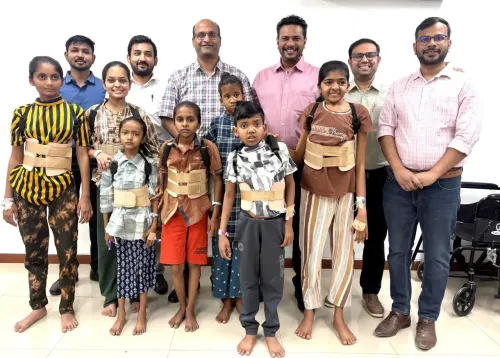
The six child volunteers, all between the ages of six and ten, participated in a structured study that paired the robotic knee brace with a video game interface, making the rehabilitation sessions interactive and engaging. After only a few weeks of this combined therapy, all six children demonstrated the ability to rise from a seated position independently — a milestone many had never previously achieved. The research involved institutions including Beihang University, Peking University Third Hospital, and drew on expertise connected to Massachusetts Institute of Technology, according to reports. Researcher Feng Yanggang was among those associated with the project.
Why it matters
SMA affects children worldwide, and current pharmacological treatments — while advancing rapidly — remain expensive and inaccessible in many regions. A low-cost, non-invasive robotic rehabilitation tool could complement drug therapies or serve populations where those treatments are unavailable. The video-game integration also addresses a key challenge in paediatric rehabilitation: sustaining patient engagement over weeks of repetitive exercise.
What's next
The findings point toward broader clinical trials and potential refinement of the device for different SMA severity levels and age groups. As robotic rehabilitation technology matures, the intersection of consumer-grade hardware and neuromuscular therapy is likely to attract growing interest from both medical institutions and medtech investors globally. Researchers and clinicians will be watching closely to see whether the results hold across larger and more diverse patient cohorts.
Point of View
Which has long focused on compensating for lost function rather than rebuilding it. At under 1 kilogram, the device sits in a cost bracket that could scale far beyond the hospital ward, especially in emerging markets where gene therapy and antisense oligonucleotide treatments for SMA remain financially out of reach. What mainstream coverage tends to underplay is the video-game layer: paediatric adherence to repetitive physiotherapy is a chronic failure point, and gamification directly addresses that without adding clinical complexity. The involvement of institutions spanning Beijing and MIT also reflects a pattern of cross-border neurotechnology collaboration that persists even as broader US-China research ties face political headwinds.
NationPress
21 Oct 2026
Frequently Asked Questions
What is the Chinese robot that helps children with SMA stand?
It is a lightweight robotic knee brace weighing less than 1 kilogram that resists a child's leg movements during therapy, forcing muscles and nerves to work harder and rebuild strength. The device is paired with a video game to keep young patients engaged throughout the rehabilitation programme.
What is spinal muscular atrophy and why is it so serious?
Spinal muscular atrophy (SMA) is a genetic disorder in which nerves connecting the brain to the muscles progressively break down, making muscle contraction increasingly difficult. It can confine patients to wheelchairs, impair breathing and eating, and in severe cases can be fatal.
How many children were in the SMA robot study and what were the results?
Six children aged between six and ten participated in the study. After just a few weeks of therapy using the robotic knee device combined with a video game, all six were able to stand up from a chair independently — a first for each of them.
Which institutions were involved in the SMA robotic therapy research?
The research involved Beihang University and Peking University Third Hospital in Beijing , with reported links to Massachusetts Institute of Technology (MIT) . Researcher Feng Yanggang was among those associated with the project.
Could this robotic device replace drug treatments for SMA?
The device is not a replacement for pharmacological SMA treatments but could serve as a low-cost complement, particularly in regions where expensive gene therapies or other drugs are inaccessible. Larger clinical trials will be needed to confirm the results seen in this initial study.