Indian Rupee Plummets to Record Low of 92.94 Against US Dollar

Synopsis
The Indian rupee has sunk to a historic low of 92.94 against the US dollar, driven by high oil prices amid the West Asia crisis. With significant foreign institutional selling in the stock market, the currency faces mounting pressure.
Key Takeaways
Indian rupee hits a historic low of 92.94 against the US dollar.
Foreign institutional investors sold Rs 74,000 crore in the last 12 sessions.
High oil prices and geopolitical tensions impact the currency.
The US is considering emergency measures to stabilize energy prices.
The economic outlook remains challenging for the rupee.
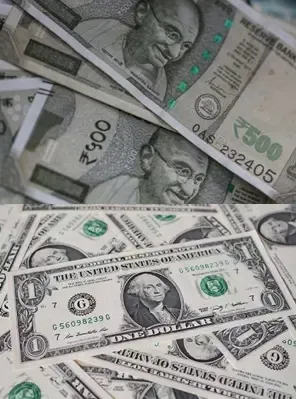
New Delhi, March 20 (NationPress) The Indian rupee has reached an unprecedented low against the US dollar on Thursday, falling by 30 paise to 92.94, driven by soaring oil prices amidst the ongoing crisis in West Asia.
Furthermore, foreign institutional investors (FIIs) have offloaded nearly Rs 74,000 crore over the past twelve sessions in the Indian stock market.
Iran has issued a stern warning, stating it would launch more intense retaliatory actions if the US and Israel target its energy infrastructure again. On Wednesday, Israel attacked Iran's South Pars offshore natural gas field in the Gulf, a site it shares with Qatar.
Following Iranian strikes, Qatar reported significant fires and severe damage at its liquefied natural gas facilities.
Earlier in the week, the rupee had dipped to another low of 92.63 against the US dollar, spurred by a strengthening dollar and persistent outflows of foreign funds. At the interbank forex market, the rupee began trading at 92.42 and fluctuated minimally before falling to its historic low during the trading session.
Despite an atmosphere of robust risk appetite and declining crude prices, the currency encountered heightened dollar demand from importers. The rupee has depreciated by over 1 percent amid the ongoing tensions in West Asia.
Analysts indicate that the economic backdrop remains challenging, with crude prices likely to remain high, thus putting additional pressure on the rupee.
Meanwhile, the United States is contemplating a series of emergency energy strategies, which include releasing more crude from its strategic reserves and relaxing restrictions on Iranian oil, as the White House seeks to control rising prices following new disruptions in global supply.
US Treasury Secretary Scott Bessent revealed that the administration had devised contingency plans in anticipation of potential bottlenecks in global oil flows, especially around crucial maritime routes.
This initiative comes as the White House faces mounting pressure to address rising oil prices in light of attacks on energy infrastructure and disruptions to shipping channels.
Point of View
It's crucial to highlight the economic implications of the rupee's decline, which not only affects consumer prices but also reflects broader geopolitical uncertainties. A comprehensive understanding of these factors is essential for stakeholders and citizens alike.
NationPress
29 Sept 2026
Frequently Asked Questions
What caused the Indian rupee to fall to 92.94?
The significant depreciation of the Indian rupee to 92.94 against the US dollar is attributed to high oil prices and substantial foreign institutional selling in the stock market amid ongoing tensions in West Asia.
How does the rupee's decline affect the economy?
A weaker rupee can lead to higher import costs, especially for oil, which may result in inflationary pressures on the economy and affect consumer prices.
What measures is the US considering to control rising oil prices?
The US is contemplating releasing more crude from its strategic reserves and easing restrictions on Iranian oil in response to the rising oil prices stemming from global supply disruptions.
What impact do foreign institutional investors have on the rupee?
Foreign institutional investors play a crucial role in the stock market; their significant selling can lead to currency depreciation, as seen with the rupee's recent decline.
Is the rupee expected to recover soon?
Analysts indicate that the macroeconomic conditions remain unfavorable, and unless oil prices stabilize, the rupee may continue to face pressure.