South Korea's AI-led recovery yet to lift household purchasing power
Synopsis
South Korea's export machine just logged a record $120.9 billion in a single month — yet the KDI says ordinary households are barely feeling it. Subdued wages and stubbornly high oil prices are blocking the trickle-down, exposing a widening gap between headline growth and lived economic reality.
Key Takeaways
The Korea Development Institute (KDI) said on 12 October 2026 that South Korea's economic recovery has yet to broadly benefit households.
Household purchasing power is constrained by subdued wage growth and elevated oil prices , according to the KDI.
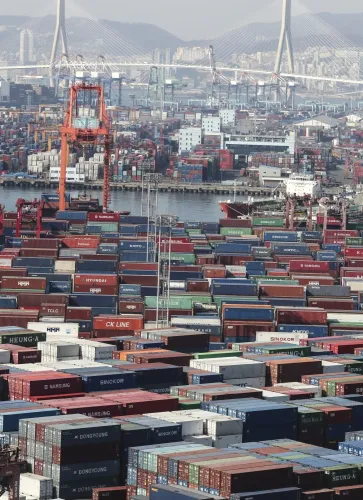
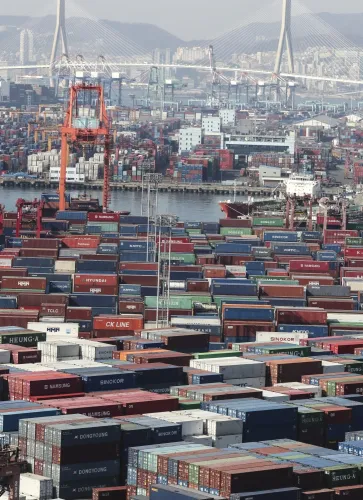
South Korea's exports surged 83.5 percent year-on-year in September to a record $120.9 billion , driven by AI-related demand.
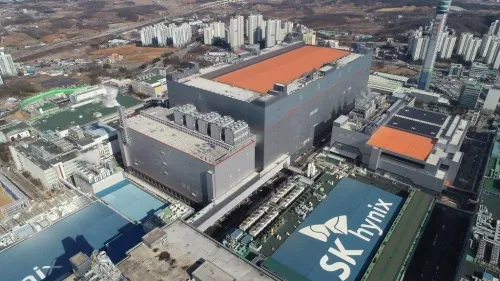
Semiconductor exports exceeded $60 billion for the first time ever in a single month.
Bank of Korea Governor Shin Hyun-song will attend the G20 Finance Ministers meeting in Bangkok, Thailand this week.
He will also participate in IMF-WBG meetings focused on the global economic outlook and financial stability.
South Korea's economic recovery, powered by a surge in artificial intelligence (AI)-related industries, has yet to translate into broader gains for households, the Korea Development Institute (KDI) warned on Monday, 12 October 2026. The state-run think tank said purchasing power remains constrained, even as the country's export engine hits record highs.
Why Households Are Being Left Behind
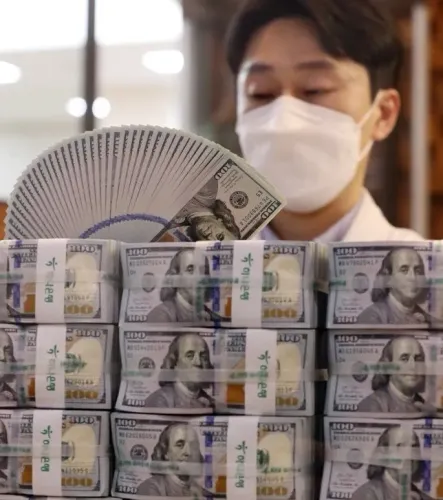
'The recovery in household purchasing power remains constrained due to subdued underlying wage growth and elevated supply-side inflationary pressures, including those from persistently high oil prices,' the KDI said in its monthly economic assessment. The think tank noted that despite the economy's AI-driven momentum, its benefits have not yet reached households broadly.
Export Engine Firing on All Cylinders
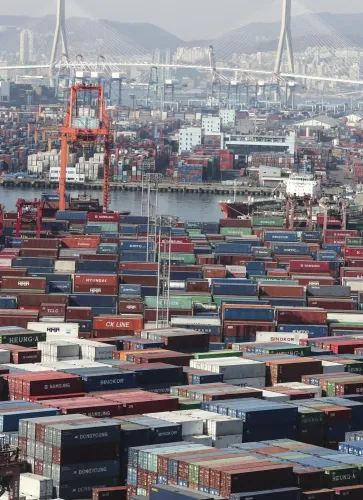
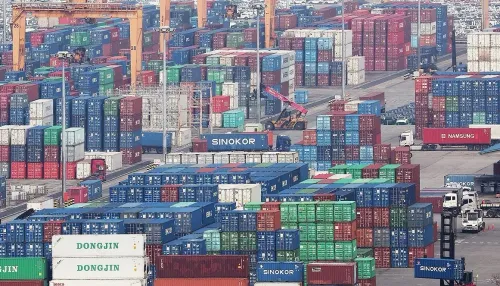
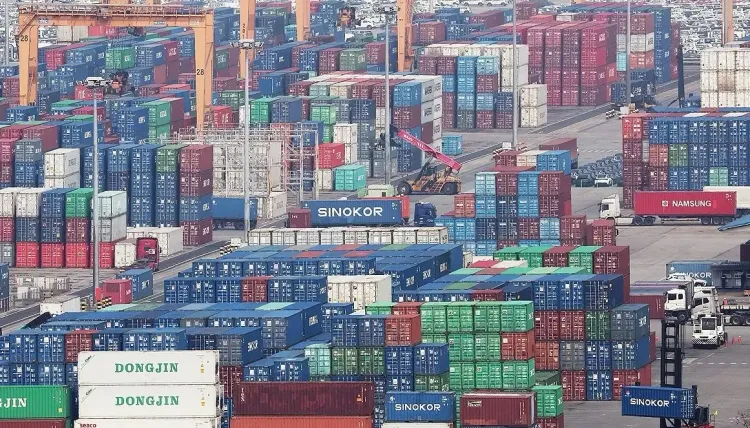
The headline numbers on trade remain striking. In September, South Korea's exports soared 83.5 percent year-on-year to a record $120.9 billion, driven by a historic surge in semiconductor shipments. Chip exports crossed the $60 billion mark for the first time ever in a single month, catapulting the overall export tally. 'Semiconductor and computer exports continue to grow rapidly, while exports of other products linked to AI infrastructure, including steel products and nonferrous metals, also remain solid,' the KDI added. Equipment investment and manufacturing output also continued to expand at a solid pace, according to the assessment.
The Divergence: Growth Without Broad Gains
The KDI's assessment highlights a structural imbalance that analysts have flagged across several export-led Asian economies: high-tech industrial recovery does not automatically generate wage growth or ease the cost-of-living pressures faced by ordinary households. Persistently elevated oil prices are compounding the squeeze, acting as a supply-side tax on consumption even as production-side metrics look healthy. This is the central tension in South Korea's current economic narrative — a headline recovery masking a more uneven distribution of gains.
South Korea at the G20 Table
Against this backdrop, the Bank of Korea (BOK) confirmed that Governor Shin Hyun-song will travel to Bangkok this week to attend the Group of 20 (G20) Finance Ministers and Central Bank Governors Meeting in Thailand. Participants are expected to discuss global economic conditions, growth trajectories, and global imbalances. Governor Shin will also attend the International Monetary Fund-World Bank Group (IMF-WBG) meetings, where deliberations will focus on the global economic outlook and financial stability — issues that are acutely relevant given the uneven recovery South Korea itself is experiencing.
What to Watch Next
Economists will watch whether upcoming domestic wage data and consumer price indices begin to reflect any spillover from the export boom. The KDI's use of the word 'constrained' rather than 'absent' suggests some cautious optimism that the recovery could eventually broaden — but the timing remains uncertain. Policy signals from the BOK's Bangkok engagements may also provide clues on whether monetary easing is on the table to support household demand.
Point of View
Globally integrated tech sector, the wage and consumption spillovers are far slower and weaker than the headline figures suggest. South Korea is not unique here — it mirrors a pattern seen in Taiwan and parts of Germany, where export titans coexist with stagnant domestic demand. The real policy test is whether Seoul can engineer domestic wage growth and consumer price relief fast enough to prevent the recovery gap from becoming a political liability.
NationPress
12 Oct 2026
Frequently Asked Questions
Why has South Korea's economic recovery not benefited households?
According to the Korea Development Institute (KDI), household purchasing power remains constrained by subdued wage growth and persistently high oil prices that push up the cost of living. While the economy is growing, the gains are concentrated in the export and AI-related industrial sectors rather than flowing through to ordinary workers and consumers.
How strong were South Korea's exports in September 2026?
South Korea's exports soared 83.5 percent year-on-year in September to a record $120.9 billion, driven by a historic surge in semiconductor shipments. Chip exports alone exceeded $60 billion for the first time in a single month, with AI infrastructure-linked products such as steel and nonferrous metals also posting solid growth.
What is the KDI and why does its assessment matter?
The Korea Development Institute (KDI) is South Korea's premier state-run economic think tank, publishing monthly assessments that inform government and central bank policy. Its characterisation of the recovery as 'constrained' for households carries significant weight, as it signals that policymakers may need to address the distributional gap in growth.
What will Bank of Korea Governor Shin Hyun-song discuss at the G20 meeting?
BOK Governor Shin Hyun-song will attend the G20 Finance Ministers and Central Bank Governors Meeting in Bangkok, Thailand, where discussions will cover global economic conditions, growth, and global imbalances. He will also join IMF-World Bank Group meetings focused on the global economic outlook and financial stability.
What should investors and analysts watch in South Korea's economy next?
Key indicators to track include domestic wage data and consumer price index prints, which will show whether the export boom is beginning to feed through to household incomes. Policy signals from the Bank of Korea's G20 and IMF-WBG engagements may also indicate whether monetary easing is being considered to bolster household demand.