Sam Altman Says AI Feature Would Have Been a Startup Before
Synopsis
OpenAI CEO Sam Altman posted on X on 14 July 2026 that a demonstrated AI capability 'would have been a whole startup not too long ago,' highlighting how generative AI is rapidly collapsing entire business categories into single model features — a shift with deep implications for founders and investors worldwide.
Key Takeaways
Sam Altman , CEO of OpenAI , posted on 14 July 2026 that an AI feature shown in a video 'would have been a whole startup not too long ago.' The remark reflects a pattern accelerating since November 2022 , when ChatGPT's launch began absorbing tasks that previously underpinned dedicated startups.
Successive model releases from frontier AI labs have steadily eliminated narrow-AI startup categories that flourished during the 2010s .
India's AI startup ecosystem, which saw heavy early-stage investment in vertical AI tools, is directly exposed to this capability-absorption dynamic.
Regulatory debates on large AI platforms crowding out startups are active in the EU and emerging in India and the United States .
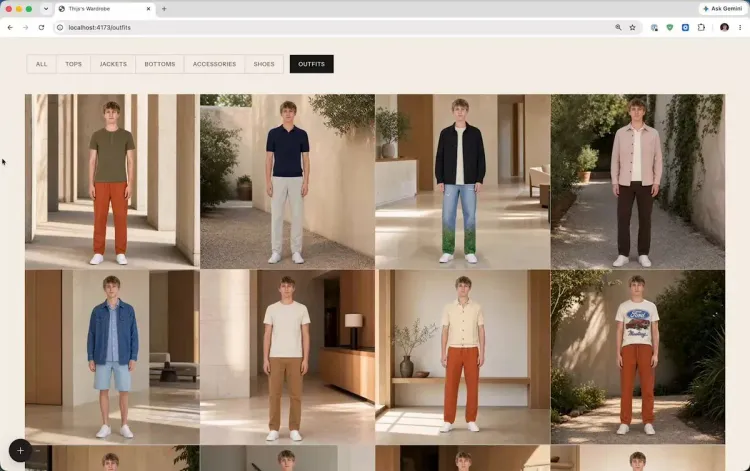
OpenAI chief executive Sam Altman on Tuesday, 14 July 2026 posted on X, remarking that a capability now available through AI 'would have been a whole startup not too long ago' — a terse but pointed observation on how generative AI is collapsing entire business categories into single features.
Context
Altman's post accompanied a video, the precise content of which was not disclosed in available metadata, but his comment signals that the capability demonstrated is one that would previously have required a dedicated founding team, venture funding, and months of engineering work. The remark reflects a broader pattern that has accelerated since the public release of advanced language models beginning in late 2022.
The observation is consistent with Altman's long-standing public position that frontier AI models are compressing the economics of software creation at a pace that outstrips conventional startup cycles. What once justified a company now ships as a product update.
Policy Backdrop
The trajectory Altman is gesturing at began in earnest with the November 2022 public launch of ChatGPT, which showed that a single model could replicate tasks previously distributed across specialised engineering teams and venture-backed companies. Since then, successive model releases from OpenAI and rival frontier labs have steadily absorbed use cases that formed the basis of the 2010s startup boom — from document summarisation and code generation to image editing and customer support automation.
Venture capital data from that period showed hundreds of startups built around narrow AI-assisted tasks, many of which now exist as native features inside large foundation models. The compression has prompted ongoing debate among investors and founders about where durable startup value can still be built in an era of rapidly improving general-purpose AI.
Stakeholders and Impact
AI entrepreneurs and early-stage investors are the most directly affected audience for Altman's remark. For founders pitching products that sit close to what frontier models can already do, the comment sharpens a risk that many in the startup ecosystem have been grappling with: the so-called 'feature, not a company' problem, now accelerated by AI capability diffusion.
For India's fast-growing AI startup ecosystem — which saw significant early-stage investment in vertical AI tools through 2024 and 2025 — the dynamic is particularly pointed. Many domestic startups have built on top of foundation model APIs, making them vulnerable to the same capability absorption Altman's post alludes to. The remark will likely reopen conversations among Indian founders and funds about moats, proprietary data, and distribution advantages.
What's Next
The pattern Altman describes is expected to intensify with each successive model release from major AI labs. Regulatory scrutiny on the market-distorting effects of large AI platforms absorbing startup-level capabilities is already a live debate in the European Union and is beginning to surface in policy discussions in India and the United States. Investors and founders will be watching OpenAI's forthcoming product announcements closely for further signals of which categories are next to be folded into foundation model defaults.
Point of View
It is less an observation than a warning. For India's burgeoning AI startup cohort, which has largely built on foundation model APIs rather than proprietary research, the remark sharpens the urgency of finding defensible differentiation beyond the model layer. Regulators, too, will find fresh ammunition here — the absorption of startup-grade capabilities into platform products is precisely the dynamic that antitrust frameworks are struggling to address in the AI era.
NationPress
14 Jul 2026
Frequently Asked Questions
What did Sam Altman post on X on 14 July 2026?
Sam Altman posted that a capability he demonstrated in a video 'would have been a whole startup not too long ago,' pointing to how AI is collapsing business categories that once required dedicated companies.
Why is Sam Altman's startup comment significant?
It signals that generative AI models are now absorbing use cases that previously justified venture-backed startups, accelerating a trend that began with ChatGPT's launch in November 2022.
How does this affect AI startups in India?
Indian AI startups that built products on top of foundation model APIs are especially exposed, as the capabilities they offer risk being absorbed directly into the underlying models as native features.
Which startup categories has AI already replaced?
Since 2022, AI models have absorbed categories including document summarisation, code generation, image editing, and customer support automation — all of which supported dedicated startups in the 2010s.
What should founders and investors watch next?
Upcoming product announcements from OpenAI and other frontier labs will signal which startup categories are next to be folded into default model capabilities, making those releases critical signals for investment decisions.