Could Tongue Scans Be Key to Detecting Motor Neurone Disease?
Synopsis
A groundbreaking study reveals that MRI scans of the tongue may provide critical insights for the early detection and monitoring of Motor Neurone Disease (MND). This innovative approach could revolutionize patient care and interventions, offering hope for those affected by this debilitating condition.
Key Takeaways
MRI scans of the tongue may provide early detection of MND.
Decreased tongue muscle size is common in MND patients.
The research utilized AI and advanced imaging techniques.
Identifying muscle deterioration can aid in speech adaptations.
Earlier intervention could improve patient outcomes.
New Delhi, Oct 28 (NationPress) Scanning MRI of an individual’s tongue might assist in the early identification and continuous monitoring of Motor Neurone Disease (MND), a neurodegenerative disorder, according to recent research.
Researchers from the University of Queensland in Australia discovered that individuals diagnosed with MND, also known as ALS, who experience challenges with speaking or swallowing often exhibit reduced tongue muscle size.
This finding could act as an initial warning sign of neurodegenerative ailments, stated Dr. Thomas Shaw from the university’s School of Electrical Engineering and Computer Science.
“Our tongues comprise eight interconnected muscles, each serving a unique function, enabling us to eat, swallow, and communicate. However, for those afflicted by motor neuron disease, these tongue muscles—similar to various other muscles in the body—gradually weaken and unfortunately, deteriorate,” Dr. Shaw explained.
“The ability to identify and monitor this symptom early would benefit both patients and healthcare providers, particularly with interventions such as early entry into clinical trials,” he added.
Traditionally, investigating tongue muscles within the mouth of someone living with MND has been challenging and invasive; however, the research team analyzed over 200 historical MRI scans, including some from individuals with MND, for their study.
“By employing a combination of AI-driven and advanced imaging methodologies, we achieved accurate measurements of tongue muscle volume and morphology,” Dr. Shaw noted.
“Comparative cross-sectional analysis revealed significant discrepancies between the scans of those with MND and their healthy counterparts,” he continued.
The study, published in Computers in Biology and Medicine, corroborated earlier findings indicating that individuals whose MND symptoms manifest in the mouth, tongue, throat, and neck muscles tend to have a reduced survival duration compared to those whose symptoms begin in their limbs.
Speech pathologist Dr. Brooke-Mai Whelan from UQ’s School of Health and Rehabilitation Sciences mentioned that the tongue is a complex organ performing thousands of precisely coordinated actions daily, which only become apparent when they start to falter.
“Identifying which specific tongue muscles deteriorate in MND will aid us in formulating strategies to adapt, such as altering a person’s speech patterns to utilize unaffected muscle groups,” she stated.
Point of View
I believe that this innovative research sheds light on a promising avenue for early detection of Motor Neurone Disease. Understanding the connection between tongue muscle deterioration and MND can potentially enhance patient outcomes and lead to timely interventions. This study exemplifies the importance of continued research in the field of neurodegenerative diseases.
NationPress
29 Sept 2026
Frequently Asked Questions
What is Motor Neurone Disease?
Motor Neurone Disease (MND) is a neurodegenerative condition that affects the motor neurons, leading to muscle weakness and atrophy.
How does MRI scanning of the tongue help in MND?
MRI scanning can reveal changes in tongue muscle size and function, which may serve as early indicators of MND.
Who conducted the study on tongue scans and MND?
The study was conducted by researchers from the University of Queensland, Australia.
What are the symptoms of MND?
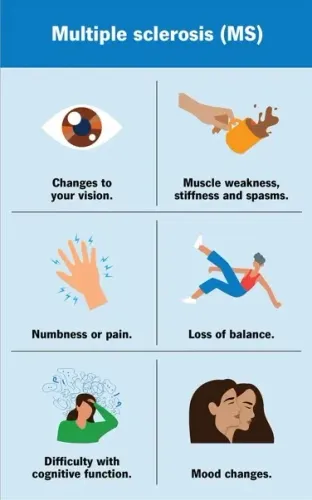
Symptoms of MND include muscle weakness, difficulty speaking or swallowing, and respiratory issues.
How can early detection of MND benefit patients?
Early detection can lead to timely interventions, improved quality of life, and better access to clinical trials.