UN Chief: AI, digital platforms supercharging terrorist capabilities
Synopsis
At the UN's top counter-terrorism forum, Secretary-General Guterres delivered an unusually direct warning: AI and digital platforms have fundamentally upgraded what terrorist groups can do. With Al-Qaida and Da'esh affiliates persisting across South Asia, Africa, and the Middle East, and global instability feeding radicalisation, the UN is pushing member states to match the threat's technological pace — or risk falling dangerously behind.
Key Takeaways
UN Secretary-General António Guterres warned on 29 June that AI , digital platforms, and unmanned weapons are 'supercharging' terrorist recruitment, financing, and attack planning.
Affiliates of Al-Qaida and Da'esh remain active across South Asia , Africa , and the Middle East , according to Guterres.
Global instability — conflicts, inflation, displacement, and economic hardship — is creating conditions 'ideal for terror to thrive,' he said.
Acting Under-Secretary-General Alexandre Zouev stressed that counter-terrorism must involve civil society, women, youth, and academia — not just governments.
Member states are bound by 2024 commitments under the Pact for the Future and Global Digital Compact to use digital tools against emerging threats.
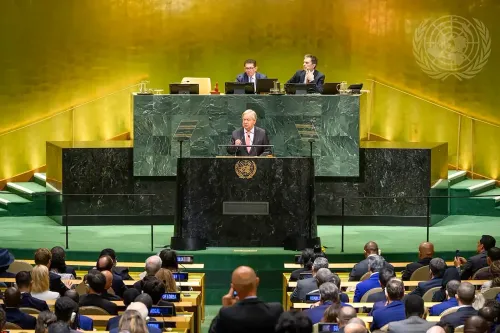
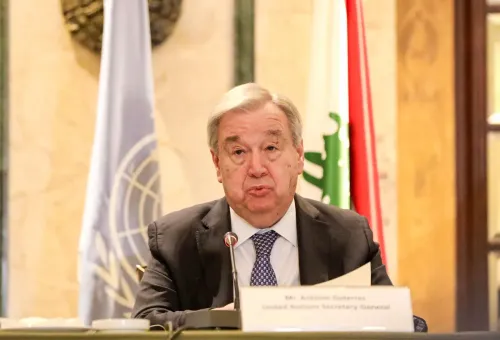
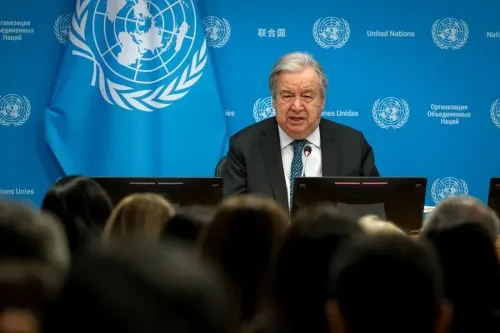
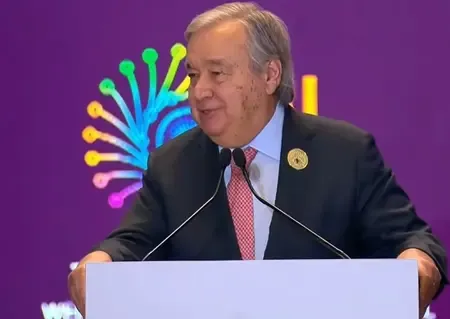
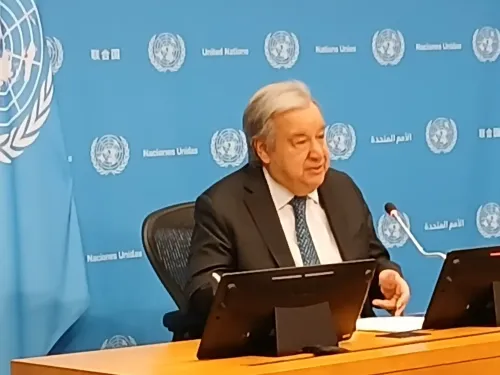
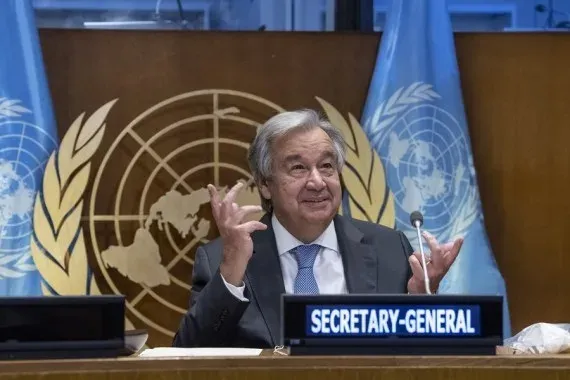
United Nations Secretary-General António Guterres on Monday, 29 June issued a stark warning that emerging technologies — including artificial intelligence, digital platforms, and unmanned weapons systems — are dramatically amplifying the operational capabilities of terrorist organisations worldwide. Speaking at the Fourth United Nations High-Level Conference on Counter-Terrorism, Guterres called for deeper international cooperation to 'close critical gaps' in the global counter-terrorism architecture.
The Growing Tech Threat to Global Security
Guterres said terrorists have grown increasingly adept at weaponising cutting-edge tools to advance their agendas. 'These tools have supercharged their ability to recruit, finance, and plan attacks,' he said. The Secretary-General specifically flagged the role of digital platforms in spreading violent extremist narratives — including those rooted in xenophobia, racism, religious intolerance, and other forms of hatred — describing them as 'deadly domestic threats in many nations.'
At the same time, Guterres acknowledged that technology is not solely a threat vector. He noted that the same digital tools, when deployed responsibly, offer powerful capabilities to detect threats early, disrupt the flow of illicit financing, and map the pathways through which individuals are radicalised.
Regional Hotspots and Persistent Terror Networks
The Secretary-General highlighted that affiliates of Al-Qaida and Da'esh (the Islamic State terror outfit) 'persist' across South Asia, Africa, and the Middle East, continuing to threaten civilian populations and state stability. This assessment underscores the geographic spread of organised terrorism, which has evolved well beyond any single region or ideology.
Instability as a Breeding Ground
Guterres framed the current global environment as acutely conducive to terrorist expansion. 'We meet at a moment of acute instability,' he said, pointing to conflicts triggering energy shocks, inflation, and hunger; rising temperatures; mass displacement; and deepening economic hardship for millions. 'These conditions — of want, of fragility, of mistrust — are ideal circumstances for terror to thrive,' he warned.
Crucially, he was emphatic that prevailing injustices do not legitimise terrorism. 'We must address the conditions and grievances that allow terrorism to take root,' he said, drawing a clear line between tackling root causes and condoning political violence.
What the Conference Heard
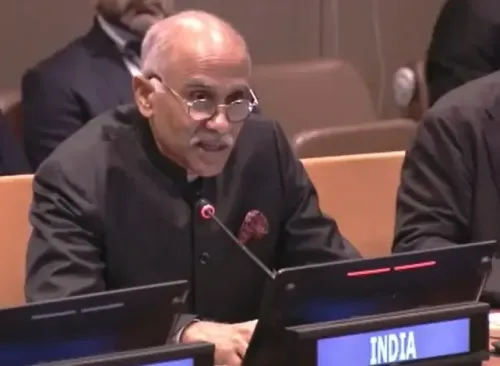
Alexandre Zouev, Acting Under-Secretary-General for Counter Terrorism, reinforced Guterres's assessment, stating that terrorist groups actively leverage 'instability, governance gaps, socioeconomic inequalities, and new and emerging technologies' to expand their reach and mobilise resources. He emphasised that while the 'primary responsibility for preventing and combating terrorism falls on member states,' effective counter-terrorism requires a broad coalition — spanning the United Nations system, regional organisations, civil society, victims of terrorism, women, youth, and academia.
Global Commitments and the Road Ahead
Guterres reminded participating nations of their 2024 commitments under the Pact for the Future and the Global Digital Compact — pledges to harness digital tools for the public good and equip the UN to address emerging challenges. The conference, held as part of Counter-Terrorism Week at the UN, carries the theme: 'A Future Free from Terrorism: Consolidating the Global Commitment to Multi-Stakeholder Approaches to Counter Terrorism, notably through Member States' Leadership and Action.' The deliberations are expected to shape the next phase of coordinated multilateral action against a threat that has demonstrably evolved faster than the institutions designed to contain it.
Point of View
Digital platforms, and unmanned weapons as force multipliers for terrorism, not just vague 'emerging technologies.' Yet the conference's own theme leans heavily on 'multi-stakeholder approaches,' a formulation that has historically produced consensus documents rather than binding action. The gap between the urgency of the threat as described and the deliberative pace of multilateral response is the real story here. With Al-Qaida and Da'esh affiliates still entrenched across three continents and terrorist groups iterating on technology faster than treaty cycles allow, the question is whether the UN's institutional architecture can keep up — or whether it is perpetually fighting the last war.
NationPress
29 Sept 2026
Frequently Asked Questions
What did UN Secretary-General Guterres say about AI and terrorism?
Guterres warned that terrorists have grown adept at exploiting artificial intelligence, digital platforms, and unmanned weapons to recruit, finance, and plan attacks. He said these tools have 'supercharged' terrorist capabilities and called for stronger international cooperation to address the threat.
Which terrorist groups did the UN flag as active threats?
Guterres specifically cited affiliates of Al-Qaida and Da'esh (Islamic State) as persisting threats in South Asia, Africa, and the Middle East. He also highlighted violent extremist narratives rooted in xenophobia, racism, and religious intolerance as domestic threats in many countries.
What is the Fourth UN High-Level Conference on Counter-Terrorism?
It is a high-level multilateral forum held as part of Counter-Terrorism Week at the United Nations, bringing together member states to coordinate global responses to terrorism. The 2025 conference focuses on multi-stakeholder approaches, with member states' leadership at the centre.
How does global instability contribute to terrorism, according to the UN?
Guterres argued that conflicts, energy shocks, inflation, hunger, climate change, mass displacement, and economic hardship collectively create conditions of 'want, fragility, and mistrust' that terrorist groups exploit for recruitment and expansion.
What commitments have UN member states made on digital tools and counter-terrorism?
In 2024, member states adopted the Pact for the Future and the Global Digital Compact, committing to harness digital tools for the public good and enable the UN to address emerging challenges — including the use of technology in counter-terrorism efforts.